Group Therapy
Small, evidence-based groups led by a licensed clinician at our Paramus office, currently including maternal mental health and grief.

A boutique psychotherapy practice in Paramus, matching each person to a licensed clinician who fits what they are actually dealing with. In person on Farview Terrace, or by telehealth anywhere in New Jersey.
No charge for the consultation, and no obligation to book a session afterwards.
Paramus, NJ 07652 | Directions
Mon to Thu 9 AM to 9 PM
Fri 12 to 8 PM
Sat 9 AM to 4 PM | Sun closed
Out of network for most major PPO plans. We check your benefits with you before you book. Rates and insurance
Pick the closest fit and you will land on the page that explains how we work with that person, including which of our clinicians take those clients.
Individual therapy for anxiety, depression, grief, stress, trauma, and work pressure.
Play and art therapy, CBT, school collaboration, and parent coaching.
Mood, school stress, social anxiety, self-esteem, and family conflict.
Communication, trust, intimacy, and decisions about the relationship.
Conflict, transitions, separation, loss, and blended households.
With so many therapists to choose from, finding the right match can be hard. Every client starts with a consultation, and then we match you to the Paramus therapist suited to what you are facing.
Our client care coordinators gather some information and help you decide which of our therapists would be the best fit. Ask about availability, rates and insurance, or anything else. No charge.
Your therapist gathers your history and current concerns, and you set out your goals. It is also your chance to interview your therapist and see whether their approach works for you.
Weekly appointments of about 45 to 50 minutes until you reach your initial goals. Our client care team checks in on your progress and adjusts if something is not working.
If we are not the right practice for what you are facing, we will tell you and point you somewhere that is.
With so many therapists to choose from, finding the right match can be a difficult experience. At Dr Stephen Oreski and Associates we have changed that. Every client starts with a consultation, and then we match you to the therapist suited to what you are facing.
You deserve a compassionate therapist, someone who makes you feel safe, secure, and connected while guiding you through the healing process. We strive to support lasting change that lets you build healthy relationships and an overall sense of well-being.

Our therapists work with each client to develop a treatment plan tailored to their individual needs. Working together allows us to better understand and resolve the challenges in your life.

Individual therapy is the process of inner exploration leading to a deeper understanding of how you relate to yourself, to others, and the world in general.

Child therapy can help you have a healthy relationship with your child. The parent-child relationship helps to lay the foundation for a happy life.

We help teens identify their strengths and learn cognitive behavioral coping skills so that they do not feel stuck and powerless.

Family relationships are complex. Whether parent, child, sibling, or spouse, your family’s relationships are integral to everyday life.

All couples experience some degree of conflict in their lives. Counseling aims to help you learn more about each other and acquire healthy problem-solving skills.
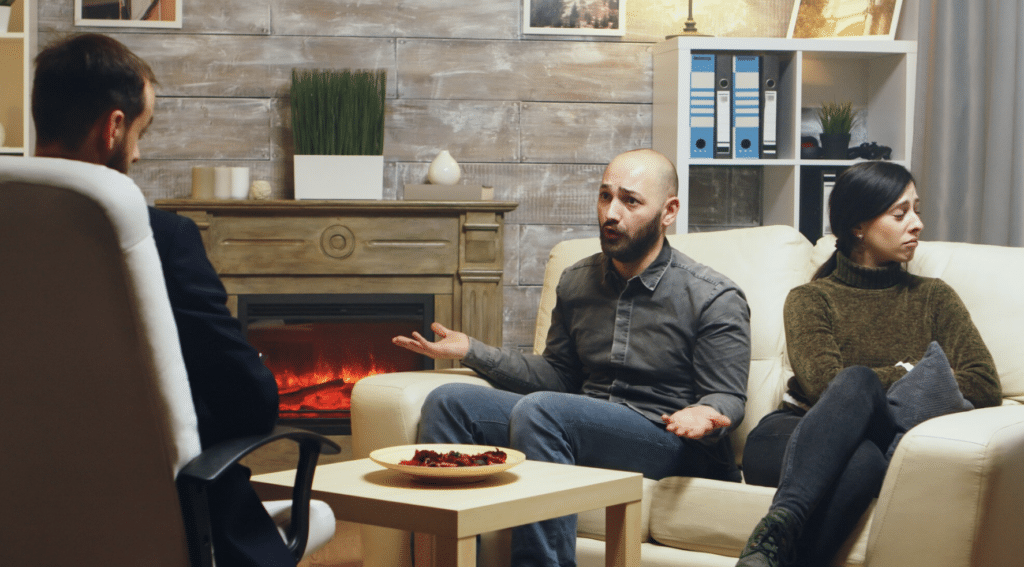
Process your feelings and end a marriage without shame or blame, with tools for managing stress, grieving, and co-parenting through the transition.

Speaking your truth can bring clarity and help you gain insight into how your past experiences impact your life. We create a safe space for you to share your experience.
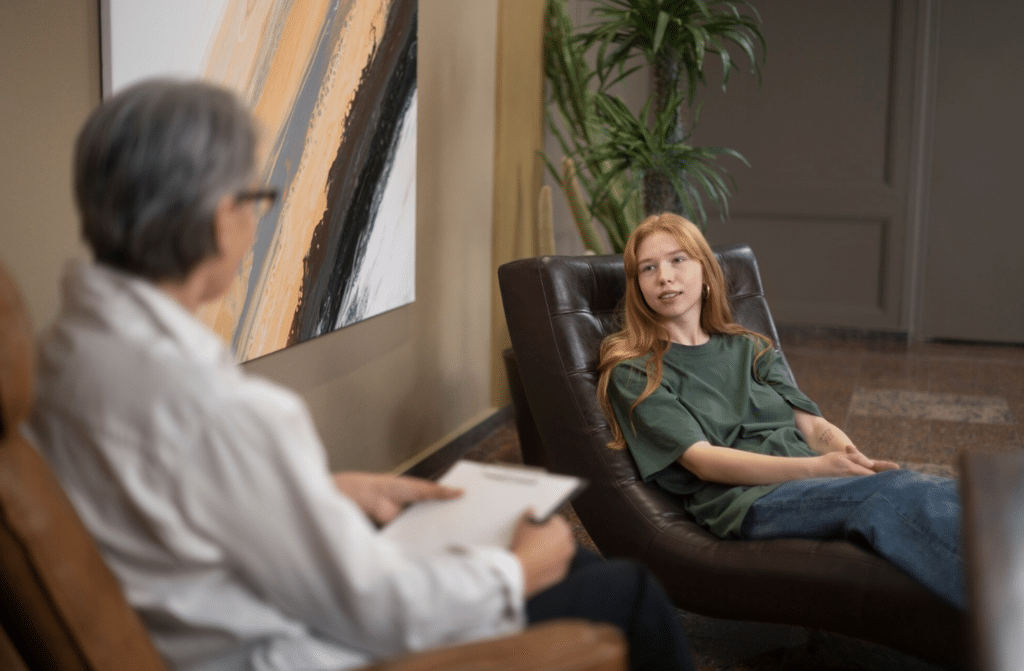
A structured, evidence-based approach that helps the brain re-file distressing memories so they no longer feel immediate, dangerous, or overwhelming.

For some individuals, sexual orientation and identity issues may cause depression, anxiety, and other emotional stressors. We are here to help you.

Small, evidence-based groups led by a licensed clinician at our Paramus office, currently including maternal mental health and grief.

Clients have the option to work through their challenges from the comfort of their own home or office, anywhere in New Jersey.

Develop your confidence and understanding through clinical supervision in a thoughtful, supportive, and professional environment.
Services describe how we work. This is what people are usually searching for: the concern that prompted the search in the first place.
Dr Stephen Oreski and Associates is a boutique practice of licensed therapists in Paramus, NJ, focused on tailoring your treatment to your individual needs. Our goal is to help adults, children, and couples make significant positive changes in their lives.
Psychotherapy is a collaborative process. With your therapist, you will identify thought patterns and behaviors that no longer serve you, and learn new ways of thinking and new skills. Our compassionate therapists will be by your side with guidance and strategies to help you find relief and build confidence.
Our therapists work with individuals, couples, children, teens, and families from Paramus and throughout Bergen County. Each clinician brings their own areas of expertise and therapeutic approach, making it easier to find someone who feels like the right fit for your needs.
Get to know our team and explore the concerns, populations, and approaches each therapist specializes in.

Experienced in trauma-focused therapy, EMDR, sexual trauma, and relationship concerns.
Works with: Adults · Couples · Families
Areas of Focus: Trauma & PTSD · EMDR · Sexual Trauma
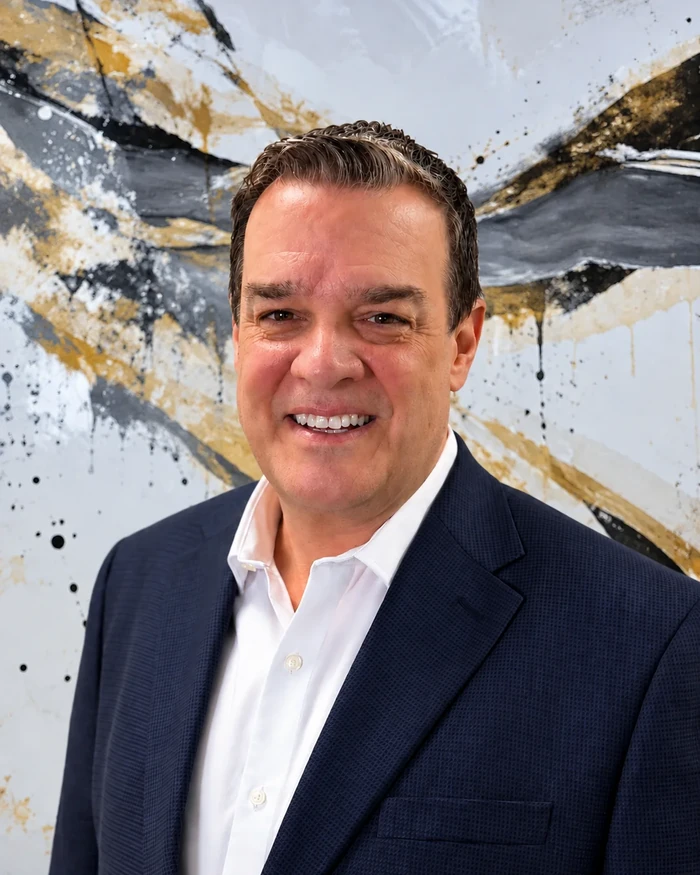
Experienced in supporting adults and teens through life transitions, relationship challenges, stress, anxiety, and men’s issues.
Works with: Adults · Teens
Areas of Focus: Men’s Issues · Life Transitions · Relationships

Experienced in trauma-informed care, sexual violence, anxiety, depression, and trauma-focused therapy.
Works with: Adults · Teens · Children
Areas of Focus: Trauma & PTSD · Sexual Violence · Anxiety
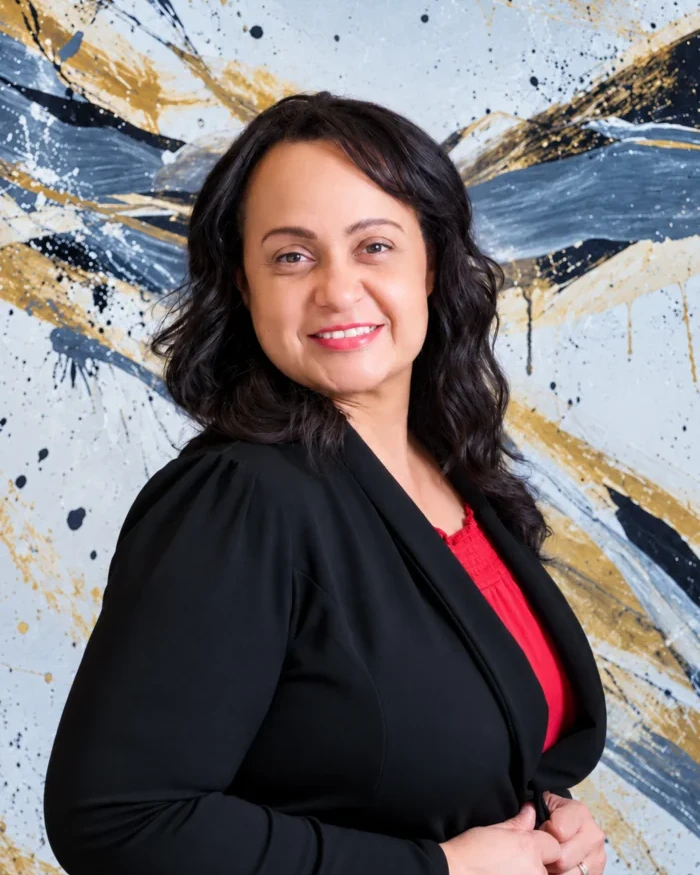
Experienced in relationship and family concerns, trauma, grief, and faith-integrated counseling.
Works with: Adults · Couples · Families
Areas of Focus: Christian Counseling · Trauma & Grief · Relationships
Hear from people who turned to our team for compassionate care, thoughtful guidance, and help finding the right therapist.
“Stephen is by far the best therapist I have ever had the pleasure of working with. He has always demonstrated the utmost professionalism, care, positivity and constructive feedback.”
“The therapists are compassionate, patient, and really take time to understand what you’re going through.”
“Bergen County Therapist provided compassionate, professional support with thoughtful guidance that helped me navigate difficult emotions and develop healthier coping strategies.”
We would rather tell you this before you book than after.
The rate depends on the clinician and the service. You will be quoted your exact rate before you commit. Reduced-fee slots exist but are limited, so ask about sliding-scale availability during your consultation.
Our client care team will check your benefits, explain your likely reimbursement, and can file out-of-network claims for you in some cases. A monthly superbill is provided, and HSA and FSA cards are accepted, to confirm.
If that is your coverage, tell us on the call and we will refer you to a practice that does.
Cash, check, all major credit cards, and Zelle. Card payments carry a 3.95% processing fee. Please give 24 hours notice, or the session fee may apply.
Both groups meet in person at our Paramus office and are led by a licensed clinician. Space is limited.
For pregnant and postpartum parents working through the emotional side of new parenthood. Infants under one year are welcome to attend with you.
Group details and registrationA small group for adults grieving the death of a loved one. Tell your story, honor the person you lost, and build coping strategies alongside others who understand.
Group details and registrationYes. Several of our clinicians are currently accepting new adult, child, teen, couple and family clients, in person and by telehealth. Current availability by clinician is listed on each profile.
Yes. Every client starts with a 15-minute consultation with our client care team, at no charge, and there is no obligation to book a session afterwards.
Consultation calls are usually available within a day or two, and first appointments typically within the same week. Once you are an established client we can often offer same-day openings. Call (551) 579-4441 for current availability.
We are out of network for most major PPO plans, which means many clients are partially reimbursed. We do not accept Medicaid, Medicare, or NJ FamilyCare. Our client care team will review your specific plan with you before you book anything.
Yes. There is private off-street parking at 15 Farview Terrace, a short drive from the Garden State Plaza area, with a ground-floor entrance to Suite 1.
Yes. Telehealth sessions run on a secure, HIPAA-compliant platform and are available to anyone located in New Jersey. Availability varies by clinician and by clinical fit, and some concerns are better addressed in person. We will tell you which applies.
It depends on what you are working on. Focused, goal-directed work such as CBT for a specific anxiety often runs 12 to 20 sessions. Longer-standing or developmental trauma usually takes longer. Your therapist will give you an honest estimate at intake and revisit it as you go.
Yes. We have clinicians who provide therapy in Spanish, and consultations can be booked in Spanish as well. Some of our clinicians also speak Hindi, Gujarati, and Russian. Servicios de psicoterapia en español.
Tell us. Fit is the single strongest predictor of whether therapy works, and no one here takes it personally. We will either adjust the approach or move you to a different clinician in the practice.
One office in Paramus. Clients travel to Farview Terrace from across the county, and telehealth is available anywhere in New Jersey.
Telehealth covers anywhere in New Jersey.
Most clients reach the office in under fifteen minutes. These are the routes our clients actually use.
Take Main Street north to Route 4 west, then follow Route 17 north to the Century Road exit. Farview Terrace sits just east of Route 17, a few minutes off the highway. Coming from the hospital area, Essex Street to Route 17 north is usually quicker at rush hour.
Directions from HackensackCedar Lane west to River Road, then north through River Edge and west on Century Road into Paramus. If you are starting closer to Route 4, take Route 4 west and pick up Route 17 north for the last stretch.
Directions from TeaneckSouth on Route 17 from the Ridgewood Avenue interchange, then exit at Century Road. Avoiding 17 is easy too: Paramus Road south to Century Road east runs past the county park and skips the retail traffic near the malls.
Directions from RidgewoodWest on Madison Avenue to Kinderkamack Road, south through Oradell and River Edge, then west on Century Road. This route stays on local roads the whole way, which is usually faster than cutting down to Route 4.
Directions from DumontTell us what is going on, ask whatever you need to ask, and we will match you with the Paramus therapist best suited to it. No charge and no obligation to book.
Prefer not to call? Send a request and we reply the same business day wherever possible.