Effective Communication in Therapy
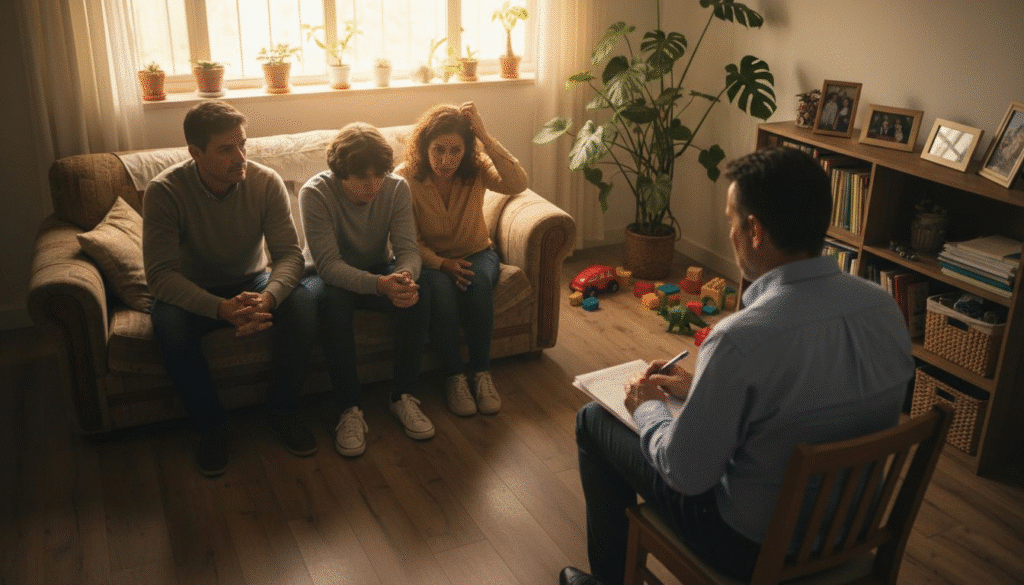
Effective communication is a cornerstone of successful therapy. It allows clients to express their feelings and thoughts openly, fostering a safe environment for healing and growth. Therapists utilize various techniques to enhance communication, including active listening, validation, and open-ended questions, which encourage deeper exploration of issues.
For instance, during sessions, therapists may encourage clients to articulate their emotions by asking them to describe their feelings in detail. This practice not only aids in understanding but also empowers clients to recognize and articulate their emotional states, ultimately leading to more productive therapy outcomes.
Managing Anxiety in Daily Life
Anxiety can significantly impact daily functioning, making it essential to develop effective management strategies. Techniques such as mindfulness, breathing exercises, and cognitive restructuring can help individuals cope with anxiety in various situations, whether at work, school, or home.
For example, practicing mindfulness can ground individuals in the present moment, reducing overwhelming feelings of anxiety. Additionally, cognitive-behavioral strategies can assist in challenging negative thought patterns that contribute to anxiety, enabling individuals to approach daily challenges with greater confidence and resilience.
Exploring Different Therapy Modalities
There are numerous therapy modalities available, each tailored to meet the diverse needs of clients. From Cognitive Behavioral Therapy (CBT) to Dialectical Behavior Therapy (DBT) and psychodynamic approaches, understanding these modalities can help individuals choose the right path for their mental health journey.
For instance, CBT focuses on identifying and changing negative thought patterns, making it effective for conditions such as depression and anxiety. On the other hand, DBT emphasizes emotional regulation and interpersonal effectiveness, which can be particularly beneficial for individuals struggling with intense emotions or relationship issues.
Building Resilience Through Therapy
Resilience is the ability to bounce back from adversity, and therapy can play a crucial role in fostering this trait. Through therapeutic techniques, individuals learn to develop coping strategies, reframe negative experiences, and build a supportive network, all of which contribute to greater resilience.
For example, therapists may guide clients in setting realistic goals and celebrating small achievements, reinforcing their capacity to overcome challenges. Additionally, discussing past successes and strengths can remind clients of their resilience, empowering them to face future difficulties with confidence.