
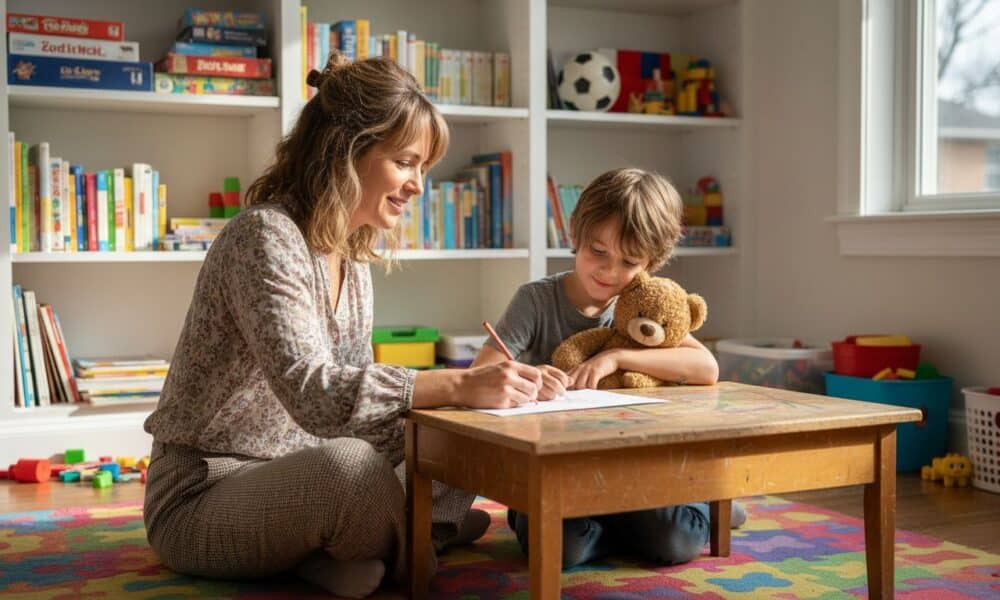
More than one in five American children experience significant emotional or behavioral challenges before age sixteen, yet many families hesitate to seek support. Addressing these struggles early shapes future mental health and relationships. Exploring how child counseling nurtures emotional development reveals the practical benefits that ripple throughout an American child’s life, from stronger family communication to building resilience against life’s toughest obstacles.
Quick Guide: 7 Key Benefits of Child Counseling
- Supports Emotional Development In Children
- Improves Communication Skills With Family
- Boosts Self-Esteem And Confidence
- Provides Tools To Manage Anxiety And Stress
- Helps Resolve Behavioral Issues Early
- Fosters Healthy Peer Relationships
- Builds Resilience For Future Challenges
Quick Summary
| Key Message | Explanation |
|---|---|
| 1. Counseling supports emotional development | Children learn to identify and manage their emotions, fostering resilience and self-awareness through professional guidance. |
| 2. Enhances family communication skills | Child counseling helps children express themselves clearly, improving family relationships and creating a deeper understanding among members. |
| 3. Builds self-esteem and confidence | Through supportive environments, children gain tools to recognize their worth and develop a positive self-image, essential for their growth. |
| 4. Provides anxiety and stress management tools | Counseling teaches children effective coping mechanisms, helping them respond to stress and uncertainty with resilience. |
| 5. Fosters healthy peer relationships | Counseling aids in developing strong social skills and emotional intelligence, enabling children to form meaningful friendships and navigate social dynamics effectively. |
1. Supports Emotional Development in Children
Child counseling serves as a powerful catalyst for emotional growth, helping children build a strong foundation of self understanding and resilience. When children learn to recognize, understand, and manage their emotions early, they develop critical skills that will serve them throughout their lifetime.
Through specialized counseling techniques like the Fun FRIENDS program, children can learn to navigate complex emotional landscapes with greater ease. Research shows these interventions significantly reduce both internalizing and externalizing problem behaviors, providing children with essential emotional regulation tools. Therapists work closely with young clients to help them identify their feelings, express them constructively, and develop healthy coping mechanisms.
Important emotional development skills children gain through counseling include self awareness, empathy, and emotional intelligence. For example, art based reflection techniques and interactive therapeutic approaches can help children practice recognizing different emotional states and understanding how their feelings impact their behaviors. Child therapy and counseling techniques offer structured environments where children can safely explore and understand their inner emotional worlds.
Parents play a crucial role in supporting this emotional development. By seeking professional counseling for their children, they demonstrate that emotional health is valued and that seeking help is a sign of strength. Children learn that it is okay to discuss their feelings and that emotional challenges are normal parts of growing up.
Key emotional skills children develop through counseling include:
- Identifying and naming different emotions
- Understanding the connection between thoughts and feelings
- Learning healthy ways to express emotions
- Developing resilience and problem solving skills
- Building self confidence and self esteem
By investing in child counseling, parents provide their children with invaluable tools for navigating life’s emotional complexities. These early interventions can prevent future mental health challenges and set the stage for lifelong emotional well being.
2. Improves Communication Skills With Family
Child counseling plays a transformative role in strengthening family communication, creating bridges where misunderstandings and emotional barriers once existed. By teaching children how to express themselves effectively, counseling helps families develop deeper connections and mutual understanding.
Research demonstrates innovative approaches to enhancing family communication. Emerging tools like PACEE and ChaCha are helping parents and children engage in more meaningful emotional dialogues. These technologies provide structured methods for children to share personal experiences and feelings, making communication more natural and comfortable.
Effective communication skills children learn through counseling include active listening, emotional articulation, and constructive expression. Therapists guide children in developing language that helps them convey complex emotions without frustration or aggression. This skill is crucial for building healthy relationships not just within the family, but throughout their lives.
Parents can support this communication growth by creating safe spaces for dialogue. Improving communication in relationships requires patience, active listening, and genuine emotional engagement. Child counseling provides strategies that help families break down communication barriers and build trust.
Key communication skills children develop through counseling include:
- Expressing feelings using clear and respectful language
- Understanding nonverbal communication cues
- Recognizing and respecting emotional boundaries
- Asking for help or clarification when needed
- Managing conflicts with empathy and understanding
By investing in child counseling, parents equip their children with lifelong communication tools that foster healthier relationships, emotional intelligence, and personal growth.
3. Boosts Self-Esteem and Confidence
Child counseling serves as a powerful catalyst for building a child’s self esteem and inner confidence. By providing a supportive environment where children can explore their emotions, strengths, and challenges, counseling helps them develop a positive and resilient self concept.
Research demonstrates that adolescents with a strong sense of self are better equipped to navigate life’s complexities. Self-esteem and mental health are deeply interconnected, and early intervention through counseling can create lasting positive impacts on a child’s psychological development.
Positive self image emerges through carefully guided therapeutic techniques that help children recognize their inherent worth. Therapists work to challenge negative self talk, celebrate individual strengths, and teach children how to view themselves with compassion and understanding. This process involves helping children understand that their value is not determined by external achievements but by their intrinsic human dignity.
Children learn critical skills that boost confidence such as:
- Setting and achieving personal goals
- Developing healthy coping mechanisms
- Understanding their emotions and personal boundaries
- Recognizing their unique talents and abilities
- Learning to advocate for themselves respectfully
A nurturing family environment combined with professional counseling significantly reduces the risk of anxiety and depression while promoting a robust sense of self worth. Parents play a crucial role by supporting their child’s therapeutic journey and reinforcing the positive messages learned in counseling sessions.
By investing in child counseling, parents provide their children with a powerful toolkit for building lasting confidence. These early experiences create a foundation of self acceptance that will support their emotional and psychological growth throughout their lives.
4. Provides Tools to Manage Anxiety and Stress
Child counseling offers a robust toolkit for helping children navigate the complex world of emotions, particularly when dealing with anxiety and stress. Understanding and managing these intense feelings early can prevent long term psychological challenges and build emotional resilience.
Research demonstrates powerful intervention strategies like the Fun FRIENDS program, which equips children with critical skills to recognize, understand, and regulate their emotional experiences. Strategies to calm your anxiety disorder provide children with practical techniques to understand and mitigate their stress responses.
Emotional regulation skills are the cornerstone of effective stress management. Therapists work with children to develop personalized coping mechanisms that help them identify emotional triggers, practice mindfulness, and respond to challenging situations with confidence. These skills are not just temporary solutions but lifelong tools that support mental health and personal growth.
Children learn powerful stress management techniques such as:
- Deep breathing exercises
- Positive self talk strategies
- Identifying and expressing emotions constructively
- Creating personal calm down routines
- Understanding the difference between thoughts and feelings
- Developing healthy problem solving approaches
By providing children with these comprehensive emotional management tools, counseling helps them build psychological flexibility. They learn that experiencing stress is normal and that they have the inner resources to navigate challenging emotions effectively.
Parents play a crucial role in supporting their children’s stress management journey. By seeking professional counseling, they demonstrate the importance of mental health and provide their children with professional guidance in developing emotional intelligence and resilience.
5. Helps Resolve Behavioral Issues Early
Child counseling serves as a proactive approach to addressing behavioral challenges before they become deeply entrenched patterns. By identifying and addressing potential issues early, therapists can help children develop healthier emotional responses and social skills.
Research demonstrates that early intervention programs like the Fun FRIENDS program can significantly reduce problematic behaviors such as aggression, impulsivity, and anxiety. Understanding oppositional defiant disorder provides critical insights into how early counseling can prevent more serious behavioral complications.
Behavioral modification strategies are carefully tailored to each child’s unique needs. Therapists work closely with children to understand the root causes of their behaviors, teaching them alternative ways of expressing emotions and responding to challenges. This approach goes beyond simple discipline, focusing on emotional intelligence and self regulation.
Children learn essential behavioral management skills such as:
- Identifying emotional triggers
- Developing healthy communication techniques
- Understanding personal boundaries
- Practicing impulse control
- Managing frustration constructively
- Building positive social interactions
Early intervention is particularly crucial in school settings, where behavioral issues can significantly impact learning and social development. By addressing challenges proactively, counseling helps prevent potential academic and social complications that might arise from untreated behavioral patterns.
Parents play a critical role in supporting this process. By seeking professional counseling, they demonstrate a commitment to their child’s emotional well being and provide them with the tools necessary to navigate social and emotional challenges successfully.
6. Fosters Healthy Peer Relationships
Child counseling plays a transformative role in helping children develop strong, positive social skills and meaningful peer relationships. By providing a supportive environment to explore social interactions, therapists help children build the emotional intelligence necessary for creating lasting friendships.
Child therapy techniques focus on teaching children how to navigate complex social dynamics with empathy, respect, and confidence. Research demonstrates that family support and therapeutic intervention are crucial in developing social skills that enable children to form healthy connections with their peers.
Social skill development becomes a strategic process where children learn critical interpersonal abilities. Therapists guide children in understanding nonverbal communication, practicing active listening, recognizing emotional cues, and responding appropriately in various social scenarios. These skills are essential for building meaningful friendships and preventing social isolation.
Children learn important peer relationship skills such as:
- Expressing emotions clearly and respectfully
- Understanding personal boundaries
- Practicing empathy and perspective taking
- Resolving conflicts constructively
- Recognizing healthy versus unhealthy relationship dynamics
- Developing self confidence in social settings
By investing in counseling, parents provide their children with a powerful toolkit for building positive social connections. These early interventions help children develop the emotional resilience and communication skills necessary to form strong, supportive peer relationships throughout their lives.
7. Builds Resilience for Future Challenges
Child counseling is a powerful pathway to developing psychological strength and adaptability, equipping children with the essential skills needed to navigate life’s complex emotional landscapes. Resilience is not an innate trait but a skill that can be carefully cultivated through professional guidance and supportive interventions.
Strategies to manage stress and anxiety provide children with critical tools for building mental fortitude. Research demonstrates that programs like the Fun FRIENDS initiative can significantly reduce problem behaviors while teaching children how to effectively cope with stress and uncertainty.
Psychological resilience emerges through carefully developed emotional regulation techniques. Therapists help children understand that challenges are opportunities for growth, teaching them to reframe difficulties and develop a growth mindset. This approach transforms potential obstacles into moments of personal development and learning.
Children develop core resilience skills such as:
- Adapting to changing circumstances
- Maintaining a positive outlook during challenges
- Practicing effective problem solving
- Developing emotional self regulation
- Creating personal support networks
- Understanding personal emotional triggers
- Building confidence through incremental achievements
By investing in child counseling, parents provide their children with a comprehensive toolkit for managing life’s inevitable uncertainties. These early interventions create a strong psychological foundation that will support their emotional well being throughout their lifetime.
This table summarizes the key benefits and skills developed through child counseling as discussed in the article.
| Topic | Description | Key Skills Developed |
|---|---|---|
| Emotional Development | Counseling aids in managing and understanding emotions, contributing to long-term emotional health. | Self-awareness, empathy, emotional intelligence, emotional regulation |
| Communication Skills | Improves family communication by teaching children effective self-expression techniques. | Active listening, emotional articulation, constructive expression |
| Self-Esteem and Confidence | Builds a positive self-image through guided therapeutic techniques, fostering a strong sense of self-worth. | Goal setting, healthy coping strategies, self-advocacy |
| Anxiety and Stress Management | Provides tools to manage stress and anxiety, equipping children with lifelong emotional management techniques. | Deep breathing, positive self-talk, mindfulness |
| Behavioral Issue Resolution | Addresses and modifies problematic behaviors early to prevent long-term patterns. | Emotional triggers identification, impulse control, frustration management |
| Peer Relationships | Enhances social skills to build meaningful and supportive peer relationships. | Empathy, conflict resolution, understanding personal boundaries |
| Resilience Building | Develops psychological resilience to effectively handle life’s challenges. | Adaptability, growth mindset, problem-solving |
Unlock the Full Potential of Child Counseling for Your Family
Every parent wants their child to flourish emotionally and socially but navigating emotional development, communication, and confidence challenges can feel overwhelming. This article highlights how child counseling addresses critical issues such as anxiety, behavioral concerns, and social skills by teaching essential tools like emotional regulation and resilience. If you are looking for ways to support your child’s well-being and strengthen family bonds, professional guidance is key.
Explore how tailored therapeutic approaches can make a real difference in your child’s life with trusted resources from our Parenting Archives – Dr. Stephen Oreski & Associates and strengthen your family communication through our comprehensive Family Therapy Archives – Dr. Stephen Oreski & Associates insights.

Invest in your child’s emotional health today by connecting with compassionate therapists at BergenCountyTherapist.com. Schedule a free consultation to discover personalized treatment plans designed to empower your child with confidence, resilience, and healthy relationships. Don’t wait for challenges to grow start building a brighter future for your family now.
Frequently Asked Questions
What are the main benefits of child counseling?
Child counseling offers several benefits, including improved emotional development, enhanced communication skills, boosted self-esteem, and effective management of anxiety and stress. Consider starting counseling to provide your child with essential tools for personal growth within a few sessions.
How can I tell if my child needs counseling?
Signs that your child may need counseling include difficulty managing emotions, frequent behavioral issues, or challenges in social situations. If you notice any of these signs, consult a child counselor to assess your child’s needs and begin the therapeutic process.
How does child counseling improve communication within families?
Child counseling helps children learn to express their feelings clearly and constructively, which enhances family communication. Engage in regular discussions with your child about their counseling experiences to strengthen these newfound skills and deepen family bonds.
What age is appropriate for a child to start counseling?
Children as young as three can benefit from counseling, as therapeutic techniques are tailored to their developmental stage. Schedule an appointment with a professional to determine the best approach for your child’s specific needs and maturity level.
Can child counseling help with school-related issues?
Yes, child counseling can address school-related issues such as anxiety about performance, difficulty with peer relationships, and behavioral challenges. Consider initiating counseling to provide your child with coping strategies that can improve their academic experience within a few months.
How long does it usually take to see results from child counseling?
Parents may start to notice improvements in their child’s behavior and emotional regulation within a few weeks to a few months of starting counseling. Stay involved by communicating with your counselor about your child’s progress and encouraging their engagement in the therapy process.
Recommended
- What Is Child Therapy? Complete Guide for Parents – Dr. Stephen Oreski & Associates
- The Benefits of Family Counseling? – Dr. Stephen Oreski & Associates
- Child Trauma Therapy: Definition, Types, and Impact
- Benefits of Co-Parenting – Dr. Stephen Oreski & Associates
- Childhood Brain Development: A Guide for Modern European Mums – The Zoofamily
- 7 Essential Chiropractic Tips for Parents in Fremantle
- Understanding Why Choose Educational Toys for Children – Learning Bugs