
Over half of American couples report facing serious relationship obstacles at some point in their lives. Strong partnerships are rarely effortless, and many find themselves struggling with communication breakdowns, trust issues, or lingering resentment. Understanding how couples therapy actually works can make the difference between feeling stuck and finding real solutions. This guide unpacks what makes relationship therapy effective and shares actionable insights for building healthier, lasting connections.
Table of Contents
- What Couples Therapy Is and How It Works
- Common Reasons Couples Seek Counseling
- Types of Therapeutic Approaches for Couples
- Benefits and Typical Outcomes of Couples Therapy
- When to Consider Alternatives or Additional Support
Couples Therapy Overview: Key Topics, Benefits & Approaches
| Point | Details |
|---|---|
| Couples therapy focuses on relationships | It aims to help partners improve communication, resolve conflicts, and enhance emotional connection. |
| Common reasons for seeking therapy | Couples often seek therapy to address communication breakdowns, trust issues, or significant life transitions. |
| Diverse therapeutic approaches | Techniques like Cognitive Behavioral Therapy and the Gottman Method are used to address specific relationship challenges. |
| Therapy benefits | Couples therapy enhances communication skills, emotional intimacy, and conflict resolution abilities, leading to healthier relationships. |
What Couples Therapy Is and How It Works
Couples therapy represents a collaborative therapeutic process designed to help partners navigate relationship challenges, improve communication, and rebuild emotional connection. Unlike individual counseling, this approach focuses specifically on the relationship dynamics between two people, exploring underlying patterns, unresolved conflicts, and shared goals. Couples therapy techniques provide structured approaches to understanding and transforming relationship interactions.
At its core, couples therapy involves multiple strategic techniques that help partners communicate more effectively, process emotional experiences, and develop healthier relationship skills. Therapists typically employ evidence-based methods like cognitive behavioral therapy (CBT), emotionally focused therapy, and the Gottman method to address specific relationship challenges. These approaches help couples identify destructive communication patterns, understand each other’s emotional needs, and develop more constructive ways of resolving conflicts.
The therapeutic process usually begins with an initial assessment where both partners discuss their relationship history, current challenges, and individual perspectives. During subsequent sessions, therapists guide partners through structured conversations, helping them develop active listening skills, express emotions constructively, and explore underlying relationship dynamics. Some key focus areas include improving emotional intimacy, rebuilding trust after significant relationship disruptions, managing external stressors, and developing shared relationship goals.
Pro Tip: Come to therapy with an open mind and a genuine commitment to personal and relationship growth, understanding that meaningful change requires vulnerability, patience, and mutual effort from both partners.
Common Reasons Couples Seek Counseling
Relationships naturally encounter challenges, and seeking counseling is a proactive step toward addressing complex emotional dynamics and relationship obstacles. Communication breakdowns represent one of the most frequent reasons couples pursue professional guidance, where partners struggle to express their needs, feelings, and perspectives effectively. Warning signs of relationship strain can indicate when professional intervention might be necessary to restore healthy relationship patterns.
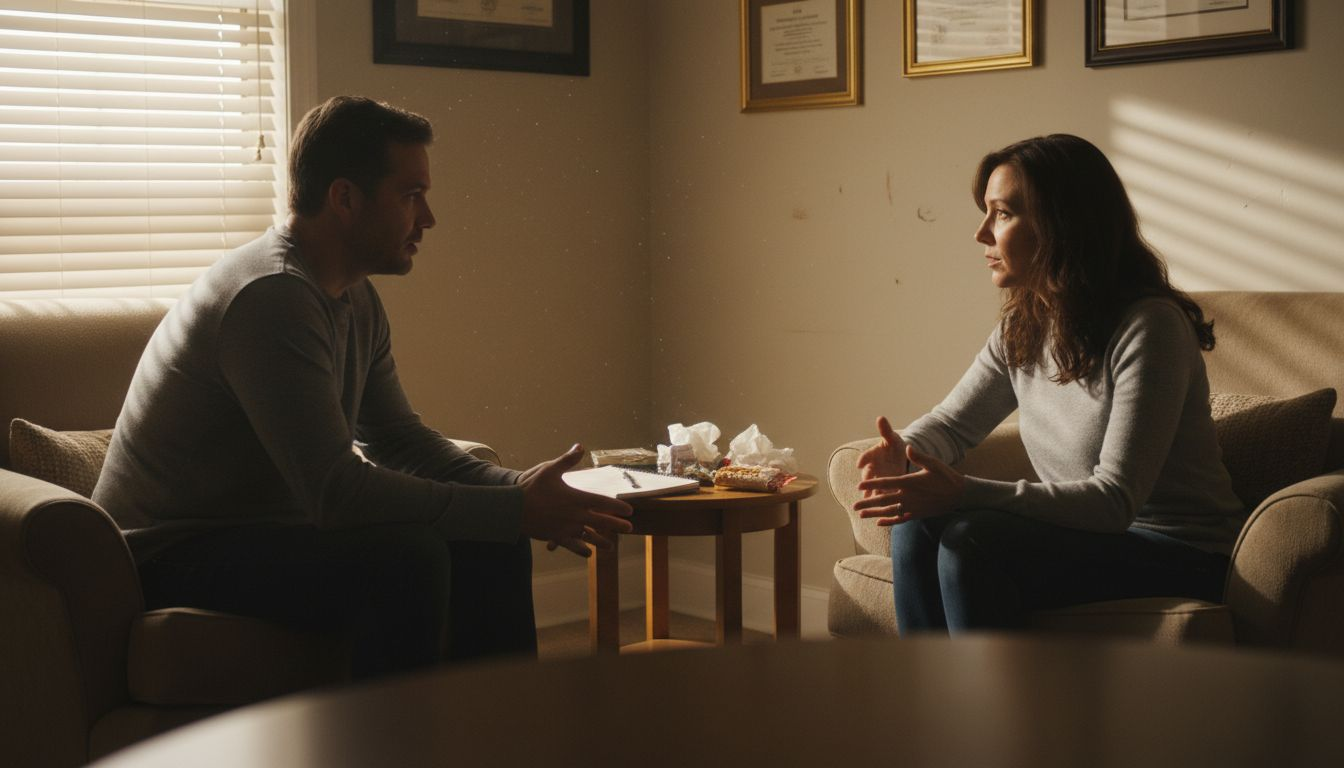
Couples often seek counseling during significant life transitions or when experiencing persistent conflicts that seem impossible to resolve independently. Common triggers include trust disruptions from infidelity, financial disagreements, intimacy challenges, and navigating complex emotional landscapes. Mental health concerns like depression, anxiety, or individual trauma can also profoundly impact relationship dynamics, creating communication barriers and emotional distance that require professional therapeutic support.
Some specific scenarios prompting couples to pursue counseling include managing blended family complexities, processing external stressors like career changes or parenting challenges, and rebuilding emotional connections after prolonged periods of disconnection. Therapeutic intervention provides a structured environment where partners can explore underlying relationship patterns, develop enhanced communication strategies, and cultivate mutual understanding and empathy.
The following table summarizes common triggers that prompt couples to seek counseling and the main outcomes they hope to achieve:
| Trigger for Counseling | Desired Outcome |
|---|---|
| Communication breakdown | Healthier dialogue skills |
| Major life transition | Adaptive coping as a couple |
| Trust issues such as infidelity | Rebuilding trust and security |
| Financial disagreements | Mutual financial understanding |
| Blended family complexities | Cohesive family relationships |
| Emotional disconnection | Renewed emotional intimacy |
Pro Tip: Recognize that seeking couples counseling is a sign of relationship strength, not weakness – it demonstrates a mutual commitment to growth, understanding, and maintaining a healthy partnership.
Types of Therapeutic Approaches for Couples
Couples therapy encompasses several specialized approaches, each designed to address unique relationship challenges and communication dynamics. Cognitive Behavioral Therapy (CBT) stands out as a popular method that focuses on identifying and transforming negative thought patterns and behaviors that contribute to relationship conflicts. Couples therapy techniques help partners recognize destructive communication cycles and develop more constructive interaction strategies.
The Gottman Method represents another powerful therapeutic approach, developed through extensive research on marital stability and relationship dynamics. This method emphasizes building friendship, managing conflict, and creating shared meaning between partners. Emotionally Focused Therapy (EFT) takes a different approach, concentrating on understanding and reshaping emotional responses and attachment patterns. By exploring deep-seated emotional needs and vulnerabilities, EFT helps couples create more secure and supportive relationship bonds.
Additional therapeutic approaches include Imago Relationship Therapy, which examines how childhood experiences shape current relationship patterns, and Solution-Focused Brief Therapy, which concentrates on identifying and building solutions rather than analyzing problems extensively. Some therapists also integrate multiple approaches, creating a customized therapeutic strategy that addresses the specific needs and unique dynamics of each couple.
Here’s a comparison of popular couples therapy approaches and their core focus:
| Approach | Main Focus | Typical Techniques |
|---|---|---|
| Cognitive Behavioral Therapy | Changing thoughts and behaviors | Communication exercises, reflection |
| Gottman Method | Enhancing friendship, managing conflict | Building rituals, managing emotions |
| Emotionally Focused Therapy | Reshaping attachment and emotions | Exploring emotional needs, bonding |
| Imago Relationship Therapy | Healing childhood wounds | Dialogue process, empathy drills |
| Solution-Focused Brief Therapy | Quickly building relationship solutions | Goal setting, highlighting strengths |
Pro Tip: When selecting a couples therapist, prioritize finding a professional who offers a flexible, personalized approach that resonates with both partners’ communication styles and relationship goals.
Benefits and Typical Outcomes of Couples Therapy
Couples therapy offers transformative potential that extends far beyond simple conflict resolution, providing partners with profound opportunities for personal and relational growth. Improved communication emerges as the most fundamental benefit, enabling couples to develop more effective dialogue strategies, express emotions more authentically, and understand each other’s deeper emotional landscapes. Key benefits of relationship counseling demonstrate how therapeutic interventions can fundamentally reshape relationship dynamics.
Beyond communication enhancement, couples therapy can address complex psychological challenges, including individual mental health concerns that impact relationship functioning. Research indicates that resolving relationship issues can have significant positive spillover effects, potentially alleviating symptoms of depression, anxiety, and other psychiatric conditions. The therapeutic process helps partners develop emotional intelligence, learn constructive conflict management techniques, and rebuild trust through structured, supportive interventions.
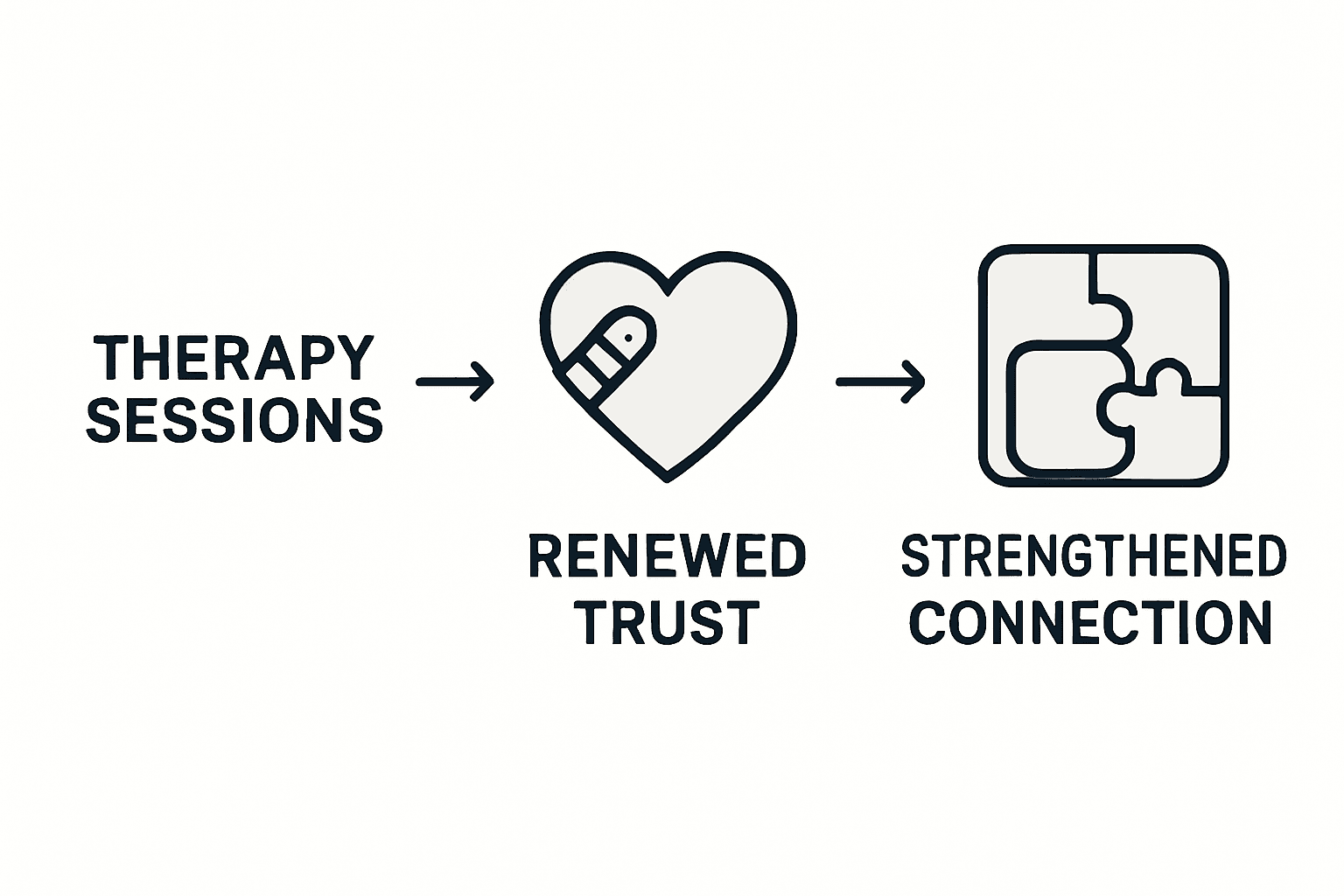
Typical outcomes of couples therapy often include renewed emotional intimacy, more robust conflict resolution skills, increased mutual understanding, and a reinvigorated commitment to the relationship. Partners typically learn to recognize destructive interaction patterns, develop empathy, and create more supportive communication frameworks. Some couples experience dramatic transformations, while others make incremental improvements that gradually strengthen their emotional connection and relationship resilience.
Pro Tip: Approach couples therapy as a collaborative journey of mutual growth, where both partners commit to personal reflection, vulnerability, and genuine engagement with the therapeutic process.
When to Consider Alternatives or Additional Support
Not every relationship challenge can be resolved through couples therapy alone, and recognizing when to seek alternative or supplementary support is crucial for comprehensive relationship healing. Individual therapy can be an invaluable complement when one partner is hesitant or unable to participate in joint counseling, offering personal insights and individual coping strategies. Relationship counseling options provide flexible approaches to addressing complex relationship dynamics.
Some scenarios may require specialized interventions beyond traditional couples therapy. Situations involving significant trauma, addiction, chronic mental health conditions, or persistent domestic violence might necessitate a more comprehensive approach. This could include individual counseling, specialized trauma therapy, substance abuse treatment, or legal intervention. In cases of severe communication breakdown or repeated harmful patterns, partners might benefit from a combination of individual therapy, couples counseling, and potentially separate therapeutic modalities.
Additional support resources can include group therapy sessions focused on relationship skills, online support communities, relationship workshops, and specialized counseling for specific challenges such as infidelity, financial stress, or cultural differences. Some couples might also find value in consulting relationship coaches, spiritual counselors, or mediation specialists who can provide alternative perspectives and strategies for relationship growth. The key is remaining open to multiple avenues of support and recognizing that healing is a multifaceted, personalized journey.
Pro Tip: Approach relationship challenges with flexibility and openness, understanding that successful relationship healing often requires a dynamic, multi-dimensional support strategy that goes beyond a single therapeutic approach.
Rebuild Trust and Connection with Expert Couples Therapy
If you and your partner are facing challenges like broken trust or emotional distance it is critical to seek support designed specifically for your needs. Couples therapy offers a safe space to address communication breakdowns and relearn positive connection while working through the pain together. Understanding key therapy approaches and focusing on rebuilding your relationship foundation can lead to renewed intimacy and lasting change. Learn more about proven strategies in our Couples/Marriage Archives – Dr. Stephen Oreski & Associates that align with your journey.
Take the first step toward healing your relationship today by exploring personalized couples counseling at https://bergencountytherapist.com. Our compassionate therapists specialize in helping couples rebuild trust and enhance communication through tailored therapeutic plans. Don’t wait for the problems to deepen act now to create the stronger, more connected relationship you both deserve. Visit our couples Archives – Dr. Stephen Oreski & Associates and get started on your path toward renewal.
Frequently Asked Questions
What are the main reasons couples seek therapy?
Couples typically seek therapy due to communication breakdowns, trust issues, significant life transitions, financial disagreements, and emotional disconnection. These challenges often indicate the need for professional support to rebuild their relationship.
How does couples therapy help in rebuilding trust?
Couples therapy employs various techniques, such as structured conversations and emotional exploration, to help partners identify destructive patterns, express emotions constructively, and engage in trust-building exercises, ultimately fostering a more secure emotional connection.
What types of therapeutic approaches are used in couples therapy?
Common therapeutic approaches in couples therapy include Cognitive Behavioral Therapy (CBT), Emotionally Focused Therapy (EFT), the Gottman Method, Imago Relationship Therapy, and Solution-Focused Brief Therapy, each focusing on different aspects of relationship dynamics and communication.
How can couples improve their communication skills during therapy?
Therapists help couples develop active listening skills, express their feelings and needs more openly, and engage in constructive problem-solving techniques, which enhances overall dialogue and helps nurture empathy and understanding in the relationship.