
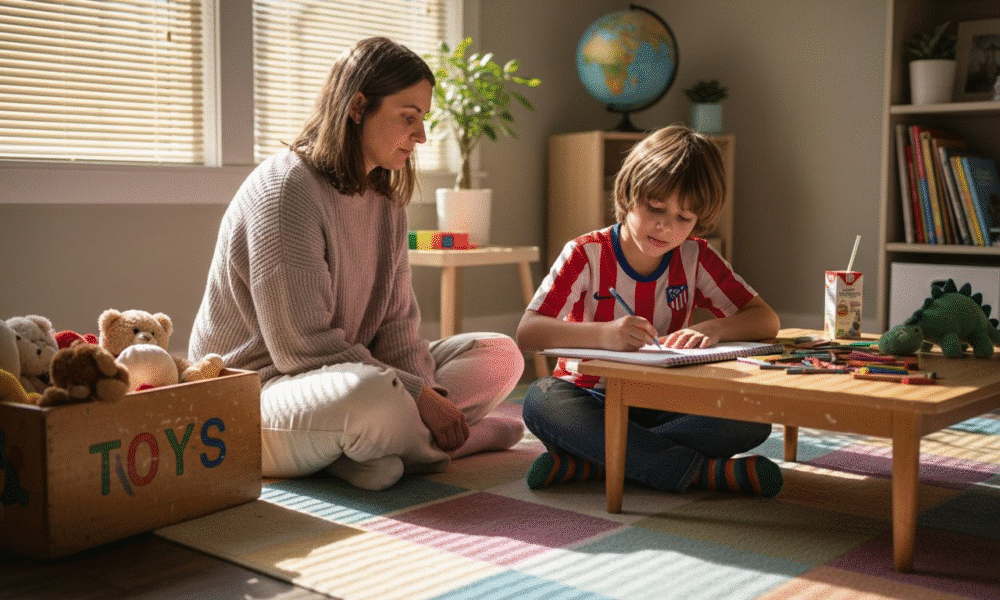
Over half of American parents say they have worried about their child’s mood or behavior in the past year. When your child struggles with big emotions or disruptive actions, it can feel isolating and overwhelming. Families across Bergen County are searching for trusted guidance to help their children grow, and understanding child psychotherapy may be the first compassionate step. This article explains what American child psychotherapy involves and how it can support your family’s unique needs.
Table of Contents
- What Is Child Psychotherapy and Who Needs It
- Common Types of Child Therapy Approaches
- How Child Psychotherapy Sessions Work
- Recognizing When a Child Needs Therapy
- Parental Roles, Costs, and Safety Concerns
Child Psychotherapy Guide: Table of Contents & Sections
| Point | Details |
|---|---|
| Child Psychotherapy is Specialized | Focuses on children’s unique ways of processing emotions and behaviors, addressing significant emotional and developmental challenges. |
| Common Warning Signs for Therapy | Indicators include persistent mood changes, academic struggles, and social difficulties; timely intervention is crucial for emotional development. |
| Importance of Parental Involvement | Active participation in therapy enhances outcomes; parents should communicate openly with therapists and support their child’s therapeutic process. |
| Cost and Safety Considerations | Understand session costs and insurance coverage, and prioritize safety through initial screenings to ensure a supportive therapeutic environment. |
What Is Child Psychotherapy and Who Needs It
Child psychotherapy is a specialized mental health approach designed to help children navigate complex emotional challenges through targeted therapeutic interventions. Unlike adult therapy, this approach recognizes that children communicate and process emotions differently, often expressing inner struggles through behavior, play, or nonverbal cues rather than direct verbal communication.
At its core, child therapy and counseling focuses on supporting young individuals experiencing significant emotional, behavioral, or developmental difficulties. These challenges might manifest as persistent mood problems, anxiety, depression, trauma responses, social interaction struggles, or difficulties adapting to family or school environments. Trained child psychotherapists use developmentally appropriate techniques to help children understand and manage their emotions, develop healthy coping mechanisms, and build resilience.
Children who might benefit from psychotherapy include those experiencing:
- Significant life transitions or family disruptions
- Persistent behavioral problems at home or school
- Symptoms of anxiety or depression
- Difficulty processing traumatic experiences
- Challenges with social relationships or emotional regulation
- Neurodevelopmental differences affecting emotional processing
Pro tip:Parents should view child psychotherapy as a collaborative process, actively participating in their child’s therapeutic journey and maintaining open communication with the therapist.
Common Types of Child Therapy Approaches
Child psychotherapy offers multiple specialized approaches designed to address the unique emotional and developmental needs of children. Trauma-informed therapy options represent a critical subset of these interventions, tailored to help young individuals process and heal from challenging experiences.
Cognitive Behavioral Therapy (CBT) stands as one of the most widely utilized approaches, focusing on helping children identify and modify negative thought patterns and behaviors. This method empowers children to develop healthier coping mechanisms by understanding the connections between their thoughts, feelings, and actions. For younger children, Play Therapy provides a developmentally appropriate alternative, allowing them to express complex emotions through structured play, toys, and creative activities.
Other prominent therapeutic approaches include:
- Family Therapy: Enhances communication and resolves relational dynamics
- Dialectical Behavior Therapy (DBT): Helps adolescents manage intense emotions
- Trauma-Focused CBT: Specifically designed for processing traumatic experiences
- Group Therapy: Provides peer support and social skill development
- Art Therapy: Uses creative expression as a communication tool
Pro tip:Always consult with a licensed child psychotherapist to determine the most appropriate therapeutic approach for your child’s specific emotional and developmental needs.
Here’s a quick comparison of leading child therapy approaches and their focus areas:
| Therapy Approach | Primary Focus | Typical Age Group |
|---|---|---|
| Cognitive Behavioral (CBT) | Thought and behavior patterns | School-age children and teens |
| Play Therapy | Emotions via play and activities | Preschool and elementary children |
| Family Therapy | Relationships and family dynamics | All ages, with family unit |
| Art Therapy | Emotional expression through art | Young children through adolescents |
| Group Therapy | Peer interaction and social skills | Older children and adolescents |
| Dialectical Behavior (DBT) | Managing intense emotions | Adolescents |
| Trauma-Focused CBT | Healing trauma and stress | Children exposed to trauma |
How Child Psychotherapy Sessions Work
Child psychotherapy sessions are carefully designed to create a safe, supportive environment where children can explore their emotions and develop healthier coping mechanisms. Child counseling approaches vary based on the child’s age, developmental stage, and specific emotional challenges, ensuring a personalized therapeutic experience.
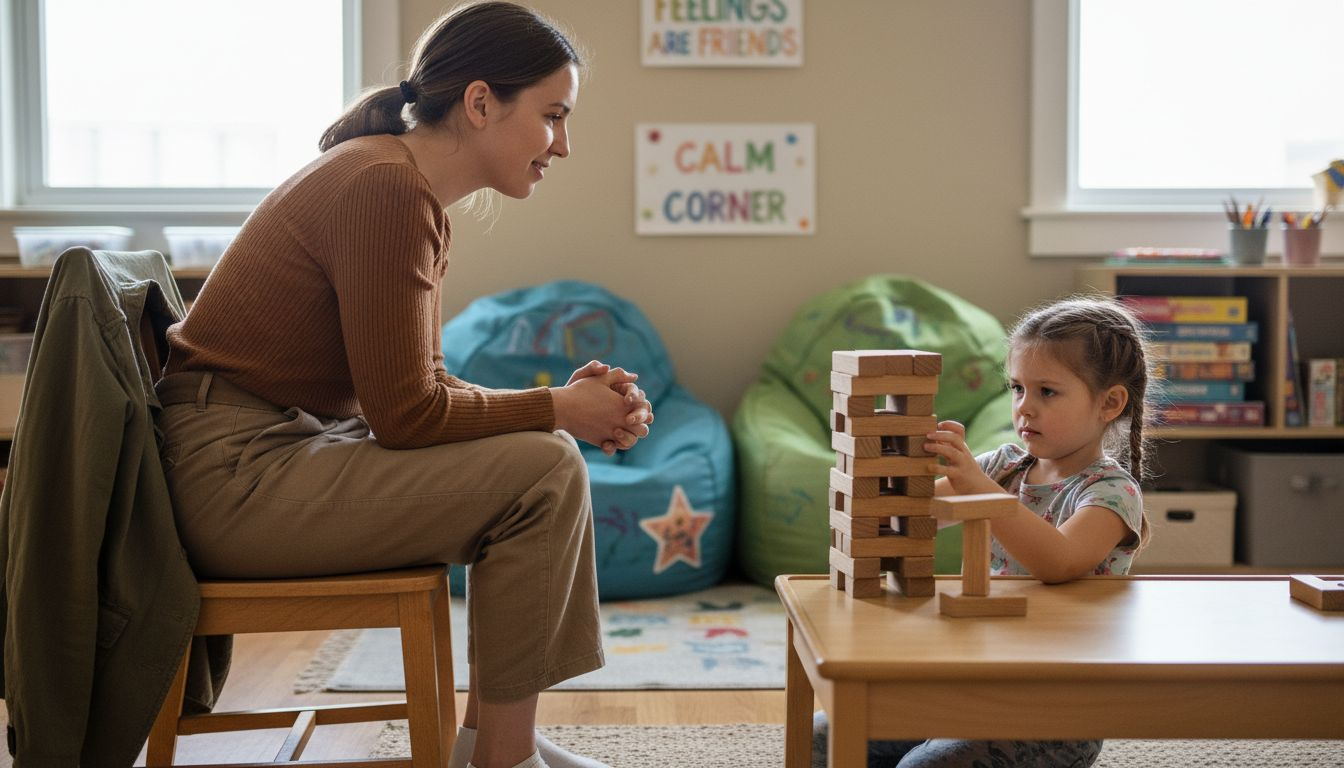
Initial Assessment typically involves comprehensive conversations with parents or guardians to understand the child’s background, current struggles, and therapeutic goals. During the first few sessions, therapists focus on building trust and rapport, using age-appropriate techniques like play therapy for younger children or more direct conversational approaches for older kids and adolescents. The therapist observes the child’s communication styles, emotional responses, and interaction patterns to develop a tailored intervention strategy.
Throughout the therapeutic process, sessions might include:
- Structured play activities
- Art and creative expression techniques
- Talk-based emotional exploration
- Skill-building exercises
- Cognitive behavioral interventions
- Family interaction assessments
- Emotional regulation techniques
The frequency and duration of sessions depend on the child’s specific needs, with most children attending weekly sessions lasting 45-60 minutes. Progress is continuously monitored through behavioral observations, feedback from parents and teachers, and the child’s own emotional development and reported experiences.
Pro tip:Parents should maintain open communication with the therapist and create a supportive home environment that reinforces the therapeutic work happening during sessions.
Recognizing When a Child Needs Therapy
Parents play a crucial role in identifying early signs that their child might benefit from professional mental health support. Child and adolescent therapy approaches can help address underlying emotional challenges that may not be immediately apparent through typical interactions.
Emotional Warning Signs indicate a potential need for therapy and include persistent changes in mood, such as prolonged sadness, excessive anxiety, frequent anger outbursts, or unexplained emotional withdrawal. Children might struggle to articulate their internal experiences, instead expressing distress through behavioral changes, academic performance shifts, or alterations in social interactions. These signals suggest that professional intervention could help children develop healthier emotional regulation and coping strategies.
Significant indicators that a child might need therapeutic support include:
- Persistent mood changes lasting more than several weeks
- Dramatic shifts in academic performance
- Social isolation or difficulty maintaining friendships
- Regression to earlier developmental behaviors
- Excessive fears or chronic worrying
- Physical symptoms without medical explanation
- Signs of potential self-harm or suicidal thoughts
- Difficulty processing traumatic experiences
- Major life transitions or family disruptions
Warning Signs by Age Group:
- Younger Children: Frequent tantrums, extreme separation anxiety, sleep disturbances
- School-Age Children: Academic struggles, bullying experiences, low self-esteem
- Adolescents: Significant mood swings, risky behaviors, substance experimentation
Pro tip:Trust your parental instincts and schedule an initial consultation if you observe persistent changes in your child’s behavior or emotional state, even if the signs seem subtle.
Parental Roles, Costs, and Safety Concerns
Parental involvement is a critical component of successful child psychotherapy, with families playing an essential role in supporting their child’s emotional healing journey. What Is Child Therapy resources emphasize the importance of understanding the therapeutic process and actively participating in a child’s mental health treatment.
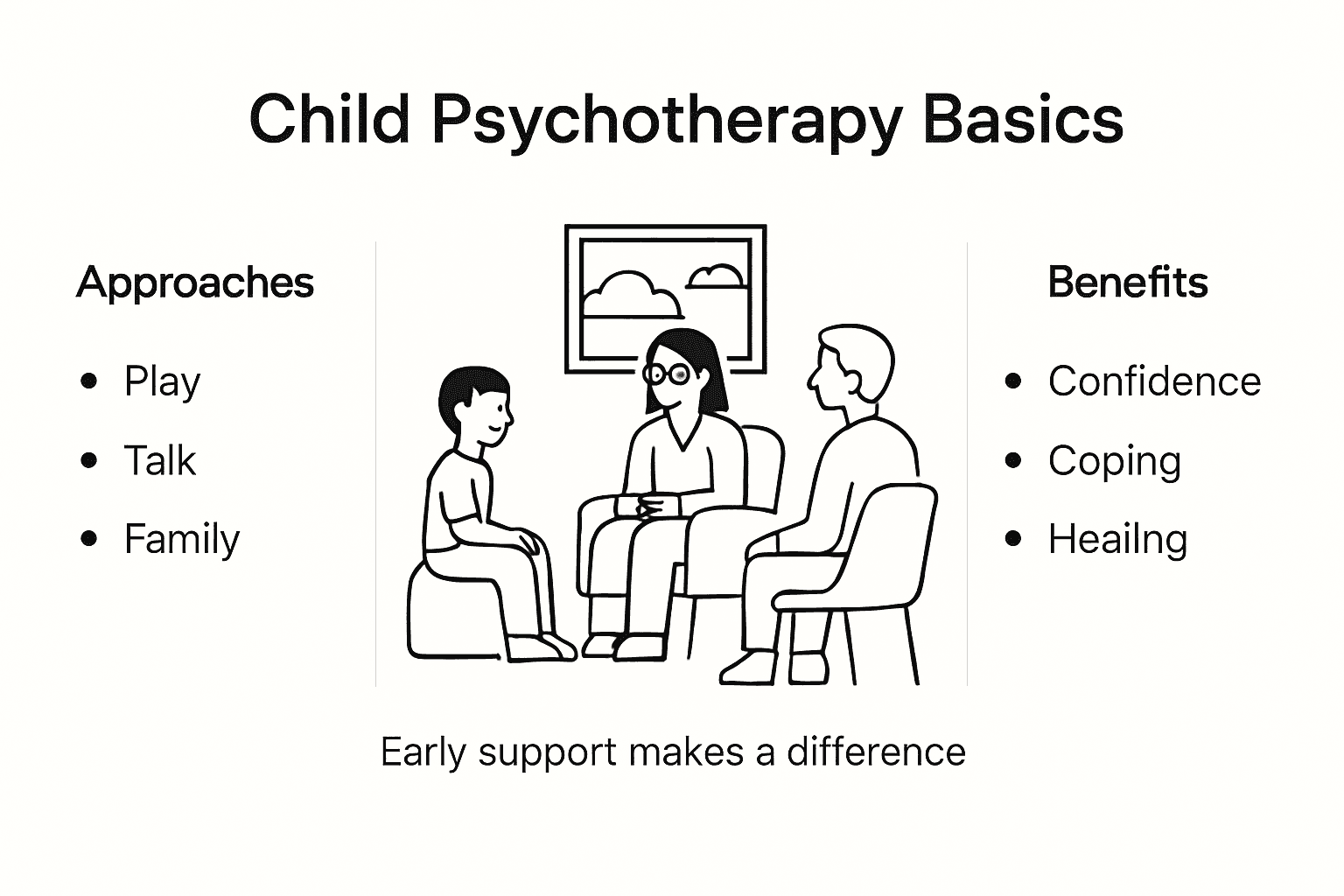
Parental Involvement Strategies require active collaboration with the therapist, including open communication, consistent support, and willingness to engage in family therapy sessions when recommended. Parents serve as crucial partners in the therapeutic process, providing valuable insights into the child’s background, behavioral patterns, and environmental factors that might contribute to emotional challenges. This collaborative approach helps therapists develop more comprehensive and effective treatment plans tailored to the child’s specific needs.
Key considerations for parents include:
- Understanding the therapy goals and process
- Maintaining confidentiality and trust
- Supporting therapeutic recommendations at home
- Monitoring progress and behavioral changes
- Managing financial aspects of treatment
Financial and Safety Considerations:
- Insurance coverage varies widely
- Session costs typically range from $120-$250
- Some practices offer sliding scale fees
- Telehealth options may reduce overall expenses
- Safety screenings are standard in initial assessments
- Therapists are mandated reporters for child safety concerns
Cost Management Strategies:
The following table summarizes important cost and safety considerations for parents evaluating child psychotherapy options:
| Consideration | Details | Parent Action Step |
|---|---|---|
| Session Costs | $120-$250 per hour | Request fee transparency |
| Insurance | Coverage varies by provider | Confirm mental health benefits |
| Telehealth | Often lower expense | Inquire about virtual sessions |
| Safety Screening | Conducted at first assessment | Provide detailed background info |
| Financial Support | Sliding scales sometimes offered | Ask about reduced-fee programs |
- Check insurance mental health coverage
- Explore community health centers
- Consider group therapy options
- Discuss payment plans with providers
- Investigate school-based counseling services
Support Your Child Through Emotional Challenges with Expert Care
Addressing emotional struggles in children requires specialized understanding and compassionate support. If your child is facing persistent mood changes, anxiety, or difficulty processing traumatic experiences, professional help can make a real difference. At our practice, we focus on personalized approaches like cognitive behavioral therapy and play therapy to help children build resilience and healthy coping skills.

Take the first step toward healing by exploring our range of Child Therapy services designed specifically for young clients. Our experienced therapists at Bergen County Therapist are ready to partner with your family to create a supportive environment for lasting positive change. Learn more about our tailored methods and schedule a free consultation today to start your child’s journey toward emotional well-being.
Frequently Asked Questions
What is child psychotherapy?
Child psychotherapy is a specialized mental health approach designed to help children navigate emotional challenges through therapeutic interventions. It focuses on understanding and managing emotions, developing coping mechanisms, and building resilience.
How can I tell if my child needs therapy?
Look for emotional warning signs such as persistent mood changes, social isolation, academic struggles, or difficulty processing traumatic experiences. If these signs persist for several weeks, seeking professional support can be beneficial.
What are the common types of child therapy approaches?
Common therapy approaches include Cognitive Behavioral Therapy (CBT), Play Therapy, Family Therapy, Dialectical Behavior Therapy (DBT), and Art Therapy. Each approach addresses different emotional and developmental needs based on the child’s age and circumstances.
How do child psychotherapy sessions typically work?
Sessions are designed to create a safe and supportive environment. They often begin with an initial assessment followed by activities like structured play, art expression, and skill-building exercises. The duration and frequency of sessions depend on the child’s specific needs.
Recommended
- What Is Child Therapy? Complete Guide for Parents – Dr. Stephen Oreski & Associates
- Child Therapy and Child Counseling for Healthy Emotions
- 7 Key Benefits of Child Counseling Every Parent Should Know
- Child Trauma Therapy: Definition, Types, and Impact
- How to Use Your Estate Plan to Protect a Child Who Has Addiction or Debt Problems – Law Office of Eric Ridley