
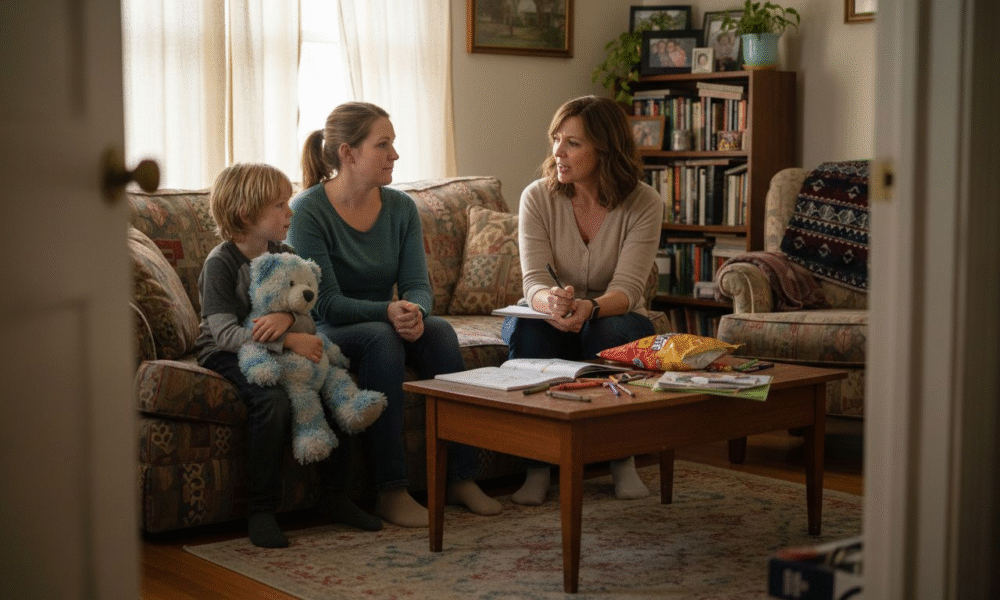
More than 60 percent of American families report ongoing emotional struggles affecting their children’s behavior and happiness at home. These challenges often leave Bergen County parents searching for child therapy methods that truly address family dynamics rather than just individual symptoms. Understanding the impact of family interactions on emotional development, this guide highlights proven approaches that help children ages 5 to 12 overcome anxiety, depression, and communication hurdles while strengthening the entire household.
Guide Overview: Family-Based Child Therapy Topics
- Defining Child Therapy In The Family Context
- Main Types Of Child Therapy Approaches
- How Family-Based Child Therapy Sessions Work
- Parental Roles And Responsibilities In Therapy
- Common Challenges And How To Overcome Them
Key Takeaways
| Point | Details |
|---|---|
| Child Therapy and Family Dynamics | Child therapy emphasizes the interconnectedness of a child’s mental health with family relationships, requiring engagement from multiple family members for effective healing. |
| Diverse Therapeutic Approaches | Various child therapy approaches exist, each tailored to meet specific emotional and behavioral challenges, such as Functional Family Therapy and Cognitive Behavioral Family Therapy. |
| Parental Involvement is Crucial | Active parental participation enhances therapy outcomes by providing consistent support and reinforcing therapeutic insights at home. |
| Addressing Challenges Together | Families can overcome therapy-related challenges through open communication, establishing trust, and using structured methods to facilitate emotional expression. |
Defining Child Therapy in the Family Context
Child therapy represents a specialized approach to mental health treatment that views emotional challenges through a systemic family lens. Unlike traditional individual counseling, this method recognizes that a child’s psychological well-being is deeply interconnected with their family dynamics. Family therapy techniques examine how relationships, communication patterns, and family structures influence a child’s emotional development and behavioral responses.
At its core, child therapy operates on the fundamental principle that psychological difficulties are not isolated individual experiences, but interpersonal phenomena emerging from complex family interactions. Research from leading psychological journals confirms that systemic interventions can effectively address a wide range of childhood challenges – including anxiety, depression, behavioral disorders, and trauma recovery. These therapeutic approaches engage multiple family members, creating collaborative strategies that support the child’s emotional healing and overall family resilience.
The therapeutic process typically involves comprehensive assessment of family communication, identifying underlying relational patterns, and developing targeted interventions. Therapists work closely with parents and children to understand the intricate emotional landscapes within the family system. By fostering open dialogue, teaching healthy communication skills, and providing emotional support, these interventions aim to transform negative interaction cycles and create more supportive, understanding family environments.
Pro tip:When seeking child therapy, prioritize professionals who specialize in family systems approaches and demonstrate a holistic understanding of childhood emotional development.
Main Types of Child Therapy Approaches
Child therapy encompasses diverse approaches designed to address unique emotional and behavioral challenges children face within their family systems. Trauma-informed therapy techniques provide specialized interventions tailored to individual developmental needs, recognizing that children process psychological experiences differently from adults. These therapeutic modalities range from play-based interventions to structured cognitive behavioral approaches, each offering distinct strategies for supporting children’s mental health.
Contemporary evidence-based family therapy models include several key approaches targeting specific psychological challenges. Functional Family Therapy focuses on reducing risky behaviors in young people, while Attachment-Based Family Therapy addresses depression and emotional regulation. Cognitive Behavioral Family Therapy proves particularly effective for managing childhood anxiety, creating structured interventions that help children reframe negative thought patterns and develop healthier emotional responses. Multisystemic therapy offers comprehensive support for complex behavioral disorders, engaging multiple family and community systems to create holistic healing environments.
Each therapy approach offers unique benefits depending on the child’s specific psychological needs. Narrative family therapy helps children and families reframe their experiences through storytelling, while psychoeducational approaches provide families with critical mental health knowledge. These interventions are not one-size-fits-all solutions but carefully designed strategies that adapt to each family’s unique dynamics, communication patterns, and emotional landscapes.
Here’s a comparison of major child therapy approaches and their primary focus areas:
| Therapy Approach | Main Focus | Ideal For |
|---|---|---|
| Functional Family | Reducing risky youth behaviors | Conduct and behavioral issues |
| Attachment-Based | Improving emotional regulation | Depression, family conflict |
| Cognitive Behavioral | Restructuring negative thinking | Childhood anxiety |
| Multisystemic | Engaging multiple family systems | Complex behavioral disorders |
| Narrative Family | Reframing experiences via stories | Trauma, identity challenges |
| Psychoeducational | Educating families on mental health | Parental support, all ages |
Pro tip:When exploring child therapy options, request detailed information about the therapist’s specific training and experience with the approach most suitable for your child’s individual needs.
How Family-Based Child Therapy Sessions Work
Family-based child therapy sessions represent a collaborative approach that transforms traditional individual counseling by actively engaging multiple family members in the therapeutic process. Parent-child therapy techniques recognize that a child’s psychological challenges are deeply interconnected with family dynamics, requiring a systemic approach to healing. These sessions typically involve carefully structured interactions designed to uncover communication patterns, emotional triggers, and underlying relational dynamics that contribute to a child’s psychological challenges.
The therapeutic process begins with a comprehensive assessment that examines the entire family system. Therapists observe interactions, listen to individual perspectives, and develop a nuanced understanding of family communication styles. Collaborative hypothesis building becomes a critical component, where children, parents, and therapists work together to identify causative factors and develop targeted intervention strategies. This approach might include techniques such as guided discovery, role-playing exercises, communication skill-building, and structured activities that help family members understand each other’s emotional experiences more deeply.
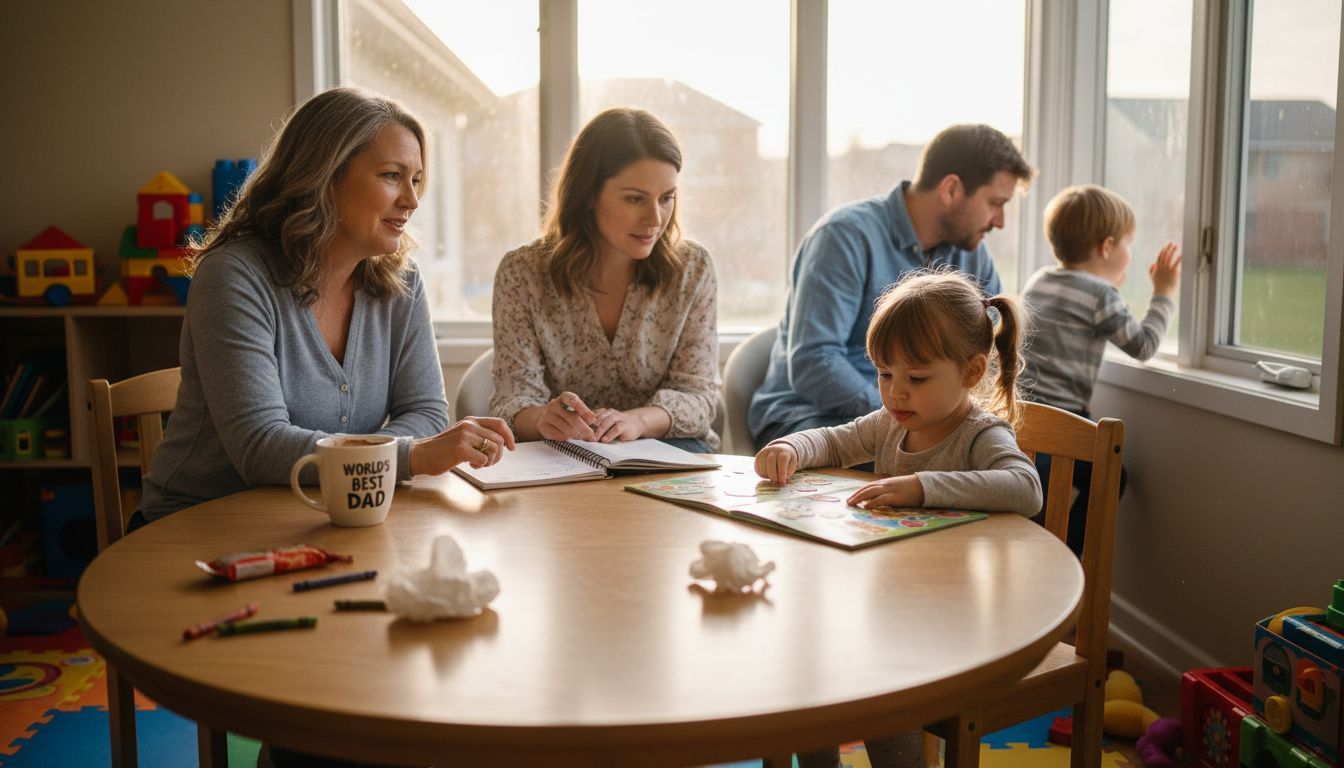
Multimodal therapy sessions can take various forms depending on the specific challenges and therapeutic approach. Some sessions might focus on parent training interventions, helping caregivers develop more effective communication and support strategies. Others might involve direct child-centered activities designed to build emotional regulation skills, improve self-understanding, and create safe spaces for expressing complex feelings. The goal is not to assign blame but to create a supportive environment where family members can learn, grow, and develop healthier relational patterns that support the child’s emotional well-being.
Pro tip:Approach family therapy with an open mind and commitment to collective healing, understanding that meaningful change requires active participation from all family members.
Parental Roles and Responsibilities in Therapy
Parental involvement is a critical component of successful child therapy, transforming therapeutic interventions from isolated sessions into comprehensive family healing experiences. Child psychotherapy strategies emphasize that parents are not passive observers but active participants in their child’s mental health journey. This collaborative approach recognizes that sustainable emotional growth requires consistent support and understanding from the family unit, particularly from primary caregivers who play a pivotal role in implementing therapeutic insights at home.
The therapeutic process demands specific parental responsibilities that extend far beyond traditional attendance. Active collaboration involves participating in treatment planning, learning specialized communication techniques, and creating supportive home environments that reinforce therapeutic goals. Parents must develop skills to recognize emotional triggers, provide consistent emotional validation, and create safe spaces for their children to express complex feelings. Meta-analyses demonstrate that engaged parental involvement significantly improves treatment outcomes, particularly for children experiencing externalizing behavioral challenges or emotional regulation difficulties.
Successful parental engagement requires a multifaceted approach. This includes attending joint therapy sessions, practicing therapeutic techniques learned during counseling, maintaining open communication with therapists, and consistently implementing structured parenting strategies. Parents must become skilled observers of their children’s emotional landscapes, learning to distinguish between typical developmental challenges and potential areas requiring professional intervention. The goal is to create a holistic support system that empowers children to develop emotional resilience, self-understanding, and healthy coping mechanisms.
Pro tip:Approach your child’s therapy as a collaborative learning experience, remaining patient, open-minded, and committed to understanding your child’s unique emotional journey.
Common Challenges and How to Overcome Them
Child therapy presents unique challenges that can create emotional complexity for families navigating mental health support. Life transition strategies become essential in understanding and managing the intricate dynamics that emerge during therapeutic interventions. Families often encounter resistance, communication barriers, and deep-seated emotional patterns that can complicate the healing process, requiring patience, commitment, and professional guidance to navigate successfully.
Resistance and Emotional Blockages represent primary challenges in child therapy. Children may feel vulnerable, misunderstood, or defensive about participating in therapeutic sessions. Parents might struggle with feelings of guilt, uncertainty, or frustration when confronting their child’s emotional difficulties. This resistance can manifest through various behaviors such as withdrawal, defiance, or reluctance to engage in therapeutic conversations. Overcoming these challenges requires a compassionate, non-judgmental approach that validates the child’s emotional experience while gently encouraging open communication and trust-building.
Effective strategies for addressing therapeutic challenges include creating safe emotional spaces, maintaining consistent and predictable therapeutic interactions, and developing individualized approaches that respect each family member’s unique emotional landscape. Therapists and parents must collaborate to identify underlying communication patterns, recognize potential triggers, and develop adaptive coping mechanisms. This might involve techniques like active listening, emotional validation, establishing clear boundaries, and creating structured opportunities for genuine emotional expression. The goal is to transform potential obstacles into opportunities for growth, understanding, and meaningful family connection.
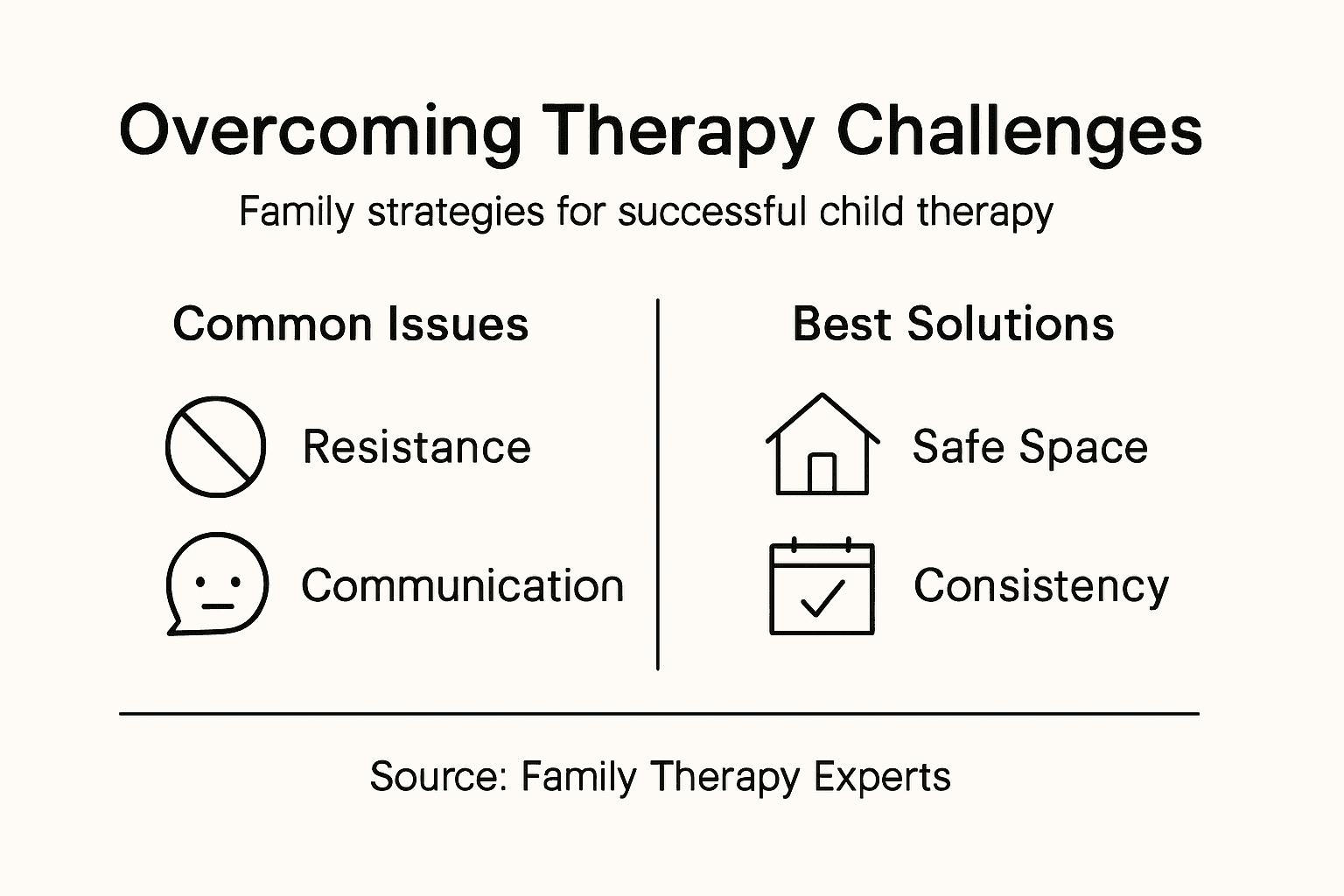
Below is a summary of common challenges in child therapy and practical solutions:
| Challenge | Typical Causes | Practical Solution |
|---|---|---|
| Child resistance | Vulnerability, fear, confusion | Use creative activities, build trust |
| Parental uncertainty | Guilt, lack of knowledge | Provide psychoeducation, validate concerns |
| Emotional blockages | Family communication barriers | Practice active listening, open dialogue |
| Implementation gaps | Inconsistent support at home | Structured routines, parent training |
Pro tip:Approach therapy challenges with curiosity and compassion, viewing each obstacle as a potential pathway to deeper family understanding and emotional resilience.
Support Your Child’s Emotional Growth with Expert Family Therapy
Struggling with complex family dynamics that affect your child’s well-being can be overwhelming. This article highlights how child therapy within the family system addresses communication barriers, emotional resistance, and behavioral challenges by focusing on systemic healing and collaborative solutions. Understanding the power of family-based interventions such as Functional Family Therapy and other evidence-based approaches can transform your home environment into a space of trust, support, and emotional resilience.

Are you ready to take the next step toward transforming your family dynamics and supporting your child’s mental health journey?
Visit Bergen County Therapist to explore specialized child and family therapy programs. Learn more about how our compassionate team can guide you through this healing process by visiting the Family Therapy Archives or discover supportive resources in the broader Family Archives.
Frequently Asked Questions
What is child therapy in the context of family dynamics?
Child therapy in the family context is a specialized approach that addresses a child’s emotional challenges by considering the family dynamics that influence their well-being. It focuses on how relationships and communication patterns within the family affect the child’s mental health.
How do family-based child therapy sessions work?
Family-based child therapy sessions actively engage multiple family members in the therapeutic process. These sessions involve a comprehensive assessment of family communication styles, uncovering relational patterns, and developing targeted interventions to promote emotional healing and understanding among family members.
What roles do parents play in their child’s therapy?
Parents are crucial participants in their child’s therapy. They collaborate in treatment planning, learn communication techniques, and create a supportive home environment that reinforces therapeutic goals, all of which enhance the effectiveness of the therapy.
What challenges can arise during child therapy, and how can families overcome them?
Common challenges in child therapy include resistance from the child, parental uncertainty, and emotional blockages. Families can overcome these challenges by creating a safe emotional space, maintaining open communication, and actively listening to each other, which can facilitate understanding and healing.