

Over half of American children experience a traumatic event before turning eighteen, yet most families feel unsure about where to seek help. Childhood trauma can leave lasting scars if not properly addressed, affecting everything from emotional development to academic performance. Understanding what child trauma therapy truly involves matters for every parent and caregiver seeking real solutions. This guide breaks down common myths, explains proven interventions, and reveals how targeted therapy builds resilience and lasting healing.
Child Trauma Therapy Guide: Definitions, Types & Parental Involvement
- Child Trauma Therapy Defined and Debunked
- Key Types of Child Trauma Interventions
- How Therapy Supports Healing and Growth
- Parental Involvement and Therapy Success
- Potential Risks and Finding the Right Support
Key Takeaways
| Point | Details |
|---|---|
| Child Trauma Therapy’s Importance | Specialized therapy helps children process traumatic experiences, acknowledging that they process trauma differently than adults. |
| Effective Intervention Methods | Evidence-based therapies like Trauma-Focused Cognitive Behavioral Therapy (TF-CBT) and Child-Parent Psychotherapy (CPP) focus on healing relationships and developing resilience. |
| Role of Parental Involvement | Engaging parents in therapy enhances emotional healing, creating a supportive home environment and improving outcomes for children. |
| Risks and Considerations | Selecting properly trained therapists and monitoring emotional responses is crucial to avoid re-traumatization and ensure a safe therapeutic environment. |
Child Trauma Therapy Defined and Debunked
Child trauma therapy represents a specialized psychological intervention designed to help children process and heal from deeply distressing or overwhelming experiences. Childhood trauma can stem from numerous sources – physical abuse, sexual violence, natural disasters, severe medical conditions, witnessing domestic violence, or experiencing significant loss. The Substance Abuse and Mental Health Services Administration defines child trauma as an intensely threatening event that potentially overwhelms a child’s ability to cope, creating lasting psychological consequences.
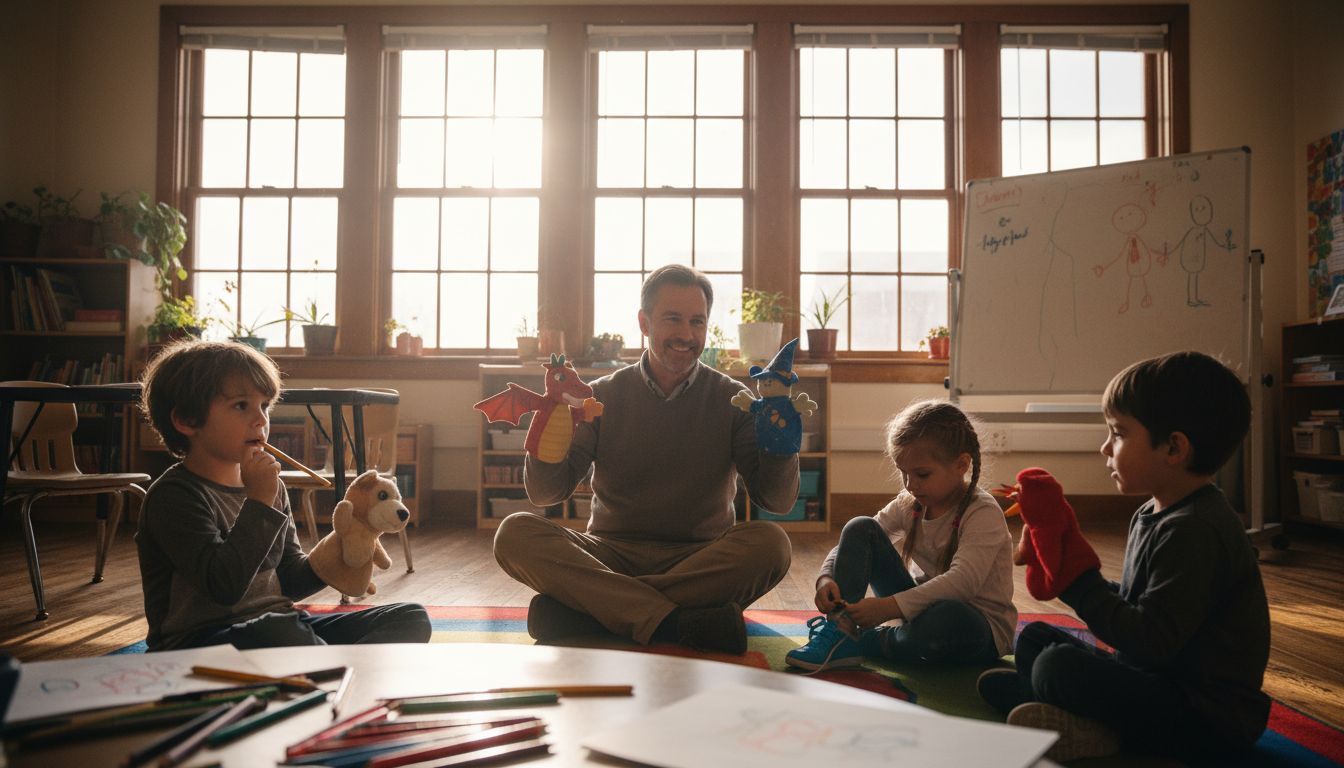
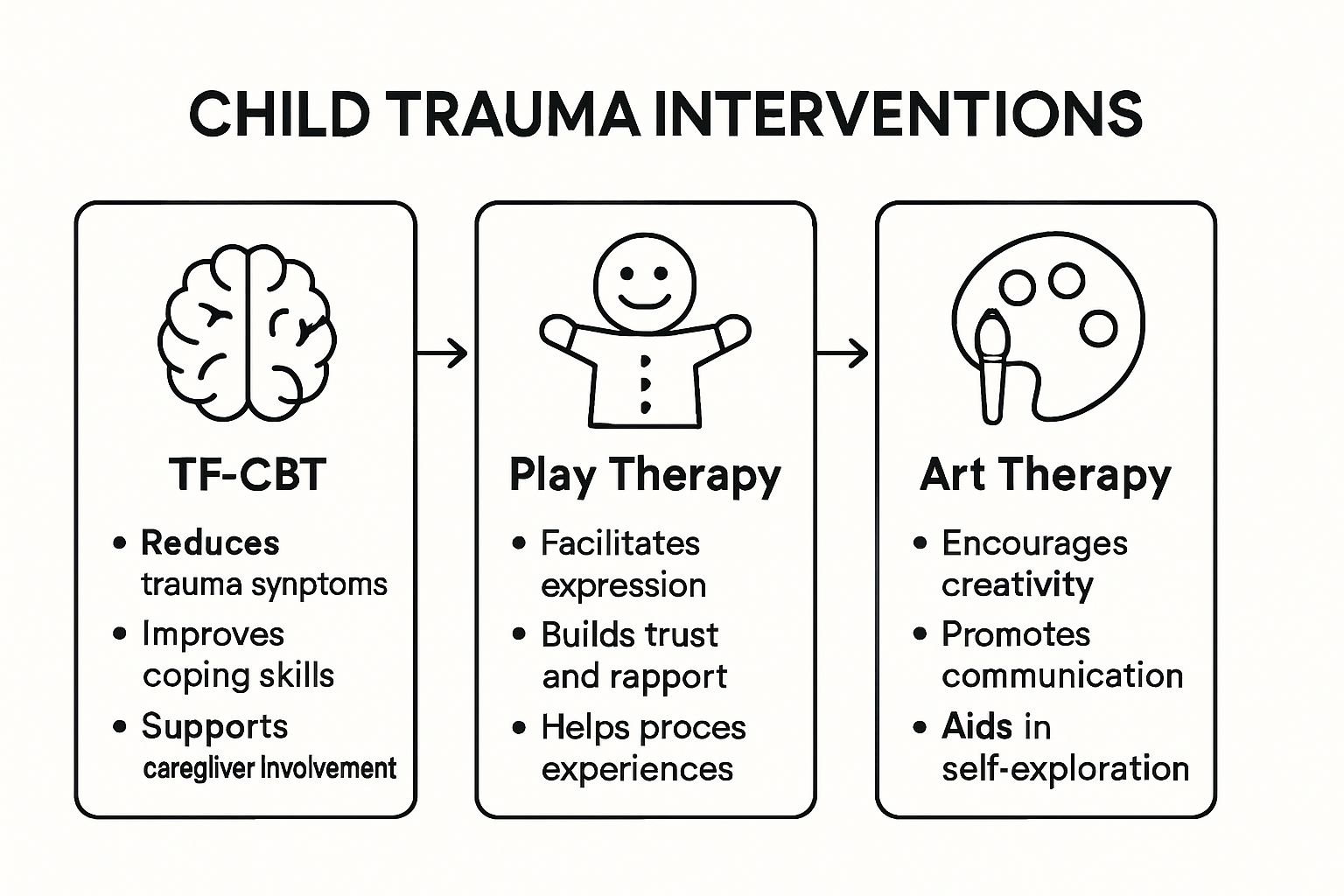
Understanding trauma’s complex impact requires recognizing that children process traumatic events differently from adults. Their developing brains and limited emotional vocabulary make traditional therapeutic approaches insufficient. Specialized trauma therapy options focus on creating safe, supportive environments where children can gradually explore and integrate challenging emotional experiences. Therapeutic approaches often involve age-appropriate techniques like play therapy, art intervention, and narrative storytelling that allow children to express feelings they might struggle to verbalize.
Key aspects of effective child trauma therapy include:
- Creating psychological safety
- Building trusted therapeutic relationships
- Teaching emotional regulation skills
- Helping children understand their experiences are not their fault
- Developing healthy coping mechanisms
- Restoring a sense of personal control and empowerment
Trauma-informed therapy recognizes that traumatic experiences fundamentally reshape a child’s perception of safety, relationships, and personal boundaries. Professionals trained in this approach understand that healing isn’t about eliminating trauma but helping children develop resilience and adaptive strategies for processing their experiences. The ultimate goal is supporting psychological recovery while preventing long-term negative mental health outcomes.
Key Types of Child Trauma Interventions
Child trauma interventions represent specialized therapeutic approaches designed to address the complex psychological needs of children who have experienced traumatic events. The National Child Traumatic Stress Network identifies several evidence-based methods that help children process and recover from traumatic experiences. Trauma-Focused Cognitive Behavioral Therapy (TF-CBT) stands out as one of the most researched and effective interventions, offering a structured framework for healing.
Comprehensive trauma therapy approaches provide multiple strategies tailored to individual child needs. Key intervention types include:
- Trauma-Focused Cognitive Behavioral Therapy (TF-CBT)
- Components-based treatment
- Teaches stress management skills
- Addresses traumatic memories directly
- Child-Parent Psychotherapy (CPP)
- Focuses on relationship healing
- Supports attachment between child and caregiver
- Helps rebuild sense of safety and trust
- Attachment, Self-Regulation, and Competency (ARC)
- Addresses developmental disruptions
- Promotes emotional regulation
- Supports long-term resilience
Each intervention method recognizes that children process trauma differently from adults. Therapists using these approaches create safe, supportive environments that allow children to express complex emotions, develop coping mechanisms, and gradually integrate traumatic experiences into their understanding of self. The ultimate goal is not just symptom management, but fostering psychological resilience and supporting healthy emotional development.
How Therapy Supports Healing and Growth
Child trauma therapy represents a transformative journey of healing that goes far beyond symptom management. The therapeutic process helps children rebuild their sense of safety, self-worth, and emotional resilience after experiencing overwhelming or devastating experiences. Psychological recovery involves more than simply addressing traumatic memories – it requires creating a supportive environment where children can gradually reconstruct their understanding of themselves and the world around them.
Trauma-focused therapies provide critical skills and strategies that support long-term healing. Practical therapeutic approaches help children develop essential emotional regulation techniques, including:
- Learning to identify and express complex emotions
- Understanding trauma responses and triggers
- Developing healthy coping mechanisms
- Rebuilding a sense of personal control
- Creating safe emotional boundaries
- Processing traumatic memories without becoming overwhelmed
The healing process is fundamentally about empowerment. Therapists work collaboratively with children, helping them transform traumatic experiences from sources of pain into opportunities for growth and resilience. By providing a safe, non-judgmental space, therapy enables children to gradually rebuild their sense of trust, develop stronger emotional intelligence, and create positive narratives about their experiences. The ultimate goal is not just recovery, but helping children discover their inherent strength and capacity for healing.
Parental Involvement and Therapy Success
Parental involvement represents a critical factor in successful child trauma therapy, transforming the healing process from a clinical intervention into a comprehensive family support system. When parents actively participate and understand their child’s therapeutic journey, they become powerful allies in recovery, creating a supportive environment that extends beyond weekly counseling sessions. Research consistently demonstrates that children whose parents are engaged in therapy experience significantly better outcomes and more sustainable emotional healing.
Family therapy approaches recognize that trauma does not occur in isolation, but impacts entire family systems. Key strategies for effective parental involvement include:
- Learning trauma-informed communication techniques
- Understanding their child’s emotional triggers
- Developing consistent support strategies
- Creating safe emotional environments at home
- Participating in joint therapy sessions
- Practicing patience and non-judgmental listening
Successful therapy requires a collaborative approach where therapists educate and empower parents. By teaching caregivers how to recognize trauma responses, validate their child’s experiences, and provide consistent emotional support, therapy transforms from a clinical intervention into a holistic healing process. Parents become crucial partners, helping children rebuild trust, develop resilience, and create positive narratives about their experiences. The goal is not just individual healing, but strengthening the entire family’s emotional ecosystem.
Potential Risks and Finding the Right Support
Trauma therapy involves delicate psychological work that requires careful navigation to prevent potential risks of re-traumatization or unintended emotional harm. Children are particularly vulnerable during therapeutic interventions, making it essential for families to understand potential challenges and select appropriate support strategies. The psychological healing process is not a one-size-fits-all approach, and inappropriate therapeutic techniques can potentially exacerbate existing emotional wounds.
Supportive therapy approaches demand critical considerations to minimize risks, including:
- Selecting trauma-informed therapists with specialized training
- Ensuring therapist experience with child-specific trauma treatment
- Monitoring the child’s emotional response during therapy
- Maintaining open communication between therapist, child, and parents
- Recognizing signs of potential therapeutic resistance or distress
- Implementing gradual, patient therapeutic techniques
Successful child trauma therapy requires a holistic, compassionate approach that prioritizes the child’s emotional safety and individual needs. Professionals must create secure environments that allow gradual emotional processing, respect the child’s boundaries, and provide consistent, age-appropriate support. The ultimate goal is not just addressing traumatic experiences, but empowering children to develop resilience, rebuild trust, and create positive strategies for emotional regulation and healing.
Find Lasting Support Through Expert Child Trauma Therapy
Child trauma therapy addresses the deep impact of overwhelming experiences that challenge a child’s ability to cope and heal. If you are concerned about the lasting effects of trauma on your child or family, know that specialized approaches exist to restore safety, build resilience, and foster emotional growth. This process is not just about managing symptoms but empowering children with trusted therapeutic relationships and practical coping skills.

Explore the range of effective treatments on our Trauma / PTSD Archives – Dr. Stephen Oreski & Associates page to better understand tailored therapies like Trauma-Focused Cognitive Behavioral Therapy. At bergencountytherapist.com, Dr. Stephen Oreski and his team offer compassionate, trauma-informed care personalized to your child’s needs. Take the first step in creating a safer emotional environment for your family by scheduling a free consultation today. Healing begins with trusted guidance and support.
Frequently Asked Questions
What is child trauma therapy?
Child trauma therapy is a specialized psychological intervention aimed at helping children heal from overwhelming traumatic experiences. It focuses on creating a safe environment to help children process their emotions and experiences effectively.
What types of interventions are used in child trauma therapy?
Key interventions in child trauma therapy include Trauma-Focused Cognitive Behavioral Therapy (TF-CBT), Child-Parent Psychotherapy (CPP), and the Attachment, Self-Regulation, and Competency (ARC) framework. Each method is designed to address the unique ways children process trauma.
How does therapy support healing and growth in children?
Therapy supports healing by creating a safe space for children to reconstruct their understanding of themselves and the world. It equips them with skills to identify emotions, manage trauma responses, and develop coping mechanisms, ultimately fostering resilience and self-worth.
Why is parental involvement important in child trauma therapy?
Parental involvement is crucial as it transforms therapy into a comprehensive family support system. When parents engage and understand their child’s therapeutic process, they can provide consistent emotional support and create a safe environment that aids in recovery.
Recommended
- 7 Effective Child Trauma Therapy Options Explained – Dr. Stephen Oreski & Associates
- 3 Therapy Approaches for Childhood Trauma – Dr. Stephen Oreski & Associates
- Complete Guide to Adolescent Trauma Therapy
- PTSD Therapy Explained: Complete Guide to Treatment Options
- Childhood Brain Development: A Guide for Modern European Mums – The Zoofamily
- How Cognitive Restructuring Helps Reframe Unhealthy Eating Habits? – LeanAndFit