

More than one in five American teenagers struggle with mental health issues that impact daily life. Adolescence can be an overwhelming time, marked by pressure to fit in and a constant search for belonging. Group therapy gives American teens a rare opportunity to connect with others facing similar challenges, providing real support and a sense of community that is hard to find elsewhere. This guide helps parents and teens understand how group settings encourage healing, skill-building, and greater confidence.
Explore Teen Group Therapy Topics
- Defining Group Therapy For Teens
- Types Of Teen Group Therapy Formats
- Core Processes And Therapeutic Approaches
- Benefits And Outcomes For Teen Participants
- Group Leader Roles And Safety Protocols
- Alternatives And Choosing The Right Fit
Key Takeaways
| Point | Details |
|---|---|
| Effective Group Dynamics | Group therapy fosters a collaborative environment where teens can share experiences and develop emotional resilience. |
| Structured Interventions | Various group formats like skill-building and psychoeducational groups cater to specific adolescent needs and challenges. |
| Long-term Benefits | Participants experience enhanced social skills, emotional regulation, and improved coping mechanisms that extend beyond the therapy sessions. |
| Choosing the Right Fit | Selecting the appropriate therapeutic approach requires assessing individual needs, preferences, and existing support systems. |
Defining Group Therapy for Teens
Group therapy represents a dynamic and powerful therapeutic approach specifically designed to support teenagers navigating complex emotional landscapes. Unlike individual counseling, group therapy creates a collaborative environment where adolescents can share experiences, develop social skills, and build emotional resilience through peer interactions. Exploring teen therapy approaches reveals the unique benefits of this therapeutic modality.
Research consistently demonstrates that group therapy offers significant advantages for teenage participants. Adolescents often experience feelings of isolation and perceive themselves as different from their peers, which can exacerbate mental health challenges. Group therapy directly counteracts these feelings by providing a structured setting where teens discover they are not alone in their struggles. Through carefully facilitated discussions and interactive activities, participants learn critical interpersonal skills, emotional regulation techniques, and coping strategies while receiving support from peers who understand their experiences.
The therapeutic process typically involves 6-10 teenagers meeting regularly with one or two trained mental health professionals. These groups can be organized around specific themes such as anxiety management, social skills development, family dynamics, or trauma recovery. Professional facilitators create a safe, confidential environment that encourages open communication, mutual respect, and collective healing. Does group therapy actually work? The evidence suggests that when implemented correctly, these interventions can significantly improve adolescent mental wellness.
Pro Tip for Teens and Parents: Approach group therapy with an open mind and realistic expectations. Remember that healing is a collaborative journey, and every participant contributes to the group’s collective growth and understanding.
Types of Teen Group Therapy Formats
Teen group therapy encompasses several specialized formats designed to address diverse psychological needs and developmental challenges. Psychoeducational groups serve as a foundational approach, helping teenagers understand mental health concepts, develop coping skills, and gain insights into their emotional experiences. Types of teen therapy parents need to understand reveal the nuanced approaches mental health professionals use to support adolescent well-being.
Research identifies multiple therapeutic group formats tailored to specific adolescent needs. Counseling groups focus on interpersonal skill development and emotional regulation, while support groups provide safe spaces for teens experiencing similar challenges such as grief, trauma, or family transitions. Specialized groups might target specific conditions like anxiety, depression, or attention deficit disorders, utilizing evidence-based techniques to help participants build resilience and develop healthy communication strategies.
The most common teen group therapy formats include structured skill-building groups, process-oriented groups, and themed intervention groups. Skill-building groups teach practical emotional management techniques, process-oriented groups encourage deep emotional exploration and mutual support, and themed intervention groups address specific issues like social anxiety, substance abuse prevention, or family conflict resolution. Professional therapists carefully design these groups to create supportive environments where teenagers can learn from peers while receiving expert guidance.
Pro Tip for Parents and Teens: When considering group therapy, match the group format to the specific emotional or developmental needs of the teenager, recognizing that each format offers unique benefits for personal growth and healing.
Here’s a comparison of common teen therapy group formats and their main therapeutic focus:
| Group Format | Core Emphasis | Typical Participants |
|---|---|---|
| Skill-Building Group | Practical coping skills | Teens needing emotional tools |
| Process-Oriented Group | Emotional exploration, support | Teens seeking to share deeply |
| Themed Intervention | Targeted issue resolution | Teens with similar challenges |
| Psychoeducational Group | Understanding mental health | Teens wanting knowledge & insight |
Core Processes and Therapeutic Approaches
Group therapy for teenagers involves sophisticated therapeutic processes carefully designed to address the unique developmental challenges of adolescence. These approaches focus on creating a supportive environment where teens can explore emotional experiences, develop social skills, and build psychological resilience. Understanding the role of therapists reveals the complex strategies used to facilitate meaningful group interactions and personal growth.
The core therapeutic approaches typically involve several key processes. First, establishing a safe and confidential environment is paramount. Therapists use specialized techniques to create psychological safety, including setting clear group boundaries, promoting mutual respect, and ensuring that participants feel heard and validated. Emotion-focused techniques help teens identify, express, and regulate their feelings, while interactive exercises encourage peer support and normalize shared experiences. These approaches help adolescents develop emotional intelligence, improve communication skills, and build healthy coping mechanisms.
Professional group therapy for teens incorporates multiple therapeutic techniques tailored to adolescent developmental needs. Cognitive-behavioral strategies help participants recognize and modify negative thought patterns, while narrative therapy techniques allow teens to reframe personal stories and construct more empowering perspectives. Creative interventions like art therapy, role-playing, and guided discussions provide alternative communication channels for teenagers who might struggle with direct emotional expression. By combining these diverse approaches, therapists create dynamic group experiences that support comprehensive psychological development.
Pro Tip for Teens and Parents: Approach group therapy as a collaborative learning experience, recognizing that vulnerability and openness are strengths, not weaknesses, in the journey of personal growth and emotional healing.
Benefits and Outcomes for Teen Participants
Group therapy offers transformative benefits for teenagers navigating complex emotional landscapes, providing much more than traditional individual counseling approaches. Teen therapy approaches for promoting resilience reveal the significant psychological advantages adolescents gain through structured group interactions. Research consistently demonstrates that group therapy can dramatically improve mental health outcomes, social functioning, and overall emotional well-being for teenagers facing various psychological challenges.
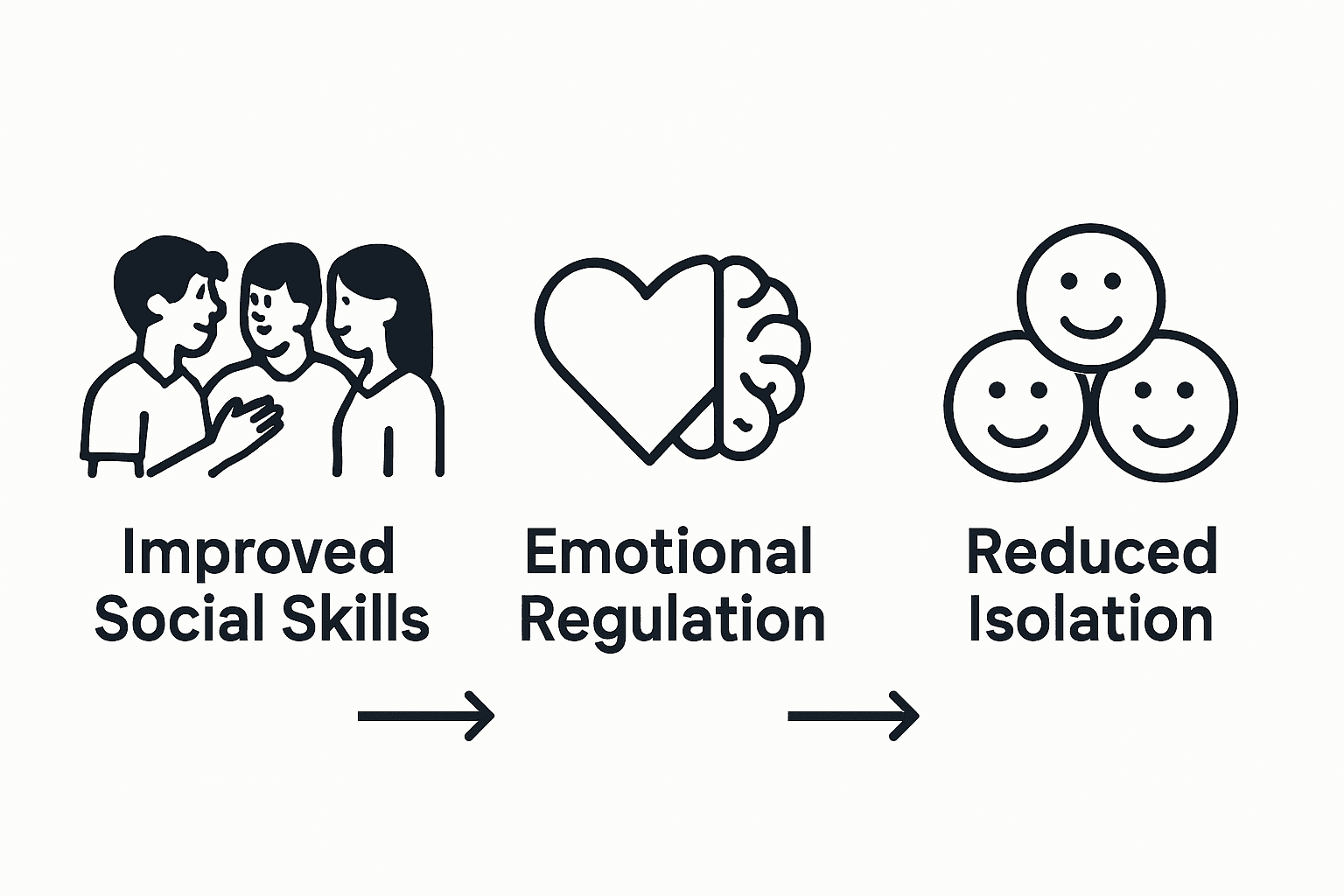
The primary benefits of group therapy for teens include enhanced social skills, improved emotional regulation, and reduced feelings of isolation. Participants learn critical interpersonal communication techniques, develop empathy, and practice healthy relationship building in a supportive environment. Scientific studies show that group therapy participants experience significant reductions in symptoms of depression, anxiety, and social withdrawal. These improvements are particularly notable because teens learn from peers who understand their experiences, creating a powerful normalization effect that helps reduce stigma and promotes authentic emotional expression.

Outcomes for teen group therapy participants extend beyond immediate symptom reduction. Long-term benefits include increased self-confidence, better stress management skills, and more effective coping mechanisms. Teenagers develop a stronger sense of personal identity, learn to challenge negative thought patterns, and build resilience through shared experiences. Empirical research indicates that these therapeutic groups can lead to sustained psychological improvements, with many participants showing continued positive growth even months after the initial intervention. By providing a collaborative and supportive space, group therapy helps teenagers transform personal challenges into opportunities for meaningful personal development.
Pro Tip for Teens and Parents: Approach group therapy as a collaborative journey of growth, understanding that vulnerability and shared experiences are powerful catalysts for personal transformation and emotional healing.
Group Leader Roles and Safety Protocols
Group therapy leaders play a critical role in creating safe, supportive environments for teenage participants, requiring specialized skills and strategic approaches to psychological facilitation. Understanding the role of therapists in adolescent counseling reveals the complex responsibilities these professionals manage during group sessions. Professional group leaders must balance multiple responsibilities, including emotional regulation, group dynamics management, and individual participant support.
The primary responsibilities of group therapy leaders involve establishing clear safety protocols and maintaining a structured, confidential environment. This includes setting explicit ground rules about respect, confidentiality, and appropriate communication. Group leaders must carefully screen participants to ensure compatibility, manage potential conflicts, and create a therapeutic atmosphere that encourages vulnerable yet safe emotional exploration. Specialized training in adolescent psychology enables therapists to recognize early warning signs, intervene appropriately during challenging interactions, and provide nuanced emotional guidance that respects each teenager’s unique developmental stage.
Technical expertise in group leadership requires advanced skills in emotional intelligence, conflict resolution, and developmental psychology. Group leaders must remain neutral yet supportive, using techniques that encourage participant engagement without becoming overly directive. They facilitate discussions, monitor group interactions, and intervene when necessary to prevent negative dynamics or protect individual participants. Effective leaders use a combination of active listening, empathetic response, and strategic questioning to help teenagers develop self-awareness, emotional regulation, and interpersonal skills. Their role extends beyond simple moderation, encompassing complex psychological guidance that supports adolescent mental health and social development.
Pro Tip for Group Leaders: Maintain professional boundaries while creating an authentically supportive environment, recognizing that your approach can significantly impact teenagers’ emotional growth and psychological resilience.
Alternatives and Choosing the Right Fit
Adolescent mental health treatment encompasses multiple therapeutic approaches beyond traditional group therapy, requiring careful consideration of individual needs and unique psychological profiles. Types of teen therapy parents need to understand highlight the diverse options available for supporting teenage psychological development. Selecting the most appropriate intervention involves assessing multiple factors, including the teenager’s specific challenges, personality, comfort level with group interactions, and existing support systems.
Alternative therapeutic interventions for teenagers include individual counseling, family therapy, online support platforms, and specialized one-on-one coaching. Each approach offers distinct advantages depending on the adolescent’s specific mental health needs. Individual counseling provides more personalized attention, family therapy addresses systemic relationship dynamics, and online platforms offer greater accessibility for teens who might feel uncomfortable with in-person interactions. Some teenagers may benefit from a combined approach, utilizing multiple therapeutic modalities to create a comprehensive support strategy that addresses their unique psychological landscape.
The following table summarizes how traditional group therapy compares to other popular adolescent mental health interventions:
| Method | Core Strength | Best Fit For |
|---|---|---|
| Group Therapy | Peer support & shared learning | Teens open to group interaction |
| Individual Counseling | Personalized, focused attention | Teens preferring privacy, unique concerns |
| Family Therapy | Addresses family dynamics | Teens facing home/relationship conflict |
| Online Support | Flexible, anonymous access | Teens uncomfortable with in-person sessions |
Choosing the right therapeutic approach requires a comprehensive evaluation of the teenager’s psychological profile, including their communication style, comfort with group settings, and specific mental health challenges. Factors to consider include the severity of psychological symptoms, previous treatment experiences, social support networks, and individual personality characteristics. Professionals recommend an initial comprehensive assessment that explores the teenager’s specific needs, potential triggers, and therapeutic goals. This personalized approach ensures that the selected intervention aligns closely with the teenager’s emotional requirements, maximizing the potential for meaningful psychological growth and emotional healing.
Pro Tip for Parents and Teens: Approach therapeutic interventions as collaborative explorations, remaining open to adjusting strategies and recognizing that finding the right mental health support is a dynamic, personalized journey.
Strengthen Social Skills and Emotional Resilience with Group Therapy for Teens
Navigating the challenges of adolescence can feel isolating and overwhelming, especially when teens struggle with emotional regulation and social connection. Group therapy offers a proven path to build vital social strengths, reduce feelings of isolation, and develop effective coping strategies in a safe and supportive environment. By participating in structured peer interactions, teens learn to express themselves, share experiences, and gain confidence alongside others facing similar challenges. If you are seeking a compassionate space for your teen’s growth, exploring Group Therapy for Healing and Growth can be a powerful first step.

Take the next step now to empower your teen with personalized support from experienced professionals who specialize in adolescent mental health. At Bergen County Therapist, Dr. Stephen Oreski and his team offer tailored treatment plans that connect teens with the right therapeutic approach. Discover more about effective Teen Therapy options designed to foster lasting emotional well-being.
Frequently Asked Questions
What is group therapy for teens?
Group therapy for teens is a therapeutic approach that provides adolescents with a supportive environment to share experiences, develop social skills, and build emotional resilience through peer interactions.
What are the benefits of group therapy for adolescents?
Group therapy offers numerous benefits, including enhanced social skills, improved emotional regulation, reduced feelings of isolation, and the development of coping mechanisms through shared experiences with peers who understand their challenges.
How does the group therapy process work for teens?
Typically, 6-10 teenagers meet regularly with one or two trained mental health professionals, participating in structured discussions and activities designed to foster emotional safety and facilitate personal growth.
What types of group therapy formats are available for teens?
Common formats include skill-building groups focusing on coping strategies, process-oriented groups for emotional exploration, themed intervention groups addressing specific issues, and psychoeducational groups to educate teens about mental health concepts.
Recommended
- Teen Therapy: Promoting Resilience and Growth – Dr. Stephen Oreski & Associates
- 7 Types of Teen Therapy Parents Need to Know About
- Teen Therapy Approaches for Mental Health Support – Dr. Stephen Oreski & Associates
- Role of Family Therapy for Teens – Positive Change Explained
- Ruolo Della Famiglia Nell’ADHD – Strategie Efficaci a Casa – Sara Conti