
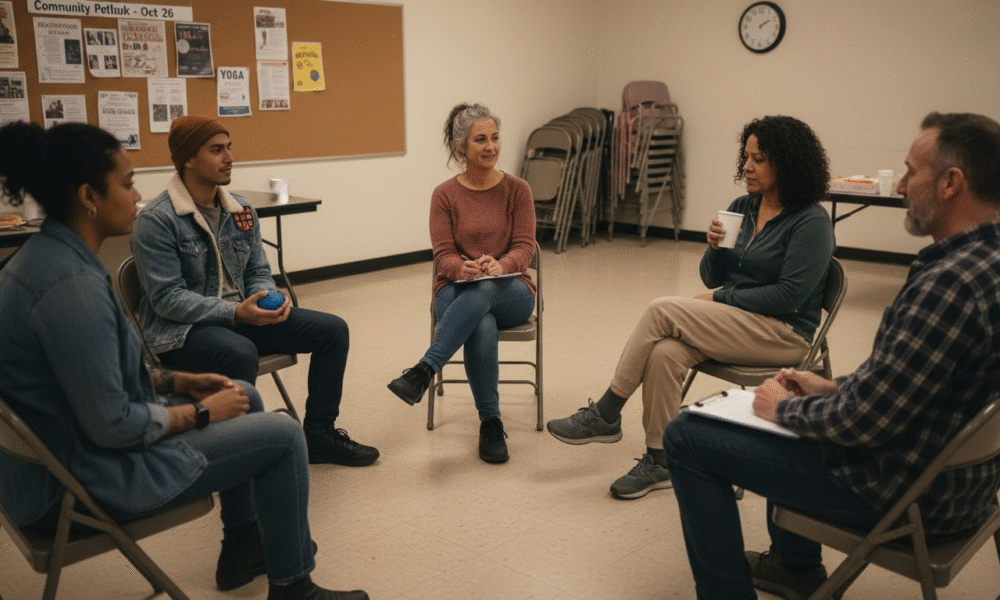
Over half of American adults will experience trauma at some point, yet many struggle to find support that truly leads to recovery. Confronting the aftermath on your own can feel isolating and overwhelming. Group therapy for trauma changes this by connecting you with others who understand your journey and offering professional guidance in a safe setting. Discover how collective healing dynamics can reduce isolation, anxiety, and help you rebuild meaningful connections.
Overview of Trauma Group Therapy Topics and Sessions
- Defining Group Therapy for Trauma
- Types of Trauma-Focused Group Sessions
- How Group Therapy Sessions Work
- Key Roles and Responsibilities in Groups
- Risks, Limitations, and Alternatives
Key Takeaways
| Point | Details |
|---|---|
| Trauma Group Therapy Benefits | Group therapy provides participants with a supportive environment to share experiences and develop healthier coping strategies, reducing feelings of isolation. |
| Structured Sessions | Each session follows a structured format aimed at ensuring emotional safety, incorporating therapeutic techniques and guided discussions. |
| Facilitator’s Role | The facilitator plays a crucial role in managing group dynamics and ensuring a safe space for all participants, fostering mutual respect and trust. |
| Consideration of Alternatives | Group therapy may not be suitable for everyone; individuals should evaluate their needs and consider alternatives like individual therapy or specialized treatment modalities. |
Defining Group Therapy for Trauma
Group therapy for trauma represents a powerful healing approach where individuals who have experienced similar psychological wounds come together under professional guidance to support mutual recovery. Unlike individual therapy, this method leverages collective healing dynamics to help participants process difficult experiences, reduce isolation, and develop healthier coping strategies.
In a typical group therapy setting for trauma, participants meet regularly with a trained mental health professional who facilitates discussion and provides therapeutic structure. Trauma therapy techniques help participants explore their experiences safely, share insights, and learn from each other’s healing journeys. The group creates a collaborative environment where members can validate each other’s experiences and challenge destructive thought patterns that often accompany traumatic memories.
The therapeutic benefits of group trauma therapy are multifaceted. Participants learn they are not alone in their struggles, which can dramatically reduce feelings of shame and isolation. Group settings also provide opportunities to practice communication skills, rebuild trust, and develop social connections in a controlled, supportive environment. Participants often report feeling empowered by witnessing others’ resilience and progress, which can inspire their own healing process.
Group therapy sessions typically follow a structured format, with clear guidelines to ensure emotional safety. Trained therapists help manage group dynamics, prevent re-traumatization, and create a respectful, compassionate space for healing. Members are encouraged to share at their own comfort level, with no pressure to disclose more than they feel ready to explore.
Pro Tip – Group Safety First: Always verify the credentials of group therapy facilitators and ensure the program specializes in trauma-informed care before joining a therapeutic group.
Types of Trauma-Focused Group Sessions
Trauma-focused group therapy encompasses several specialized approaches designed to address diverse psychological healing needs. Each type of group session targets specific traumatic experiences, creating tailored environments where participants can process complex emotional landscapes with professional guidance and peer support.
One prominent approach is Cognitive-Behavioral Trauma Group Therapy, which helps participants reframe traumatic memories and develop healthier thought patterns. These PTSD therapy options typically involve structured cognitive restructuring techniques that enable individuals to challenge negative beliefs stemming from their traumatic experiences. Participants learn practical coping strategies, emotional regulation skills, and methods to interrupt destructive thought cycles that perpetuate psychological distress.
Specialized trauma groups also exist for distinct populations, each addressing unique psychological challenges. Combat veterans might participate in groups focused on military trauma, while sexual assault survivors could engage in sessions specifically designed to process sexual violence experiences. Adolescent trauma therapy groups provide age-appropriate interventions that consider developmental stages and teenage psychological dynamics, helping young individuals rebuild emotional resilience.
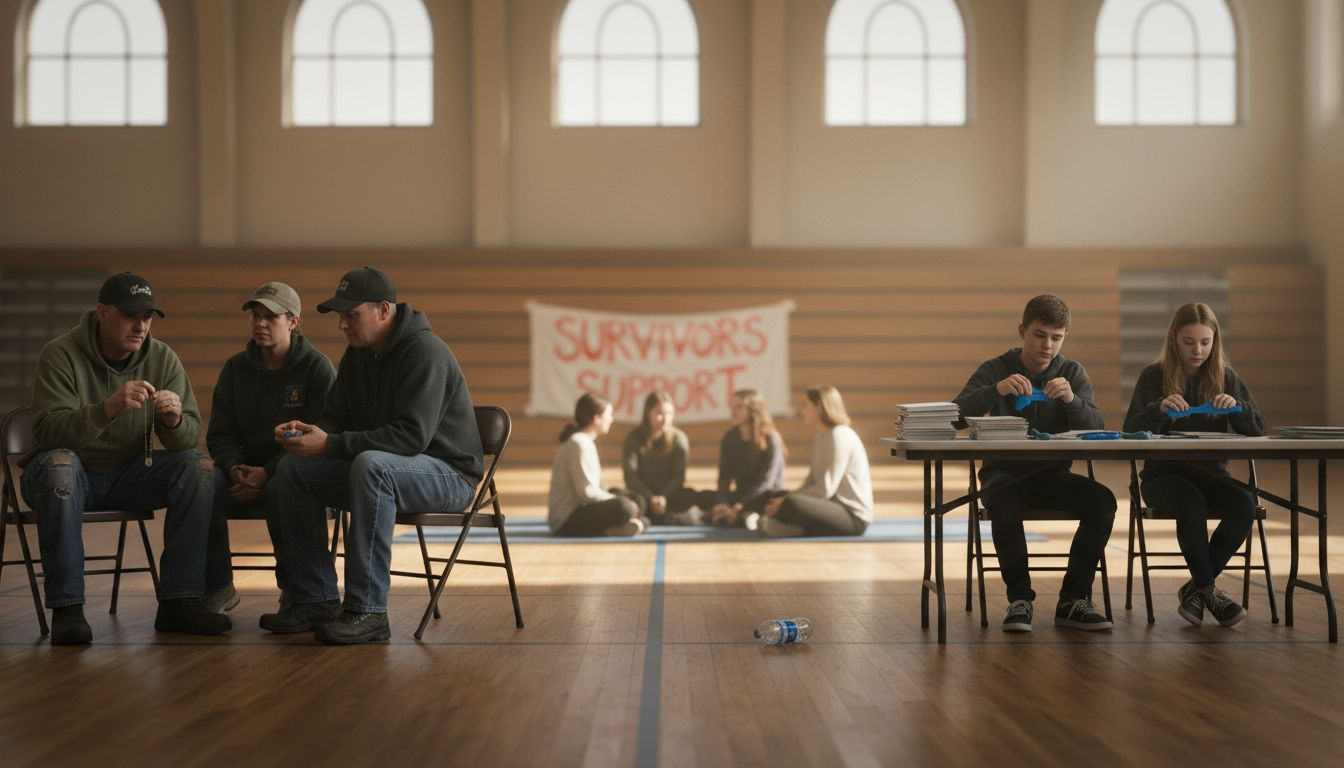
Trauma-informed group sessions generally follow evidence-based protocols that prioritize participant safety and emotional well-being. These groups often incorporate multiple therapeutic modalities, including narrative therapy, mindfulness techniques, and experiential learning. The goal is not just symptom management but comprehensive healing that empowers individuals to reclaim their sense of agency and reconstruct positive self-narratives.
Here’s a comparison of common trauma-focused group approaches:
| Group Type | Main Focus | Target Audience |
|---|---|---|
| Cognitive-Behavioral Group | Reframing thoughts, coping strategies | Adults with PTSD or anxiety |
| Military Trauma Group | Processing combat-related trauma | Current and former military personnel |
| Sexual Assault Survivors Group | Support and healing from assault | Individuals who experienced sexual violence |
| Adolescent Trauma Group | Age-appropriate resilience skills | Teens with trauma history |
| Mindfulness-Based Group | Emotional regulation, stress relief | Adults seeking holistic recovery |
Pro Tip – Group Selection: Research group therapy options thoroughly and consult with a mental health professional to find a trauma group that matches your specific psychological needs and comfort level.
How Group Therapy Sessions Work
Group therapy sessions for trauma survivors follow a carefully structured framework designed to create a safe, supportive environment where healing can occur. Unlike individual therapy, these sessions leverage collective experiences and shared emotional landscapes to help participants process complex psychological wounds through guided interaction and professional facilitation.
A typical group therapy session begins with establishing clear ground rules that prioritize emotional safety and respect. Group therapy effectiveness depends on creating a non-judgmental space where participants feel comfortable sharing their experiences. The therapist acts as a facilitator, guiding discussions, managing group dynamics, and ensuring that no single participant dominates the conversation or triggers additional trauma for others.
The session structure typically involves a combination of guided discussion, therapeutic techniques, and interactive activities. Participants might engage in structured exercises like narrative sharing, where individuals have the opportunity to articulate their experiences in a controlled setting. Some sessions incorporate cognitive-behavioral techniques, helping group members identify and challenge negative thought patterns related to their traumatic experiences. Mindfulness practices, breathing exercises, and emotional regulation skills are often integrated to provide practical coping mechanisms that participants can apply in their daily lives.
Confidentiality forms the cornerstone of group therapy sessions, creating a foundation of trust that allows participants to speak openly without fear of judgment or exposure. Each session typically lasts between 60 to 90 minutes, with groups ranging from 6 to 12 participants who share similar traumatic experiences or therapeutic goals. Some groups are ongoing, while others follow a specific curriculum with a defined number of sessions, allowing participants to progress through structured healing stages.
Pro Tip – Active Participation: Approach group therapy with an open mind and willingness to listen and share, understanding that healing is a collaborative journey where everyone’s experience contributes to collective growth.
Key Roles and Responsibilities in Groups
Trauma group therapy involves complex interactions between multiple participants, each with distinct roles and responsibilities crucial to creating a supportive healing environment. The intricate dynamics require careful navigation to ensure emotional safety, mutual respect, and therapeutic progress for all involved.
The primary facilitator, typically a licensed mental health professional, shoulders the most significant responsibility in guiding the group’s therapeutic journey. Different types of psychotherapy demonstrate that the facilitator’s role extends beyond simple discussion management. They must create a safe space, monitor group interactions, prevent potential re-traumatization, manage emotional triggers, and ensure each participant feels heard and validated. This requires exceptional skills in active listening, emotional intelligence, and crisis intervention.
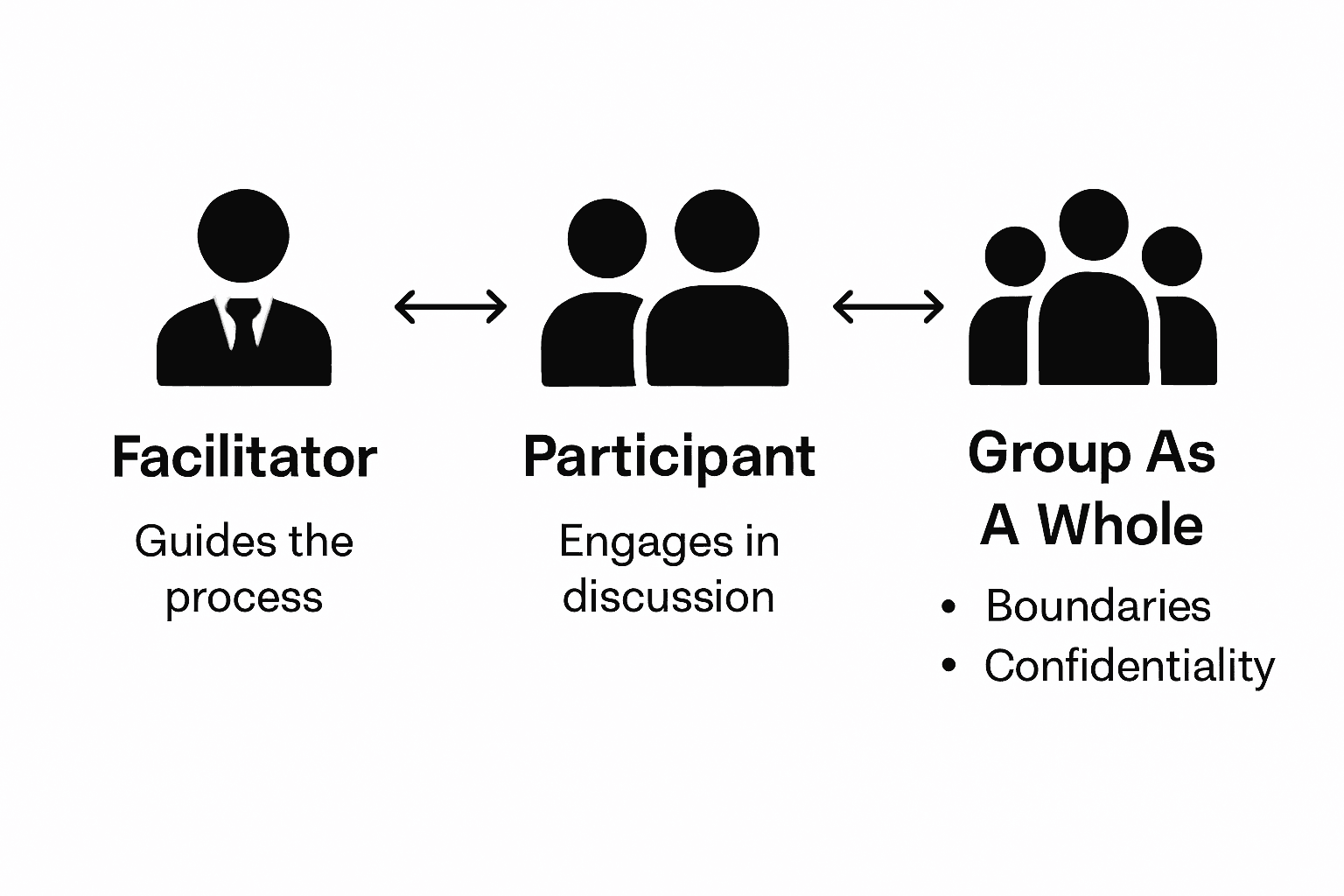
Participants also carry critical responsibilities within the group setting. Each member is expected to maintain confidentiality, respect others’ experiences, and contribute to a supportive atmosphere. Active participation involves listening empathetically, offering non-judgmental support, and sharing personal insights when comfortable. Some group members might naturally emerge as informal peer supporters, helping to create a sense of community and mutual understanding. However, it’s essential that these organic support roles do not replace the professional guidance of the trained therapist.
The group as a collective entity has its own set of responsibilities, including establishing and maintaining clear boundaries, creating a judgment-free environment, and supporting individual and collective healing processes. Successful trauma groups develop unspoken but powerful norms of mutual respect, emotional safety, and collaborative growth. Each participant contributes to this environment by being present, authentic, and committed to personal and collective healing.
To clarify roles, here is a summary of core group therapy responsibilities:
| Role | Responsibilities | Impact on Group |
|---|---|---|
| Facilitator | Guides discussion, ensures safety | Maintains structure and emotional security |
| Participant | Respects others, shares experiences | Builds trust, fosters mutual support |
| Group as Whole | Upholds boundaries, supports healing | Creates a collaborative growth environment |
Pro Tip – Boundary Setting: Clearly communicate your personal boundaries and comfort levels within the group, and respect the boundaries of other participants to create a safe, supportive therapeutic environment.
Risks, Limitations, and Alternatives
While group therapy offers powerful healing opportunities, it is not a universal solution for every trauma survivor. Understanding the potential risks, inherent limitations, and available alternatives helps individuals make informed decisions about their mental health treatment approach.
Group therapy presents several potential risks that participants must carefully consider. The shared nature of trauma discussions can sometimes trigger unexpected emotional responses or re-traumatization. Mental health between therapy sessions becomes crucial when processing intense group interactions. Some individuals might find group environments overwhelming, particularly those with severe social anxiety or complex trauma histories. The dynamics of group interactions can be unpredictable, and not every participant will feel equally comfortable sharing or receiving feedback in a collective setting.
Limitations of group trauma therapy include challenges with individualized attention and potential mismatched treatment approaches. Unlike one-on-one therapy, group sessions cannot provide deeply personalized interventions for each participant’s unique psychological landscape. Some trauma survivors might require more intensive, specialized treatment that group formats cannot fully address. Factors such as personality dynamics, varying trauma backgrounds, and individual emotional readiness can significantly impact the effectiveness of group therapeutic experiences.
Alternative treatment options provide crucial flexibility for trauma survivors. Individual therapy offers more focused, personalized healing approaches. Intensive one-on-one counseling allows for deeper exploration of personal trauma narratives and more tailored therapeutic techniques. Other alternatives include specialized trauma treatment modalities like Eye Movement Desensitization and Reprocessing (EMDR), cognitive-behavioral therapy, and trauma-focused cognitive behavioral therapy. Some individuals might benefit from a hybrid approach, combining group sessions with individual counseling to create a comprehensive healing strategy.
Pro Tip – Personal Assessment: Carefully evaluate your emotional capacity, comfort with group settings, and specific therapeutic needs before committing to group trauma therapy, and remain open to adjusting your treatment approach as you progress.
Discover Support and Healing Through Trauma-Focused Group Therapy
Living with the weight of trauma can feel isolating and overwhelming. The article highlights how group therapy offers a safe, structured space where individuals can connect, share, and rebuild trust while learning effective coping strategies. If you find yourself struggling with feelings of shame, loneliness, or emotional triggers, joining a trauma-focused group can be a vital step toward healing alongside others who understand your experience. The supportive environment and expert facilitation discussed align closely with the compassionate care provided by Dr. Stephen Oreski and his team.
Explore tailored group therapy options that match your specific needs and psychological goals by visiting our Group Therapy for Healing and Growth and Trauma / PTSD Archives. Taking part in these carefully guided sessions can empower you to reclaim your sense of agency and build lasting connections.

Ready to take the next step toward recovery with expert guidance and a caring community? Visit https://bergencountytherapist.com to schedule a free consultation and discover trauma-informed group therapy options designed for your healing journey.
Frequently Asked Questions
What is group therapy for trauma?
Group therapy for trauma is a healing approach where individuals with similar psychological experiences come together to support each other under the guidance of a trained mental health professional. It utilizes collective healing dynamics to promote recovery and develop healthier coping strategies.
How does group therapy work for trauma survivors?
Group therapy sessions involve establishing emotional safety, facilitated by a therapist who guides discussions and activities. Participants share experiences and engage in therapeutic exercises, creating a supportive environment for healing and growth.
What types of trauma-focused group therapy sessions are available?
There are various types of trauma-focused group sessions, including Cognitive-Behavioral Group Therapy, Military Trauma Groups, Sexual Assault Survivors Groups, and Adolescent Trauma Groups. Each type targets specific traumatic experiences and psychological needs.
What are the potential risks of participating in group therapy for trauma?
While group therapy can be beneficial, potential risks include emotional triggers or re-traumatization during discussions. It may not suit everyone, particularly those with severe social anxiety or unique therapeutic needs that individual therapy might better address.