

TL;DR:
- Childhood trauma often manifests through behavioral, emotional, or sleep changes, not explicit words.
- Early identification and intervention improve long-term mental and physical health outcomes for children.
- Trauma signs vary by age and can be delayed or subtle, requiring careful observation and professional assessment.
Childhood trauma is one of those things most parents assume they’d recognize immediately. The reality is far more complicated. Children rarely say “something bad happened to me” in plain words. Instead, they show you through behavior, sleep patterns, and emotional shifts that are easy to dismiss as phases or personality quirks. Over two-thirds of children experience at least one traumatic event by age 16, yet many go unidentified for years. As a parent or caregiver in Bergen County, knowing what to look for, and when to act, can genuinely change the course of your child’s life.
Table of Contents
- What is childhood trauma and why does it matter?
- Age-specific signs of childhood trauma: What to watch for
- Lesser-known and delayed signs: What caregivers often miss
- How trauma is assessed: Tools and best practices for families
- Key predictors: When to seek professional help
- Our perspective: What most guides get wrong about trauma signs
- How Bergen County families can find trauma-informed support
- Frequently asked questions
Key Takeaways
| Point | Details |
|---|---|
| Signs vary by age | Children show different trauma signals at each stage, from nightmares in preschoolers to withdrawal and risk-taking in teens. |
| Subtle signs matter | Not all trauma responses are obvious; watch for changes in mood, appetite, school performance, or routines. |
| Emotional abuse is critical | Even rare emotional abuse can be a strong predictor of ongoing distress and needs careful attention. |
| Professional assessment helps | Validated screening tools and trauma-informed professionals can clarify if a child needs intervention. |
What is childhood trauma and why does it matter?
Childhood trauma refers to any experience that overwhelms a child’s ability to cope, leaving them feeling helpless, frightened, or unsafe. It is not limited to dramatic events. Trauma can be a single incident or a pattern of experiences that erodes a child’s sense of security over time.
Adverse childhood experiences, commonly called ACEs, are among the most studied trauma sources. ACEs can include abuse, neglect, community violence, household dysfunction, or the loss of a parent. The range is wide, which is part of why trauma so often goes unrecognized. A child who witnesses domestic conflict at home or experiences bullying at a Bergen County school may not fit the “classic” trauma picture, but the impact is just as real.
The numbers are striking. Research shows 62% of US children experience trauma by adulthood. That is not a small subset. That is the majority of children growing up around us.
Why early identification matters so much:
- Untreated trauma rewires how the brain processes stress, fear, and relationships
- Children who receive early support show significantly better long-term outcomes
- Trauma left unaddressed increases risk for anxiety, depression, and substance use in adulthood
- Physical health is also affected, including higher rates of chronic illness
- Early intervention protects academic performance and social development
Understanding the child abuse effects on adult survivors makes clear just how long the shadow of childhood trauma can stretch. The goal is to shorten that shadow, and the earlier you act, the better the outcome.
Key insight: Trauma is not defined by the event itself but by the child’s internal experience of it. Two children can go through the same situation and respond very differently based on their temperament, support system, and prior experiences.
Age-specific signs of childhood trauma: What to watch for
Signs of traumatic stress vary by age group, which is why a one-size-fits-all checklist rarely works. A five-year-old and a fifteen-year-old will express the same internal distress in completely different ways.
| Age group | Common trauma signs |
|---|---|
| Preschool (ages 2 to 5) | Regression to bedwetting or thumb-sucking, separation anxiety, nightmares, loss of speech milestones |
| Elementary (ages 6 to 11) | Difficulty concentrating, physical complaints (stomachaches, headaches), irritability, fear of recurrence |
| Adolescents (ages 12 to 18) | Withdrawal from friends, risky behavior, academic decline, depression, anger outbursts |
For younger children, regression is one of the clearest signals. A four-year-old who was fully toilet-trained suddenly wetting the bed again is not being difficult. That child may be communicating distress the only way they know how. In Bergen County preschools and daycare settings, teachers often notice these shifts before parents do, so staying in close contact with your child’s educators matters.
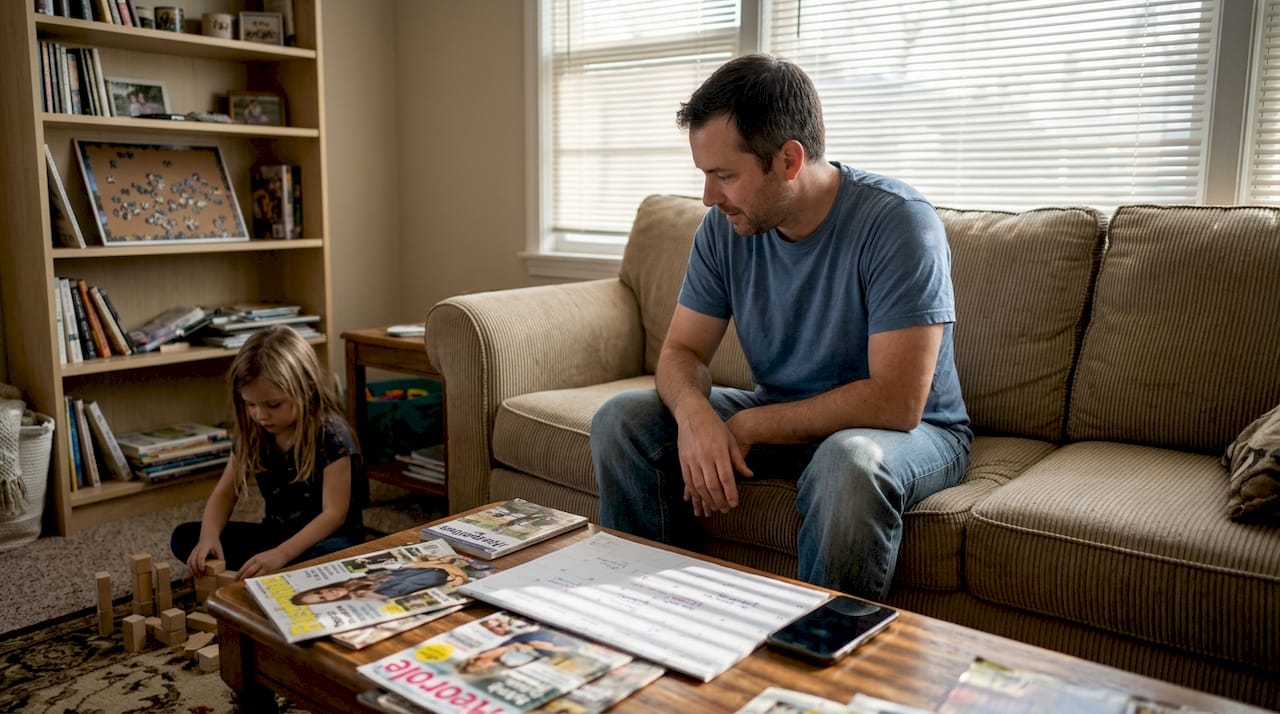
Elementary-age children tend to become hypervigilant. They may ask repeatedly whether something bad will happen again, struggle to focus in class, or develop new physical complaints with no medical explanation. These kids often appear “worried” without being able to name why.
Teens are the trickiest group. Their signs can look like normal adolescent behavior, which is exactly why trauma gets missed. Withdrawal, mood swings, and academic slipping are easy to attribute to puberty. But when these changes are sudden, persistent, or tied to a specific event, they deserve closer attention.
Pro Tip: Keep a simple journal of behavioral changes you notice, including when they started and whether anything significant happened around that time. Patterns over weeks are far more telling than a single bad day.
Learning about therapy approaches for childhood trauma can also help you understand what recovery looks like at each stage.
Lesser-known and delayed signs: What caregivers often miss
Beyond the obvious, many trauma responses are delayed or so subtle even tuned-in parents might overlook them. This is one of the most important things to understand: trauma does not always show up right away.
Symptoms can emerge after significant delay or be triggered by reminders, sometimes months after the original event. A child who seemed fine after a car accident may suddenly develop sleep problems when a family member gets a new car. The trigger does not have to be obvious.
Subtle signs that often get missed:
- Sudden loss of interest in previously loved activities
- Increased clinginess or, conversely, emotional detachment
- Unexplained changes in eating habits
- New fears that seem unrelated to anything specific
- Difficulty making decisions or increased self-doubt
- Unusual irritability or crying with no clear cause
- Decline in personal hygiene in older children and teens
- Increased physical complaints like headaches or stomachaches
“Delayed reactions are common, and cumulative ACEs raise the risk of PTSD fivefold.” This is why a single event should not be your only frame of reference. A child who has experienced multiple smaller stressors may be far more vulnerable than one who experienced a single, more visible trauma.
The emotional abuse effects on mental health are especially easy to miss because emotional abuse leaves no visible marks. Children who experience this type of trauma often internalize the message that they are the problem, making them less likely to disclose what happened.
Pro Tip: If your child’s behavior changed noticeably after a family transition, school change, or even a news event they may have overheard, take that timing seriously. Context is everything.
How trauma is assessed: Tools and best practices for families
Recognizing possible signs is step one. Here is what professional assessment looks like and how parents can help make it effective.
Validated tools like the UCLA PTSD Reaction Index are standard in trauma screening, and cultural sensitivity is central to good assessment. A child’s background, family structure, and community context all shape how trauma presents and how it should be addressed.
Common screening tools used by professionals:
| Tool | Best suited for |
|---|---|
| UCLA PTSD Reaction Index | School-age children and adolescents |
| Child PTSD Symptom Scale | Ages 8 to 18 |
| Trauma Symptom Checklist for Children | Ages 8 to 16 |
| Ages and Stages Questionnaire | Early childhood |
How parents can support effective assessment:
- Write down specific behavioral changes you have observed, including dates and context
- Share relevant family history, including any known stressors or changes at home
- Ask the clinician how cultural background will be considered in the evaluation
- Bring your child’s teacher’s observations if available
- Be honest about your own stress levels, since parental anxiety can affect how children present
Understanding child trauma therapy from the start helps you ask better questions and feel more confident in the process. A good clinician will not just assess your child in isolation. They will look at the whole family system.
Pro Tip: Before your child’s first appointment, have a calm, age-appropriate conversation about what therapy is. Frame it as talking to someone who helps kids with big feelings, not as something being done because they are in trouble.
Key predictors: When to seek professional help
Understanding which children are most at risk can help families get help before problems escalate. Not every behavioral change requires professional intervention, but some signs are clear indicators that outside support is needed.
Emotional abuse, especially when frequent, is a powerful predictor of lasting distress in children. This is significant because emotional abuse is often minimized, both by adults who witness it and by the children who experience it. Understanding what emotional abuse actually looks like is the first step toward taking it seriously.
Seek professional support when you notice:
- Symptoms that persist for more than four weeks after a stressful event
- Significant changes in school performance or peer relationships
- Any mention of self-harm, hopelessness, or not wanting to be alive
- Extreme emotional reactions that seem disproportionate to the situation
- Physical complaints with no medical explanation that persist over time
- A child who refuses to talk about or completely avoids anything related to a past event
- Sudden personality changes that feel like you are living with a different child
Cumulative ACEs significantly raise the stakes. A child who has experienced two or three adverse events is not simply twice as vulnerable as a child with one. Risk compounds in ways that make early professional involvement essential. Exploring trauma therapy for children early, rather than waiting to see if things improve on their own, is almost always the better choice.
Trust your instincts as a caregiver. You know your child. If something feels off, that feeling is worth exploring with a professional.
Our perspective: What most guides get wrong about trauma signs
Most trauma guides hand you a checklist and send you on your way. We think that approach, while well-intentioned, can actually mislead parents. Checklists suggest that trauma looks predictable. It rarely does.
In our experience working with Bergen County families, the children who fall through the cracks are often the ones who do not fit the list. They are the quiet kids who internalize everything, the high-achievers who use performance as a coping mechanism, or the children whose trauma happened gradually rather than in one identifiable moment.
The real skill is not memorizing signs. It is learning to notice gradual shifts in your child’s baseline. That requires presence, consistency, and open communication at home. Bergen County has strong community resources, including school counselors and local family support programs, that can be part of this picture too.
We also believe that adolescent trauma therapy works best when parents are actively involved, not just as observers but as partners in the healing process. The families who see the best outcomes are the ones who stay curious, stay connected, and are willing to seek help without shame.
How Bergen County families can find trauma-informed support
If something in this article made you think about your own child, that instinct is worth honoring. You do not need certainty to reach out for help. Concern is enough.

At Bergen County Therapist, Dr. Stephen Oreski and his team specialize in childhood trauma therapy approaches that are evidence-based, culturally sensitive, and tailored to each child’s needs. Whether you are exploring psychotherapy options for the first time or looking for a better fit for your family, we offer free consultations to help you find the right path. Take the first step and begin therapy for your child today. Early support is not overreacting. It is good parenting.
Frequently asked questions
What is the most common sign of childhood trauma?
Anxiety, withdrawal, and aggression are among the most commonly reported signs, but how they appear depends heavily on the child’s age and individual temperament.
How soon do symptoms of trauma show up in children?
Some children show signs within days of a traumatic event, while others may not develop noticeable symptoms until weeks or months later, particularly when symptoms emerge after triggers remind them of the experience.
Can emotional abuse cause trauma symptoms even if it’s rare?
Yes. Even occasional emotional abuse is a meaningful risk factor. Frequency and severity both matter, but research confirms that emotional abuse at any level can produce lasting distress in children.
What should I do if I suspect my child has experienced trauma?
Maintain open, calm communication, keep daily routines as stable as possible, and consult a trauma-informed mental health professional. Routines and professional help are both essential components of a child’s recovery.