

TL;DR:
- Practical stress management includes mindfulness, exercise, gratitude, social support, and nature exposure.
- Starting with one simple habit and building consistently is more effective than complex routines.
- Professional therapy is available if self-help strategies don’t reduce stress or if it disrupts daily life.
Bergen County life moves fast. Between long commutes on the Garden State, demanding jobs, family responsibilities, and the constant buzz of notifications, stress can pile up faster than you can manage it. Research confirms that chronic stress triggers serious health risks, yet most adults sort through mountains of contradictory advice before finding what actually works. This article cuts through the noise and offers practical, research-backed strategies tailored to the realities of life in Bergen County.
Table of Contents
- identifying your biggest stress triggers
- tried-and-true stress management strategies
- mindfulness and gratitude: rapid benefits for busy adults
- cognitive and behavioral strategies: change your response to stress
- putting it all together: building your personalized stress solution
- Our expert take: what actually works in Bergen County
- How to get more support for stress management
- frequently asked questions
Key Takeaways
| Point | Details |
|---|---|
| Pinpoint your triggers | Recognizing specific stressors helps you choose the right coping strategies. |
| Mix and match techniques | Combining mindfulness, gratitude, social support, and cognitive strategies gives the best results. |
| Start small for lasting change | Adopting even one easy strategy, like mindful breathing or short walks, can have a significant impact. |
| Community and nature matter | Connecting with others and spending time in nature are powerful, often overlooked stress-busters. |
| Get professional help if needed | If stress is interfering with your life, therapy can provide effective tools and support. |
identifying your biggest stress triggers
Before you can manage stress, you need to know where it’s coming from. For many Bergen County adults, the most common culprits look familiar: a grinding commute on Route 4 or I-95, pressure at work, difficult family dynamics, financial worries, and uncertainty about the future. These aren’t abstract problems. They’re daily realities.
Stress doesn’t always announce itself clearly. It often shows up as:
- Physical symptoms: headaches, tight shoulders, disrupted sleep, or stomach issues
- emotional signs: irritability, persistent worry, difficulty concentrating, or feeling overwhelmed
- behavioral shifts: skipping exercise, eating poorly, or withdrawing from friends and family
When these signals pile up, it’s your body sounding an alarm. The HPA axis (your brain’s stress response system) floods your body with cortisol when you’re under pressure. Short bursts of cortisol are fine, even useful. But when stress is chronic, elevated cortisol damages your cardiovascular system, weakens immunity, and disrupts mental health. Understanding stress’s physiological impact on the body helps explain why letting stress go unchecked has real consequences, not just emotional ones.
Pro tip: Keep a stress log for one week. Each time you feel tense or overwhelmed, jot down the trigger, time of day, and how your body feels. After seven days, patterns emerge that make your personalized plan much easier to build.
tried-and-true stress management strategies
Once you’ve pinpointed your stressors, here are the leading, proven ways to respond. The good news? You don’t need a huge time commitment to see results.
| Strategy | Key benefit | Bergen County fit** |
|---|---|---|
| mindfulness | lowers perceived stress | Short sessions during your commute or lunch break |
| exercise | reduces cortisol, boosts mood | Local parks, trails, gyms throughout the county |
| CBT | changes negative thought patterns | Available through local therapists and online |
| gratitude practice | builds resilience | A two-minute daily habit, anywhere |
| social support | buffers against stress | Community groups, family, neighbors |
| nature exposure | calms the nervous system | Easy access to parks and green spaces locally |
Mayo clinic research confirms that building resilience through gratitude, mindfulness, exercise, social support, and nature exposure are seven of the most effective strategies available. The key is matching each strategy to your actual schedule and lifestyle. You’ll find solid mental health tips that can help you start small and stay consistent.
Studies using validated resiliency training show that structured programs combining these elements outperform single-strategy approaches, meaning mixing two or three methods works better than relying on just one.
mindfulness and gratitude: rapid benefits for busy adults
Among many strategies, mindfulness and gratitude stand out for busy adults because they are quick, flexible, and strongly backed by research.
Mindfulness means paying deliberate attention to the present moment without judging it. When you’re stressed, your mind is usually in the future (worrying) or the past (rehashing). Even five minutes of focused breathing interrupts that cycle.
Here’s how to start right now:
- Find a quiet spot for even five minutes. Your parked car counts.
- breathe in for four counts, hold for four, exhale for six.
- Notice your body. What do you feel in your shoulders, chest, jaw?
- Return gently when your mind wanders. That’s the practice, not a failure.
- Build up gradually. Try a mindful walk through a local park a few times a week.
For gratitude, the “3 good things” method is simple: each day, write down three specific things that went well. Not “my family” in general, but “my daughter laughed at breakfast this morning.”
A meta-analysis published in Nature found that mindfulness-based interventions consistently outperform control conditions in reducing perceived stress, across diverse populations and settings.
The mental health benefits of gratitude journals are well-documented, and the habit takes under three minutes a day.
Pro tip: Stack your gratitude practice onto your existing commute or bedtime routine. You’re far more likely to stick with a habit when it attaches to something you already do.
cognitive and behavioral strategies: change your response to stress
For many people, changing how you think or respond can make stress more manageable long-term.
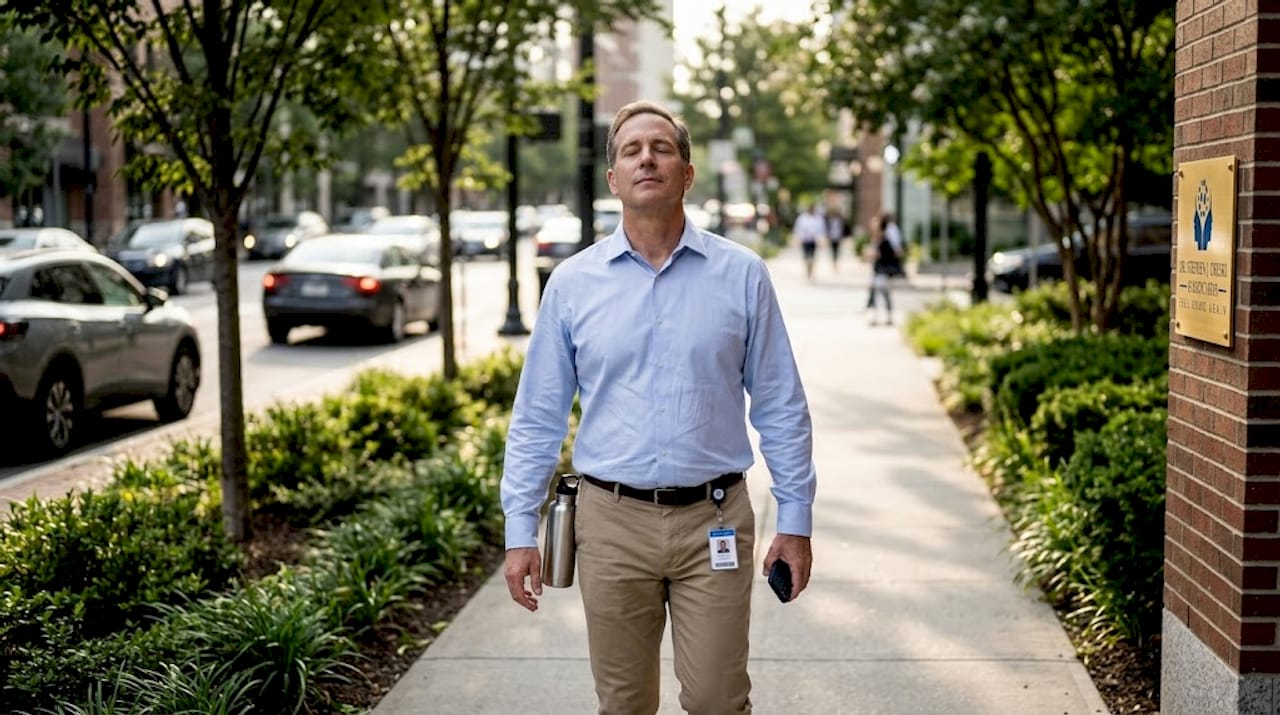
Cognitive behavioral therapy (CBT) is a structured, evidence-based approach that targets the connection between your thoughts, feelings, and behaviors. When stress hits, your mind often jumps to worst-case scenarios. CBT teaches you to catch those thoughts and examine them honestly. CBT corrects negative thoughts and behaviors, making it highly effective for stress and anxiety.
| Feature | CBT | mindfulness |
|---|---|---|
| Core focus | restructuring negative thoughts | Present-moment awareness |
| Time to results | weeks to months | Days to weeks |
| Best for | recurring, specific stressors | Daily tension and emotional regulation |
| Format | often with a therapist | Self-directed or guided |
CBT techniques you can try:
- Challenge the thought. Is that catastrophic assumption actually likely?
- exposure practice. Face a small, manageable version of what stresses you.
- skill-building. Practice assertive communication or time management step by step.
For a Bergen County example: you’re dreading a difficult performance review. CBT helps you separate the facts (“my manager has some concerns”) from the catastrophe (“I’m going to lose my job and everything will fall apart”). Learning more about cognitive restructuring through a CBT guide can help you apply these tools to real situations.
putting it all together: building your personalized stress solution
With the main strategies explored, here’s how to build a routine that fits your real life.
The goal isn’t to do everything. It’s to do two or three things consistently. Consider this sample weekly framework:
| Day | Strategy | Time needed |
|---|---|---|
| Monday | Five-minute breathing + gratitude journal | 10 minutes |
| Wednesday | Walk in a local park | 20 minutes |
| Friday | Check in with a friend or family member | 15 minutes |
| Weekend | One leisure activity you genuinely enjoy | 30 to 60 minutes |
Steps to get started this week:
- Pick one strategy from the sections above that fits your schedule.
- Set a specific time and place for it (specificity doubles follow-through).
- Track how you feel before and after for two weeks.
- Add a second strategy only after the first feels natural.
APA recommends social support, mindfulness, exercise, pacing, and focusing on controllable factors especially for workplace stress. For more detailed stress reduction tips built around professional life, that resource offers practical ideas you can use Monday morning.
If self-strategies aren’t moving the needle, that’s valuable information too. resiliency strategies work best when combined with professional guidance when stress has become chronic or disruptive.
Our expert take: what actually works in Bergen County
Here’s the honest truth we’ve seen working with Bergen County adults: most stress management advice fails not because it’s wrong, but because it’s overwhelming. People read a list of ten strategies and implement zero of them.
Simplicity and consistency beat complexity every time. One five-minute breathing practice done daily beats an elaborate wellness plan done twice a year. We also see that Bergen County’s natural assets, its parks, trails, and quieter neighborhoods, are dramatically underused as stress tools. A 15-minute walk outside isn’t just pleasant. It’s measurably effective.
Our advice: start with one easy habit and protect it. Review more mental health tips once you’re ready to build from there.
Pro tip: Schedule two or three micro-breaks outdoors each week. Put them on your calendar like appointments. The cumulative effect over a month is significant.
How to get more support for stress management
Sometimes self-help strategies aren’t enough, and that’s completely okay.

When stress starts affecting your sleep, relationships, work performance, or physical health, working with a trained therapist makes a real difference. At Bergen County therapist, Dr. Stephen oreski and his team offer personalized support through a range of psychotherapy options both in-person and online. Whether you’re curious about CBT, mindfulness-based therapy, or want to explore the types of psychotherapy available, a free consultation can help you figure out exactly where to start.
frequently asked questions
What is the fastest way to reduce stress right now?
Mindful deep breathing (four counts in, six counts out) and a five-minute walk outside can reduce perceived stress quickly. Both are accessible anywhere and require no equipment.
How do I know if I should talk to a therapist for stress?
If stress is disrupting your sleep, relationships, or daily functioning, professional help is recommended and can prevent more serious mental health impacts over time.
What’s the difference between mindfulness and CBT for stress?
Mindfulness builds present-moment awareness and emotional calm, while CBT targets and changes the negative thought patterns that fuel stress. Both are effective and work well together.
Can lifestyle changes like gratitude or social support really help?
Yes. Building resilience through gratitude and social connection is backed by strong research and produces measurable improvements in how you handle stress.
Are these strategies effective for workplace stress?
Absolutely. APA recommends mindfulness, exercise, social support, and pacing yourself as core tools for managing the unique pressures of workplace stress.
Recommended
- Coping with Stress – Dr. Stephen Oreski & Associates
- Mental health tips: 4 strategies for well-being & growth
- Practical Stress Management Tips for Bergen County Adults
- Effective Self-Care Strategies – Dr. Stephen Oreski & Associates
- Discover The Calming Frequency: Benefits For Relaxation And Meditation