

TL;DR:
- Al-Anon offers free, confidential support for those affected by someone else’s drinking, with a consistent meeting structure.
- The meetings are safe environments where members share experiences, follow etiquette rules, and respect anonymity.
Al-Anon is a free, confidential support group for people affected by someone else’s drinking. Knowing what to expect at an Al-Anon meeting before you walk through the door makes the experience far less intimidating. Meetings follow a consistent structure, protect your anonymity, and never pressure you to speak. The group therapy benefits that come from shared understanding are real, and they start from your very first visit. This guide walks you through the format, the etiquette, and the emotional experience so you can arrive prepared and at ease.
What happens at an Al-Anon meeting?
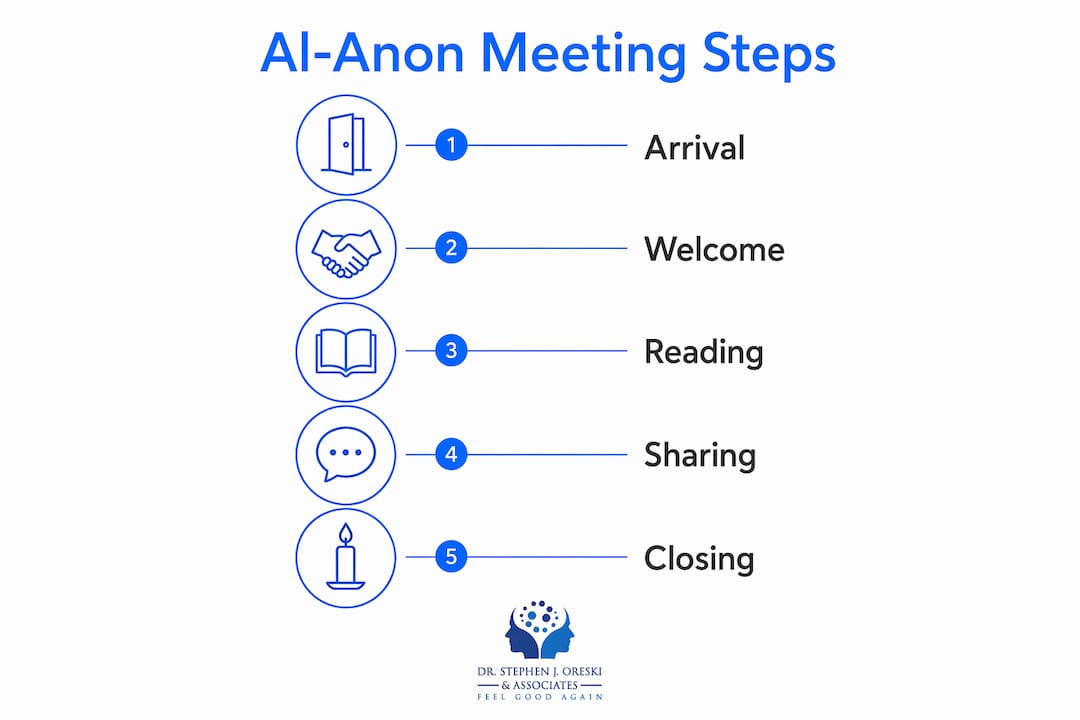
Al-Anon meetings are structured gatherings where people affected by a loved one’s alcoholism share experiences and support one another. Meetings last about 60 minutes and typically include 5 to 25 participants. That size keeps the group small enough to feel personal without being overwhelming. The format is consistent from week to week, which is part of what makes it feel safe.
A typical meeting moves through five stages:
- Opening reading. A designated leader opens with a reading from Al-Anon literature, such as the Preamble or the Twelve Steps.
- Topic introduction. The leader introduces a theme for the meeting, often drawn from a daily reader or group vote.
- Sharing period. Members share their experiences related to the topic. Sharing is always voluntary.
- Closing ritual. The group closes with a reading or a brief recitation, often the Serenity Prayer.
- Basket passing. A basket circulates for voluntary anonymous contributions to cover room rental or literature. No amount is expected, and passing the basket without contributing is completely normal.
The leader role rotates among members. No one person runs every meeting, which keeps the group peer-driven rather than authority-driven. Topics and readings are chosen to reflect the shared experience of living with someone else’s addiction, not to lecture or prescribe solutions.
Al-Anon meeting etiquette: what you need to know
Al-Anon meetings operate by a clear set of guidelines that protect every person in the room. Understanding these before you arrive removes the guesswork.
- Sharing is voluntary. Newcomers can listen without speaking and are never pressured to contribute until they feel ready. Saying “I’ll pass” is always acceptable.
- First names only. Members introduce themselves by first name only. This protects anonymity inside and outside the room.
- No cross-talk. The no cross-talk policy means members do not respond to, advise, or interrupt another person’s share. You listen without reacting verbally.
- Confidentiality is absolute. What is shared in the room stays in the room. This rule applies to everyone, including you.
- Phones off or silent. Most groups ask that phones be silenced to keep the space focused and respectful.
Newcomers typically introduce themselves at the start of a meeting by saying their first name and noting they are new. The group usually responds warmly. You are not required to explain your situation or your relationship to the person with a drinking problem.
Pro Tip: Arrive a few minutes early. Introduce yourself to whoever greets you at the door. That one conversation often makes the rest of the meeting feel far less unfamiliar.

What does your first Al-Anon meeting feel like?
Feeling nervous before your first meeting is completely normal. Most newcomers feel overwhelmed at first, then report relief once they realize they are not alone in their experience. That shift, from isolation to recognition, is one of the most consistent things people describe after attending.
“I walked in thinking I was the only one who had ever felt this way about someone I loved. Within ten minutes, I realized the room was full of people who understood exactly what I meant without me having to explain a single word.”
Fear of judgment is the most common barrier to attending. That fear dissolves quickly because every person in the room has lived a version of your experience. Common experience creates empathy, and empathy creates safety. Crying is accepted without comment. Tissues are often on the table. Strong emotions are not a sign that something is wrong. They are a sign that you are in the right place.
You do not need to have a plan, a decision made, or your feelings sorted out before attending. Al-Anon meets you exactly where you are.
How Al-Anon supports your growth over time
Al-Anon’s long-term value lies in the tools it gives you for your own recovery, not just your response to someone else’s drinking. The focus is on self-care, setting healthy boundaries, and emotional recovery.
The Twelve Steps appear as a guiding framework at many meetings. The Twelve Steps are read at many meetings as a recovery tool, but participation is voluntary and no specific belief system is required. Al-Anon is spiritual in the sense that members define a “Higher Power” individually. It is not religious, and members are not required to adopt any belief to benefit from the program.
Finding the right group takes time. Attending 3 to 4 meetings is recommended before deciding whether Al-Anon is a fit, because groups vary significantly in size, tone, and style. One group may feel formal; another may feel more conversational. Neither is wrong.
| What Al-Anon provides | What it does not provide |
|---|---|
| Peer support from shared experience | Professional mental health treatment |
| Tools for self-care and boundary-setting | Advice or feedback on your specific situation |
| A structured, confidential space | Crisis intervention or medical guidance |
| The Twelve Steps as an optional framework | Religious instruction or required beliefs |
Pro Tip: Try at least two different groups before drawing conclusions. A meeting on Tuesday morning and one on Thursday evening may feel like entirely different communities, even in the same city.
Key Takeaways
Al-Anon meetings give people affected by a loved one’s drinking a structured, confidential, and pressure-free space to find support, share experiences, and build self-care skills.
| Point | Details |
|---|---|
| Consistent meeting structure | Meetings last 60 minutes and follow a clear sequence: opening, topic, sharing, closing, and basket. |
| No pressure to speak | Newcomers can listen without sharing; saying “I’ll pass” is always accepted. |
| No cross-talk rule | Members listen without advising or interrupting, creating a safe and respectful space. |
| Try multiple meetings | Attending 3 to 4 different groups helps you find the tone and style that fits you best. |
| Free to attend | Al-Anon has no dues or fees; contributions to the basket are entirely voluntary. |
What I’ve learned from watching people walk into their first Al-Anon meeting
The people I’ve worked with who attend Al-Anon for the first time almost always say the same thing afterward: “I didn’t expect to feel understood that quickly.” That reaction tells me something important. The structure of Al-Anon, particularly the no cross-talk rule, does something that most social environments fail to do. It removes the pressure to perform, fix, or justify. You simply speak, or you simply listen.
What I find most clinically interesting is how the anonymity and peer structure work together. When people hear their own experience reflected back through someone else’s words, without advice attached, something shifts. It is not therapy. It is not a substitute for therapy. But it activates a kind of recognition that is genuinely healing. I encourage the people I work with to be patient with themselves in those first few meetings. The discomfort of walking into a room full of strangers fades. What tends to stay is the relief of finally not feeling alone.
— Stephen
Professional therapy alongside Al-Anon
Al-Anon provides peer support, but professional therapy addresses the deeper emotional patterns that develop when you love someone with an addiction.
At Bergencountytherapist, Dr. Stephen Oreski and his team work with individuals, couples, and families navigating the effects of a loved one’s drinking. Therapy can help you process grief, rebuild your sense of self, and develop coping strategies that go beyond what a support group can offer. Whether you are new to Al-Anon or have been attending for years, starting professional treatment gives you a private, structured space to work through what you carry. You can also track your mental health progress over time to see how both Al-Anon and therapy are supporting your recovery.
FAQ
What should I bring to my first Al-Anon meeting?
Bring nothing except yourself. Al-Anon meetings are free to attend, and no materials are required for your first visit.
Can I attend Al-Anon if my loved one is not in recovery?
Yes. Al-Anon is for anyone affected by someone else’s drinking, regardless of whether that person is seeking help or has stopped drinking.
Is everything said at an Al-Anon meeting kept private?
Confidentiality is a core rule of Al-Anon. What members share in the room is not to be repeated outside it.
Do I have to believe in God to attend Al-Anon?
No. Al-Anon is spiritual but not religious. Members define “Higher Power” in whatever way is meaningful to them, and no belief is required.
How many meetings should I attend before deciding if Al-Anon is right for me?
Attending at least 3 to 4 different meetings is recommended, since groups vary in size and tone and it takes a few visits to find the right fit.