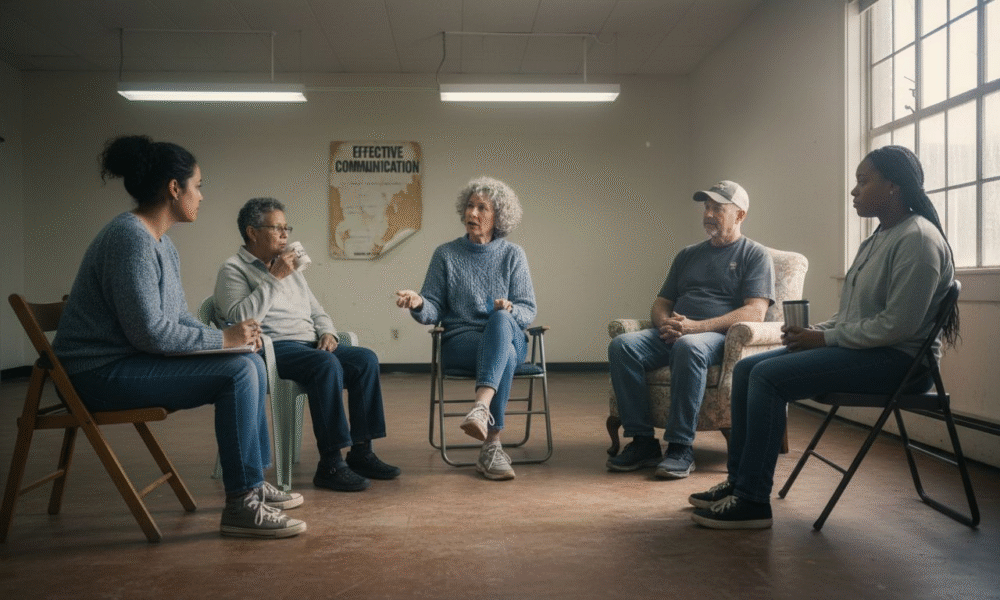
Joining a group therapy session can feel daunting when you are unsure how to communicate or find your place among new faces. Without clear skills and strategies, group interactions might seem unpredictable or even intimidating. The right tools can completely change your experience and help you unlock the real potential behind collective healing.
This list will guide you through actionable methods to strengthen your participation, create a safe and respectful environment, and set personal goals that propel your growth. You will discover specific techniques drawn from trusted studies, including ways to build trust, regulate emotions, and establish healthy communication boundaries. Get ready to learn practical steps that can make every group therapy meeting more productive and meaningful.
Overview of 7 Actionable Tips for Group Therapy Success
- 1. Understand Group Roles And Dynamics
- 2. Establish Safe And Respectful Communication
- 3. Set Clear Personal And Group Goals
- 4. Practice Active Listening Skills
- 5. Give And Receive Constructive Feedback
- 6. Build Trust Within The Group
- 7. Maintain Consistency And Commitment
Quick Summary
| Takeaway | Explanation |
|---|---|
| 1. Understand Group Roles | Recognizing specific roles enhances group cohesion and individual growth during therapy sessions. |
| 2. Foster Safe Communication | Establishing clear boundaries and mutual respect allows for authentic sharing and emotional vulnerability in the group. |
| 3. Set Clear Goals | Defining personal and group goals provides direction, accountability, and transforms therapy into active participation. |
| 4. Practice Active Listening | Engaging deeply with others’ experiences builds connection and promotes a supportive environment during discussions. |
| 5. Build Trust Gradually | Consistent positive interactions and emotional reliability cultivate an atmosphere of trust critical for effective therapy. |
1. Understand Group Roles and Dynamics
Successful group therapy starts with recognizing the intricate social patterns that naturally emerge during therapeutic sessions. Every group develops unique interaction dynamics that can either support or hinder personal growth and healing.
In group therapy settings, participants unconsciously adopt specific roles that contribute to the overall group experience. These roles are not fixed but fluid and can shift throughout the therapeutic process. Key group roles typically include:
- The Facilitator: Guides the conversation and maintains group boundaries
- The Connector: Helps build interpersonal relationships within the group
- The Reflector: Offers insights and helps others gain self-awareness
- The Supporter: Provides emotional validation and empathy
- The Challenger: Asks difficult questions and promotes deeper exploration
Understanding these roles allows participants to become more self-aware and contribute meaningfully to the group’s therapeutic journey. Research from recent studies highlights that group cohesion emerges through recognizing and respecting these dynamic interactions.
Effective group therapy transforms individual experiences into collective healing opportunities.
Participants can actively engage by observing their own patterns and being open to shifting roles as the group evolves. This flexibility enables deeper personal insights and more authentic connections with other group members.
By approaching group therapy with curiosity and intentionality, you can transform potential interpersonal challenges into powerful opportunities for growth and mutual support.
Pro tip:Before each group session, set a personal intention to be present and open to the unique dynamics that will naturally unfold.
2. Establish Safe and Respectful Communication
Creating an environment of trust and psychological safety is fundamental to meaningful group therapy experiences. Effective communication goes beyond simply speaking – it requires intentional strategies that foster mutual respect and emotional vulnerability.
Safe communication in group therapy hinges on establishing clear boundaries and shared expectations. Effective communication strategies help participants feel secure enough to share authentically and engage deeply with the therapeutic process.
Key elements of safe and respectful group communication include:
- Active Listening: Giving full attention without interrupting
- Non-judgmental Responses: Validating others’ experiences
- Confidentiality: Protecting the privacy of all group members
- Consent-Based Sharing: Respecting individual comfort levels
- Emotional Regulation: Managing reactions and emotional intensity
Trust is the foundation of meaningful therapeutic dialogue.
Participants can practice communication safety by setting clear ground rules collaboratively. These rules might include agreements about speaking time, emotional boundaries, and how to handle potential conflicts.
Emotional Safety Techniques involve creating an atmosphere where everyone feels heard and respected. This means acknowledging different perspectives without criticism and ensuring no one feels marginalized or attacked.
By prioritizing respect and creating a supportive environment, group therapy participants can transform potentially challenging interactions into opportunities for profound personal growth and mutual understanding.
Pro tip:Before sharing, take a deep breath and ask yourself whether your comment is helpful, honest, and kind.
3. Set Clear Personal and Group Goals
Successful group therapy transforms when participants create intentional, well-defined objectives that guide their collective healing journey. Goal setting transforms therapeutic experiences from passive participation to active personal transformation.
Effective goal setting requires a strategic approach that balances individual aspirations with group dynamics. Conflict resolution strategies can help participants navigate potential differences in goal alignment and maintain group cohesion.
Goal Setting Principles in group therapy include:
- Specificity: Clearly defined and measurable objectives
- Personal Relevance: Goals meaningful to individual experiences
- Collaborative Development: Group input and mutual support
- Flexibility: Ability to adjust goals as therapy progresses
- Realistic Expectations: Achievable and time-bound targets
Personal growth emerges when individual goals harmonize with collective therapeutic intentions.
Participants should approach goal setting as a dynamic process. This means regularly reviewing and refining goals to ensure they remain relevant and motivating. SMART goal frameworks can be particularly helpful:
- Specific: Clearly define what you want to achieve
- Measurable: Establish concrete criteria for progress
- Achievable: Set realistic and attainable objectives
- Relevant: Align goals with personal growth needs
- Time-bound: Create a realistic timeline for achievement
By creating goals that are both personal and interconnected, group therapy participants can support each other’s growth while maintaining individual agency and momentum.
Pro tip:Write down your goals and share them with the group to create accountability and collective support.
4. Practice Active Listening Skills
Active listening transforms group therapy from a passive experience into a profound journey of mutual understanding and connection. It goes far beyond simply hearing words – it requires deep engagement and genuine curiosity about others’ experiences.
Emotional regulation strategies play a crucial role in developing effective active listening skills, helping participants remain present and non-reactive during intense therapeutic conversations.
Core Components of Active Listening include:
- Maintaining open and welcoming body language
- Providing verbal and nonverbal acknowledgment
- Suspending personal judgment
- Asking clarifying questions
- Reflecting back what you’ve heard
- Demonstrating genuine empathy
Authentic listening creates a bridge of understanding between individual experiences.
Participants can develop active listening skills through intentional practice. This means focusing completely on the speaker without planning your response or interrupting their narrative. Nonverbal cues are equally important – maintaining appropriate eye contact, nodding, and showing attentive posture signal that you are fully present.
The most powerful aspect of active listening is creating a safe space where people feel genuinely heard and validated. This approach transforms group therapy from a mechanical interaction to a deeply healing experience.
Pro tip:Pause for two seconds after someone speaks to ensure you have fully processed their message before responding.
5. Give and Receive Constructive Feedback
Constructive feedback is the lifeblood of personal growth in group therapy. It transforms vulnerable conversations into powerful opportunities for mutual understanding and transformation.
Conflict resolution strategies become essential when navigating the delicate process of providing and receiving feedback that supports rather than undermines individual healing.
Key Principles of Constructive Feedback include:
- Focusing on behaviors not personal characteristics
- Using specific and observable language
- Balancing critique with positive acknowledgment
- Maintaining a supportive and non-judgmental tone
- Offering feedback as an invitation to growth
- Seeking permission before sharing insights
- Remaining open to different perspectives
Genuine feedback is a gift of perspective wrapped in compassion.
Feedback Delivery Techniques:
- Start with positive observations
- Use “I” statements to share personal perceptions
- Be precise about specific behaviors
- Suggest potential alternative approaches
- Check for understanding and receptiveness
Successful feedback creates a collaborative environment where participants feel safe exploring personal challenges. It requires emotional intelligence emotional regulation and a genuine commitment to mutual support.
Pro tip:Practice the feedback sandwich: begin with a genuine strength observation, introduce your constructive suggestion, and conclude with an encouraging statement.
6. Build Trust Within the Group
Trust is the invisible yet powerful foundation that transforms a group of strangers into a supportive therapeutic community. Creating an environment where participants feel safe to be vulnerable requires intentional and consistent effort.
Improve communication strategies are critical in developing the interpersonal connections that foster genuine trust within group therapy settings.
Trust-Building Components include:
- Consistent confidentiality
- Authentic and transparent communication
- Mutual respect for individual boundaries
- Demonstrating emotional reliability
- Practicing non-judgmental listening
- Showing genuine care and empathy
- Honoring shared group agreements
Trust emerges through small moments of genuine human connection.
Participants can actively cultivate trust by understanding that it develops gradually through repeated positive interactions. Vulnerability Creates Connection – sharing personal experiences in a supportive environment allows group members to recognize their shared humanity.
Trust-building is not about perfection but about creating a space where imperfections are accepted and growth is celebrated. Each shared moment becomes an opportunity to deepen mutual understanding and support.
Pro tip:Start each group session by acknowledging one positive observation about another group member to reinforce a culture of mutual appreciation.
7. Maintain Consistency and Commitment
Personal growth in group therapy emerges through steady, intentional participation. Consistency transforms occasional attendance into meaningful therapeutic transformation.
Emotional regulation strategies play a crucial role in maintaining commitment even when therapy feels challenging or uncomfortable.
Commitment Strategies for group therapy success:
- Schedule therapy as a non-negotiable personal appointment
- Set realistic expectations about the therapeutic process
- Create accountability mechanisms
- Develop a support system outside the group
- Practice self-compassion during difficult sessions
- Reflect on your progress regularly
- Stay open to uncomfortable emotional experiences
Transformation happens through showing up consistently even when progress feels uncertain.
Practical Commitment Techniques:
- Block therapy times in your calendar
- Prepare mentally before each session
- Journal about your group therapy experiences
- Share your goals with a trusted friend
- Review your progress quarterly
Commitment is not about perfection but persistent engagement. Your willingness to remain present and vulnerable creates the foundation for profound personal growth.
Pro tip:Create a personal ritual before each group session to mentally transition and signal your commitment to the therapeutic process.
Below is a comprehensive table summarizing the strategies, principles, and practices discussed in the article.
| Topic | Key Concepts | Importance |
|---|---|---|
| Understand Group Roles and Dynamics | Recognizing participant roles such as Facilitator, Connector, and Reflector; promoting self-awareness through role flexibility. | Encourages growth and cohesive interactions within therapy settings. |
| Establish Safe and Respectful Communication | Strategies include Active Listening, Non-judgmental Responses, and maintaining Confidentiality. | Fosters trust and psychological safety, enabling authentic dialogue. |
| Set Clear Personal and Group Goals | Utilize SMART goals and collaborative goal formulation. | Provides direction and enhances personal and collective progress. |
| Practice Active Listening Skills | Techniques include using open body language, reflecting, and asking clarifying questions. | Strengthens understanding and empathy among group members. |
| Give and Receive Constructive Feedback | Focus on behaviors, balance positivity with critique, and involve permission-based sharing. | Promotes constructive dialogue and personal development. |
| Build Trust Within the Group | Maintain consistency in confidentiality, show empathy, and exhibit reliability. | Creates a supportive community essential for therapeutic impact. |
| Maintain Consistency and Commitment | Strategies include scheduling as non-negotiable and creating accountability systems. | Encourages steady progress and participation in therapy. |
Take Your Personal Growth Further with Expert Group Therapy Support
If you found the 7 Effective Group Therapy Tips for Personal Growth insightful, you may be ready to experience the transformative power of intentional group therapy. Many individuals face challenges like building trust, maintaining commitment, and practicing active listening that can feel overwhelming alone. Our specialized group therapy sessions at Group Therapy for Healing and Growth – Dr. Stephen Oreski & Associates are designed exactly to help you navigate these dynamics with professional guidance and compassionate care.
Discover how consistent participation and mutually supportive communication can accelerate your healing journey. Take the step today to connect with therapists who understand the importance of clear personal and group goals and foster safe communication climates. Visit https://bergencountytherapist.com to learn more about our services or explore the Group Therapy Archives – Dr. Stephen Oreski & Associates for additional insights. Don’t wait to build the trust and skills that will empower your growth. Schedule your free consultation now and begin your path to lasting positive change.
Frequently Asked Questions
What are the key roles in group therapy that support personal growth?
Understanding the key roles in group therapy—like Facilitator, Connector, Reflector, Supporter, and Challenger—can enhance your personal growth. Observe which role you naturally adopt and consider how shifting roles can lead to deeper insights during your journey.
How can I establish safe communication in a group therapy setting?
Creating safe communication in group therapy involves setting clear boundaries and expectations together with the group. Start by agreeing on confidentiality, active listening, and respectful responses to build a trusting atmosphere.
What steps can I take to set personal and group goals in therapy?
Set personal and group goals by defining them clearly, ensuring they are specific, relevant, and achievable. Regularly review these goals to keep them aligned with your personal growth needs and the group’s dynamics.
How can I improve my active listening skills during therapy sessions?
To enhance active listening skills, focus completely on the speaker without planning your response. Practice reflecting back what you hear and maintaining open body language to show genuine engagement in the conversation.
What is the best way to give and receive constructive feedback in group therapy?
When giving and receiving constructive feedback, focus on discussing specific behaviors instead of making personal judgments. Use “I” statements and maintain a supportive tone to promote an atmosphere of mutual growth and understanding.
How does consistency and commitment affect my progress in group therapy?
Consistency and commitment are crucial for effective personal growth in group therapy. Schedule your therapy sessions as non-negotiable appointments and reflect on your progress regularly to foster deeper connections and growth.