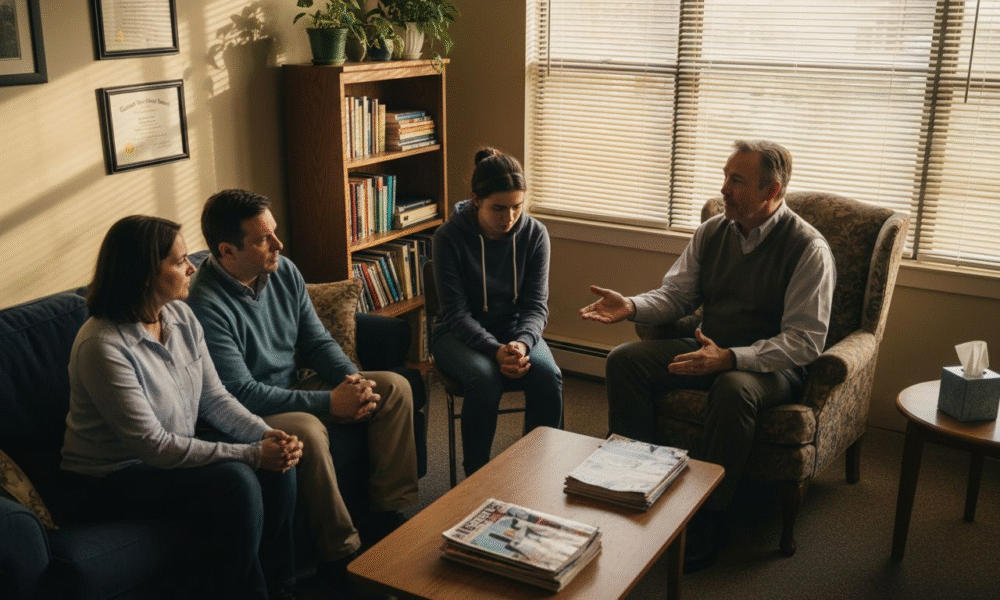
Every parent wants to see their child thrive, but when abuse disrupts family life, the path to healing can feel uncertain. Family therapy offers a compassionate, holistic approach that helps Bergen County families repair trust and rebuild healthy bonds. By focusing on entire family systems instead of just individuals, this therapy supports lasting change, emotional safety, and resilience for parents and children alike.
Table of Contents
- Defining Family Therapy for Abuse Cases
- How Family Therapy Addresses Abuse Trauma
- Types of Family Therapy Approaches for Abuse
- Roles of Parents and Therapists in Recovery
- Legal, Ethical, and Safety Considerations
Comprehensive Guide to Family Therapy for Abuse
| Point | Details |
|---|---|
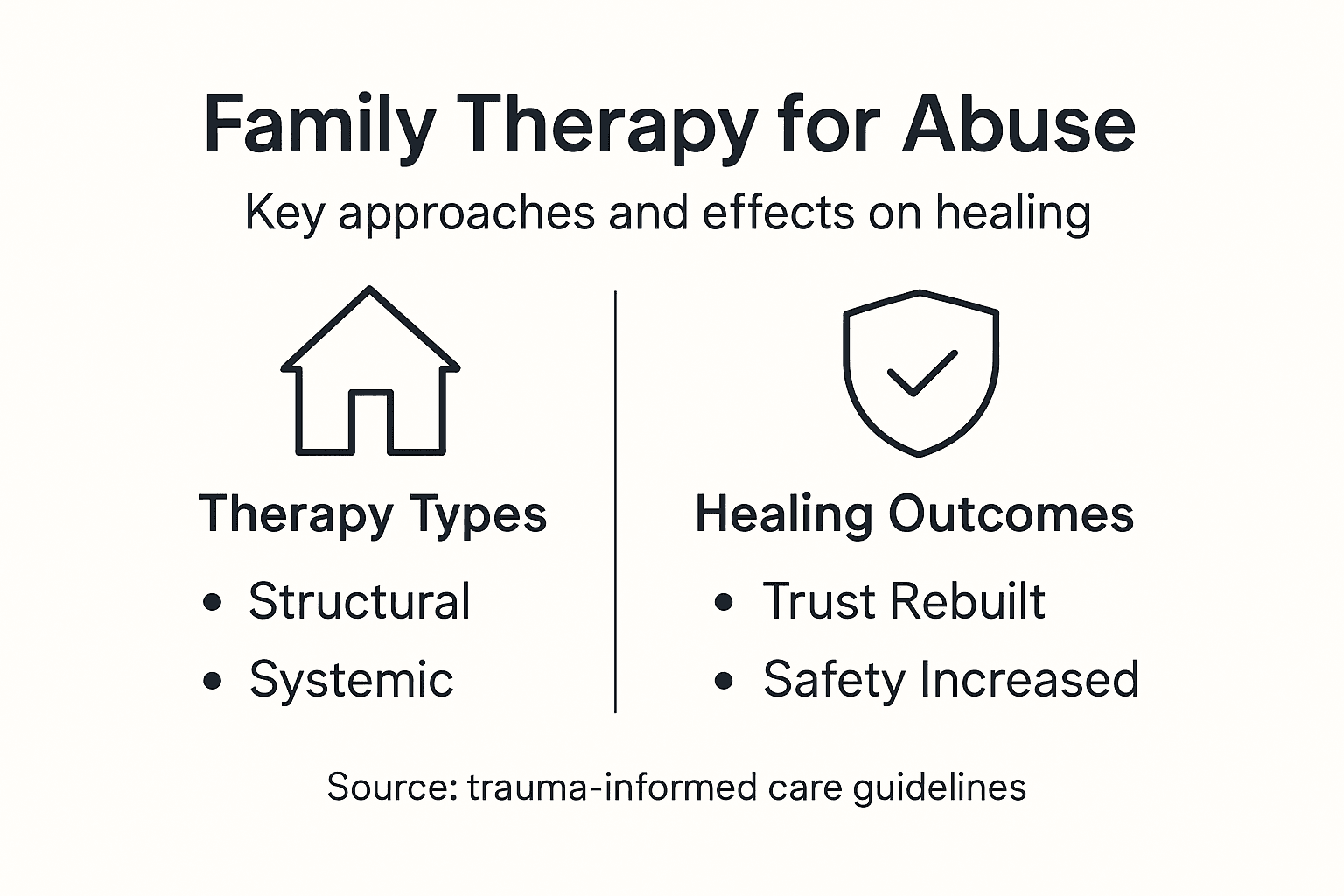
| Holistic Healing is Essential | Family therapy addresses the relational dynamics of abuse, promoting healing for the entire family rather than focusing on individuals. |
| Trauma-Informed Care is Crucial | Selecting therapists trained in trauma-informed approaches ensures appropriate support for families recovering from abuse. |
| Diverse Therapeutic Techniques | Various family therapy methods, such as Structural Family Therapy and Internal Family Systems, cater to unique family needs and dynamics. |
| Collaboration is Key | The partnership between parents and therapists creates a supportive environment, enhancing recovery efforts in abusive situations. |
Defining Family Therapy for Abuse Cases
Family therapy represents a specialized therapeutic approach designed to address complex interpersonal dynamics in situations involving abuse, focusing on healing entire family systems rather than isolated individuals. This comprehensive strategy recognizes that abuse impacts not just the direct victim, but creates intricate relational patterns affecting all family members.
In the context of abuse cases, family therapy techniques involve several critical components:
- Identifying destructive interaction patterns
- Creating safe communication environments
- Developing healthier relationship boundaries
- Supporting trauma recovery for all family members
- Breaking intergenerational cycles of abuse
Traditional therapeutic models often treat abuse as an individual problem, but family systems therapy understands that healing requires a holistic approach. By examining the entire family’s communication, power dynamics, and historical trauma patterns, therapists can develop targeted interventions that promote understanding, accountability, and collective healing.
Modern family therapy for abuse cases integrates multiple therapeutic techniques, recognizing that each family’s situation is unique. Professionals may employ approaches like Brief Strategic Family Therapy (BSFT), which focuses specifically on assessing family interaction patterns and developing customized interventions that address underlying systemic issues.
Pro tip:When seeking family therapy for abuse, prioritize therapists with specialized training in trauma-informed care and systemic family dynamics.
How Family Therapy Addresses Abuse Trauma
Abuse trauma fundamentally disrupts family dynamics, creating complex psychological and emotional challenges that require specialized therapeutic interventions. Therapeutic approaches must address the multifaceted impacts of traumatic experiences on individual family members and their collective relationships.
Family therapy for abuse trauma typically focuses on several key intervention strategies:
- Restoring emotional safety within family systems
- Rebuilding trust and communication
- Processing individual and collective trauma experiences
- Interrupting potential cycles of re-traumatization
- Developing healthy coping mechanisms
- Establishing protective boundaries
Professional therapists recognize that abuse trauma creates intricate psychological wounds that extend beyond individual experiences. Systemic therapeutic approaches view these challenges through a holistic lens, understanding that healing requires comprehensive work addressing each family member’s unique emotional landscape.
Modern trauma-informed family therapy integrates multiple therapeutic techniques, including Internal Family Systems (IFS) and Solution Focused Brief Therapy (SFBT). These approaches help families navigate complex emotional terrains, supporting survivors in processing their experiences while simultaneously strengthening familial connections and resilience.
Trauma healing is not about returning to who you were before, but discovering who you can become together.
Pro tip:Choose a therapist with specialized training in trauma-informed family systems therapy to ensure comprehensive, compassionate support.
Types of Family Therapy Approaches for Abuse
Family therapy approaches for abuse represent sophisticated, nuanced interventions designed to heal complex familial trauma. Trauma-informed techniques recognize that abuse impacts entire family systems, requiring comprehensive and specialized treatment strategies.
Several evidence-based family therapy approaches have emerged to address abuse-related challenges:
- Structural Family Therapy: Focuses on reorganizing family interactions and boundaries
- Functional Family Therapy (FFT): Targets behavioral patterns and communication dynamics
- Internal Family Systems (IFS): Addresses individual and collective psychological wounds
- Solution-Focused Brief Therapy: Emphasizes strengths and future-oriented healing
- Narrative Family Therapy: Helps families reframe traumatic experiences
Structural Family Therapy, developed by Salvador Minuchin, provides a particularly powerful framework for understanding and transforming abusive family dynamics. Systemic intervention strategies examine how family structures contribute to harmful patterns, working to establish healthier relationships and protective boundaries.
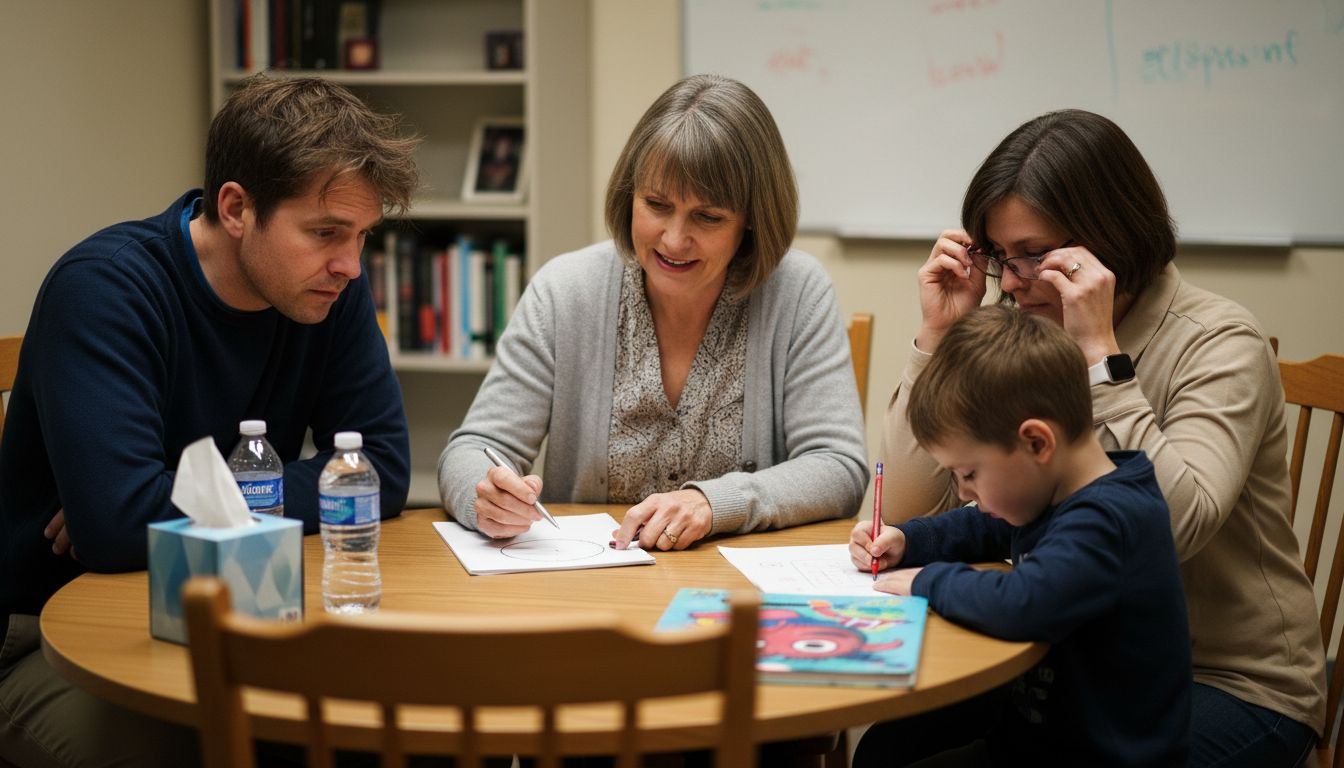
Modern therapeutic approaches recognize that healing from abuse requires more than individual treatment. By integrating multiple intervention techniques, therapists can help families develop resilience, rebuild trust, and create supportive environments that interrupt potential cycles of trauma.
Here’s a summary of major family therapy approaches for abuse cases:
| Therapy Approach | Main Focus | Best Used For | Unique Benefit |
|---|---|---|---|
| Structural Family Therapy | Reorganizing family roles and boundaries | Families with rigid/harmful dynamics | Clarifies relationships |
| Functional Family Therapy | Changing communication and behaviors | Youth/families with conduct issues | Improves problem-solving |
| Internal Family Systems | Integrating individual and collective healing | Individuals with deep trauma | Addresses inner conflicts |
| Solution-Focused Brief Therapy | Building on strengths and positive outcomes | Families needing rapid change | Encourages hope and progress |
| Narrative Family Therapy | Reframing family stories and experiences | Families burdened by past trauma | Helps shift perspectives |
Healing is a journey of transformation, not just recovery.
Pro tip:Seek therapists who are specifically trained in multiple trauma-informed family therapy approaches to ensure comprehensive support.
Roles of Parents and Therapists in Recovery
Family recovery from abuse demands a collaborative approach where parents and therapists work together as crucial partners in the healing process. Parent-child therapy strategies require nuanced understanding and synchronized efforts to rebuild trust and emotional safety.
The key roles of parents in the recovery process include:
- Creating a stable, supportive home environment
- Demonstrating consistent emotional availability
- Learning trauma-informed parenting techniques
- Practicing active, compassionate listening
- Supporting the healing journey without judgment
- Maintaining healthy boundaries
Therapists serve as critical guides in this complex healing journey, providing professional expertise and strategic interventions. Professional therapeutic interventions focus on helping families understand trauma’s impact, develop communication skills, and create new patterns of interaction that promote healing and resilience.
Successful recovery requires both parents and therapists to work as integrated support systems. By combining professional psychological insights with compassionate family dynamics, they can help survivors navigate the complex emotional landscape of trauma recovery, ultimately fostering an environment of understanding, safety, and potential transformation.
Compare the roles of parents and therapists in family abuse recovery:
| Role | Primary Responsibilities | Key Impact on Recovery |
|---|---|---|
| Parents | Providing stability and emotional support | Encourages trust and resilience |
| Therapists | Guiding healing and setting interventions | Creates structure for growth |
| Collaboration | Integrating skills and empathy | Sustains long-term transformation |
Healing is not about returning to who you were, but becoming someone stronger and more connected.
Pro tip:Approach family therapy as a collaborative journey, where parents and therapists are equal partners in creating pathways to recovery.
Legal, Ethical, and Safety Considerations
Family therapy ethics create a complex landscape of professional responsibilities, legal obligations, and client protection in abuse recovery scenarios. Safety guidelines require therapists to navigate intricate boundaries while prioritizing client welfare and legal compliance.
Key ethical and legal considerations include:
- Mandatory reporting of ongoing abuse
- Maintaining strict client confidentiality
- Protecting vulnerable family members
- Obtaining informed consent from all parties
- Documenting therapeutic interactions accurately
- Recognizing potential conflicts of interest
- Understanding legal reporting requirements
- Implementing safety protocols for high-risk situations
Professional ethical standards demand that therapists maintain rigorous boundaries while creating safe therapeutic environments. This requires a delicate balance between supporting family healing and ensuring individual safety, particularly in cases involving domestic violence or child abuse.
Legal frameworks surrounding family therapy emphasize the therapist’s responsibility to protect clients from potential harm. This involves careful assessment of risk, strategic intervention planning, and collaboration with appropriate legal and social service agencies when necessary to ensure comprehensive client protection.
Ethical practice is not just about following rules, but protecting human dignity.
Pro tip:Always prioritize client safety and be prepared to take appropriate legal actions when fundamental well-being is at risk.
Rebuild Trust and Heal Together with Expert Family Therapy
Experiencing abuse deeply impacts family trust and emotional safety. This journey requires specialized support that addresses not only individual pain but also complex family dynamics and trauma. Our Family Therapy Archives – Dr. Stephen Oreski & Associates provide compassionate, trauma-informed approaches tailored to your family’s unique needs. We understand how crucial restoring communication and creating safe boundaries are to lasting healing.
Take the first step toward transformation by connecting with skilled therapists who prioritize your family’s well-being. Explore the compassionate services at https://bergencountytherapist.com and learn more about how healing happens in our Family Archives – Dr. Stephen Oreski & Associates. Don’t wait to rebuild trust. Schedule a free consultation today and begin creating a safer, stronger family future.
Frequently Asked Questions
What is family therapy for abuse?
Family therapy for abuse is a therapeutic approach that addresses the complex interpersonal dynamics within families affected by abuse. It focuses on healing entire family systems rather than just treating individual victims, recognizing that abuse impacts all family members.
How does family therapy help in trauma recovery?
Family therapy helps in trauma recovery by restoring emotional safety, rebuilding trust, processing trauma experiences, and developing healthy coping mechanisms. It creates a supportive environment where families can work together towards healing.
What types of therapy approaches are used in family therapy for abuse?
Several approaches are used in family therapy for abuse, including Structural Family Therapy, Functional Family Therapy, Internal Family Systems, Solution-Focused Brief Therapy, and Narrative Family Therapy. Each approach targets different aspects of family dynamics and trauma recovery.
What roles do parents and therapists play in the recovery process?
Parents create a stable and supportive environment, practicing trauma-informed parenting and healthy boundaries. Therapists guide the healing process, providing professional expertise and strategies to help families communicate effectively and build resilience.