

Nearly one in five American teenagers struggles with emotional or social challenges that impact daily life, yet many parents in Bergen County find themselves overwhelmed by the search for supportive solutions. Group therapy offers a proven, community-driven path for adolescents to connect, learn essential skills, and realize they’re not alone. This guide will help you understand what makes group therapy effective for today’s teens and how the right approach can spark meaningful change.
On This Page: Overview of Teen Group Therapy Topics
- Defining Group Therapy For Teens
- Common Types Used With Adolescents
- How Group Therapy Sessions Function
- Skills And Outcomes Teens Develop
- Risks, Costs, And Confidentiality Issues
- Avoiding Missteps In Teen Group Therapy
Key Takeaways
| Point | Details |
|---|---|
| Group Therapy Importance | Group therapy provides a collaborative environment for teens to explore emotional challenges and develop coping strategies with peer support. |
| Therapeutic Approaches | Various approaches such as Cognitive Behavioral Therapy and Psychodynamic therapy cater to specific adolescent needs, improving emotional regulation and social skills. |
| Confidentiality and Risks | Maintaining confidentiality is crucial; parents should understand financial implications and address the potential discomfort teens might face in group settings. |
| Choosing the Right Group | It’s essential to assess group dynamics and match therapist approaches to ensure compatibility with individual teen needs for effective therapy outcomes. |
Defining Group Therapy for Teens
Group therapy represents a specialized therapeutic approach designed specifically to support adolescents navigating complex emotional landscapes. Unlike individual counseling, group therapy brings together teenagers experiencing similar mental health challenges, creating a collaborative environment where healing and personal growth can emerge through shared experiences and professional guidance.
In essence, group therapy for teens is a structured mental health intervention led by licensed professionals who understand adolescent psychology. Understanding teen therapy approaches helps parents recognize this powerful intervention. Participants typically range from 6 to 12 individuals who meet regularly to explore personal challenges, develop coping strategies, and learn interpersonal skills under expert supervision. These sessions can address various issues including anxiety, depression, social difficulties, family conflicts, and self-esteem challenges.
The therapeutic process involves multiple dynamic components. Professionally trained therapists facilitate discussions, encourage peer interaction, and guide participants through structured activities designed to promote emotional intelligence and interpersonal understanding. Group dynamics allow teenagers to practice communication skills, receive constructive feedback, and realize they are not alone in their experiences. By witnessing others’ struggles and successes, participants gain perspective, develop empathy, and learn alternative ways of processing emotions.
Pro Tip:When considering group therapy for your teenager, request a preliminary consultation to understand the specific group composition and therapeutic approach to ensure the best possible match for your child’s unique needs.
Common Types Used With Adolescents
Adolescent group therapy encompasses several specialized approaches designed to address the unique psychological needs of teenagers. Cognitive Behavioral Therapy (CBT) groups are particularly effective, focusing on helping teens identify and modify negative thought patterns that contribute to emotional challenges such as anxiety and depression. Addressing the unique challenges teens face reveals the complexity of teenage mental health interventions.
Another prominent group therapy model is the Psychodynamic Group Therapy, which explores underlying emotional conflicts and interpersonal dynamics. These groups help teenagers understand how past experiences shape current behaviors and emotional responses. Participants learn to recognize unconscious patterns, develop deeper self-awareness, and improve their ability to form healthy relationships. Supportive groups create a safe environment where teens can share vulnerabilities and receive constructive feedback from peers and professional therapists.
Skills-based group therapy represents a practical approach targeting specific developmental challenges. These groups might focus on social skills training, stress management, emotional regulation, or communication techniques. Participants engage in structured activities designed to build practical coping mechanisms, enhance self-esteem, and develop resilience. Research indicates these targeted interventions can significantly improve adolescents’ academic functioning, reduce aggressive behaviors, and strengthen overall emotional intelligence.
Pro Tip:When selecting a group therapy program, carefully assess the specific therapeutic approach and ensure it aligns with your teenager’s individual needs and personal comfort level.
The following table compares common adolescent group therapy types to help parents choose the right approach:
| Therapy Type | Primary Focus | Typical Benefits | Example Activities |
|---|---|---|---|
| Cognitive Behavioral | Challenging negative thinking patterns | Reducing anxiety and depression | Thought journaling exercises |
| Psychodynamic | Exploring past experiences and emotions | Insight into behavior and relationships | Guided peer discussions |
| Skills-Based | Building practical coping skills | Improved social and emotional skills | Role-playing, communication games |
How Group Therapy Sessions Function
Group therapy sessions for teens follow a meticulously structured yet dynamic framework designed to create a safe, supportive environment for emotional exploration and personal growth. Does group therapy work effectively for adolescents depends on several key components that guide the therapeutic process. Typically, sessions last between 60 to 90 minutes and are led by one or two licensed mental health professionals who carefully manage group interactions, facilitate discussions, and ensure a productive therapeutic experience.
Group Composition plays a critical role in the session’s effectiveness. Therapists strategically assemble groups of 6 to 12 teenagers with similar developmental challenges or mental health concerns. This carefully curated approach allows participants to connect through shared experiences while maintaining individual boundaries. Sessions often begin with structured check-ins, where each participant briefly shares their current emotional state, recent challenges, or progress since the last meeting. These initial moments help establish trust, create a sense of community, and set the tone for deeper therapeutic work.
The actual therapeutic process involves multiple engagement strategies. Interactive activities, guided discussions, and skill-building exercises form the core of most group therapy sessions. Participants might engage in role-playing scenarios to practice communication skills, participate in group problem-solving activities, or explore emotional intelligence through structured reflection exercises. Therapists actively guide these interactions, helping teenagers develop self-awareness, emotional regulation techniques, and interpersonal skills. The group dynamic allows teens to receive immediate peer feedback, practice vulnerability, and learn from others’ experiences in a supportive, supervised environment.
Pro Tip:Before committing to a group therapy program, request a detailed overview of the session structure and ask about the therapist’s specific approach to managing group dynamics and individual participant needs.
Skills and Outcomes Teens Develop
Group therapy provides a transformative platform for teenagers to develop critical emotional and social skills that extend far beyond traditional counseling approaches. Teen therapy promotes resilience and personal growth by creating a dynamic learning environment where adolescents can actively practice and refine essential life skills. The outcomes of these therapeutic interventions are comprehensive, addressing multiple dimensions of personal development including emotional intelligence, interpersonal communication, and psychological adaptability.
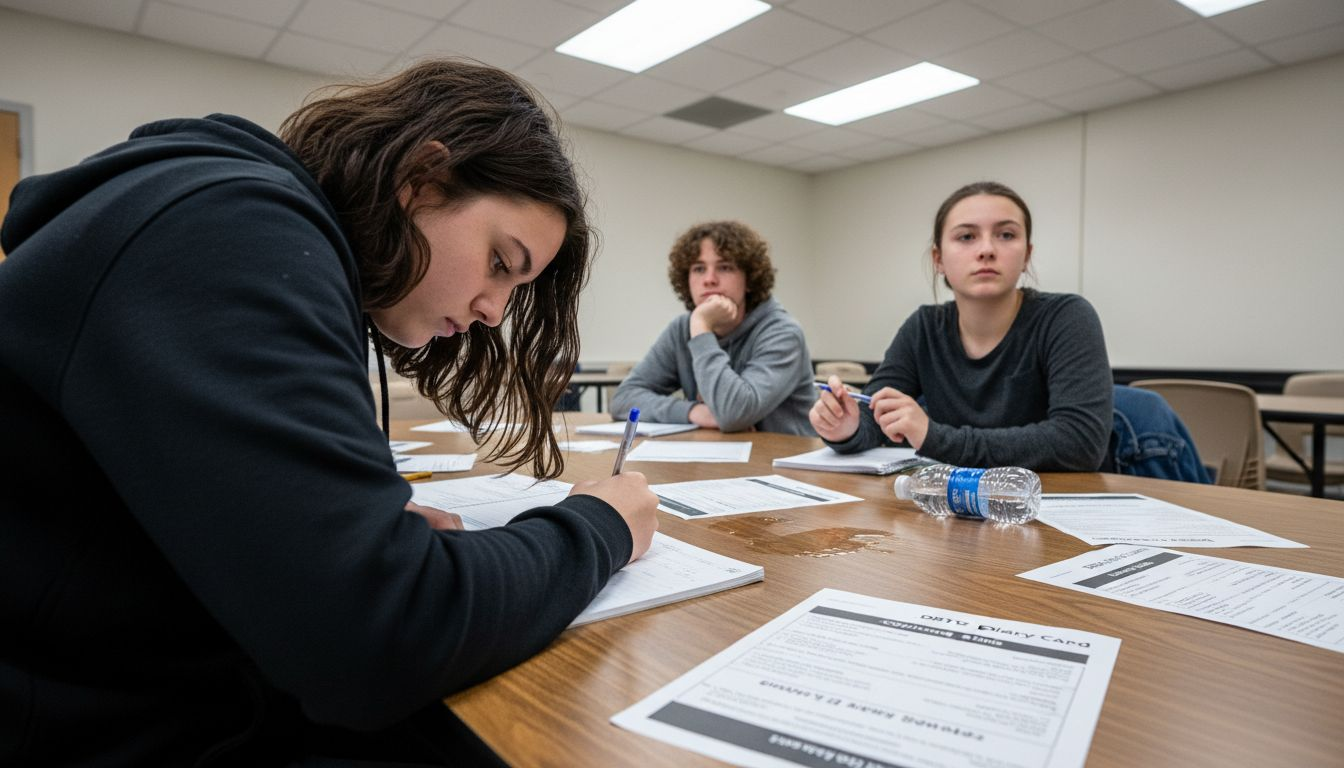
Emotional Regulation emerges as a primary skill developed through group therapy. Teenagers learn sophisticated techniques for identifying, understanding, and managing complex emotional experiences. Participants develop strategies to recognize emotional triggers, practice healthy coping mechanisms, and respond to challenging situations with increased self-awareness. These skills help teens transform potentially overwhelming emotional responses into constructive problem-solving approaches, reducing anxiety and improving overall psychological resilience.
The social and interpersonal skill development in group therapy is equally profound. Teenagers learn nuanced communication techniques, practice active listening, and develop empathy through structured interactions with peers facing similar challenges. Group dynamics allow participants to receive real-time feedback, understand diverse perspectives, and build confidence in social interactions. Research indicates that these interventions can significantly improve academic performance, reduce aggressive behaviors, and enhance overall social functioning. By practicing vulnerability, negotiation, and constructive communication within a supervised environment, teens develop foundational relationship skills that will serve them throughout their lives.
Pro Tip:Encourage your teenager to maintain a reflective journal during group therapy to track personal growth, document learned skills, and process emotional insights gained during sessions.
Here’s a summary of key skills and long-term outcomes teens develop through group therapy:
| Skill Developed | Description | Long-Term Impact |
|---|---|---|
| Emotional Regulation | Managing feelings and emotional responses | Greater resilience under stress |
| Social Communication | Interacting and listening to peers | Stronger interpersonal skills |
| Empathy and Perspective | Understanding others’ experiences | Healthier relationships |
| Conflict Resolution | Navigating disagreements constructively | Reduced aggression, better teamwork |
Risks, Costs, and Confidentiality Issues
Navigating the complex landscape of group therapy for teenagers requires a comprehensive understanding of potential risks, financial considerations, and critical confidentiality protocols. Understanding the role of counseling for teens involves carefully evaluating these nuanced aspects that can significantly impact the therapeutic experience. Parents must approach group therapy with informed awareness, recognizing both the potential challenges and protective mechanisms designed to support adolescent mental health.
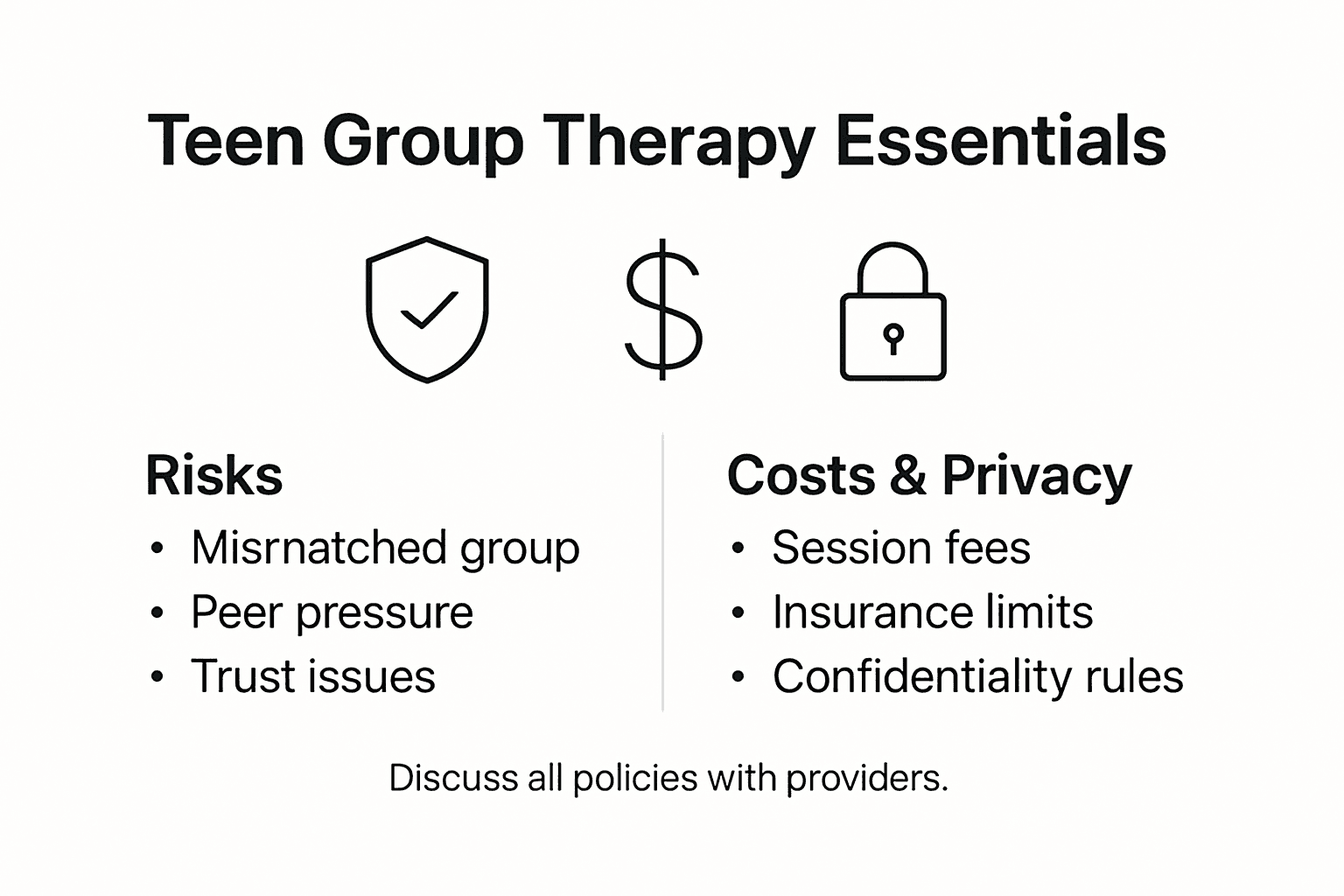
Confidentiality stands as the cornerstone of effective therapeutic interventions for teenagers. Group therapy settings create unique challenges in maintaining individual privacy while fostering open communication. Licensed therapists implement rigorous protocols to protect participants’ personal information, with clear boundaries about what can and cannot be shared. Typical confidentiality guidelines include protecting individual disclosures within the group, with specific exceptions for situations involving potential self-harm, abuse, or imminent danger. Therapists carefully balance maintaining teen autonomy with necessary safeguards, ensuring participants understand the precise limits of confidential communication.
Financial considerations represent another critical aspect of group therapy participation. Costs can vary widely depending on location, therapist credentials, session frequency, and insurance coverage. Most group therapy sessions range from $30 to $80 per session, with some practices offering sliding scale fees or package rates for multiple sessions. Potential risks in group therapy include occasional interpersonal conflicts, emotional vulnerability, and the possibility that not all participants will find the specific group dynamics helpful. Some teenagers might experience initial discomfort sharing personal experiences, while others may find the group environment triggering or challenging. Professional therapists carefully screen and manage group compositions to minimize these risks and create supportive, constructive environments.
Pro Tip:Before committing to a group therapy program, request a detailed overview of confidentiality policies, ask about screening processes, and discuss potential financial assistance options.
Avoiding Missteps in Teen Group Therapy
Successful teen group therapy requires careful navigation and a strategic approach from both parents and participants. How to support teens in therapy involves understanding potential pitfalls that could undermine the therapeutic process. Recognizing and proactively addressing these challenges can significantly enhance the effectiveness of group interventions and protect the emotional well-being of participating teenagers.
Matching Group Dynamics represents a critical consideration in avoiding therapeutic missteps. Not every group will be appropriate for every teenager, making careful assessment essential. Parents should prioritize groups with carefully curated participant compositions that align with their child’s specific developmental stage, emotional needs, and personal challenges. Warning signs of an unsuitable group include consistent negative interactions, lack of professional moderation, insufficient screening processes, or environments that feel intimidating or judgmental rather than supportive and constructive.
Communication barriers can also derail group therapy effectiveness. Teenagers might resist participation, feel uncomfortable sharing personal experiences, or struggle with group interaction dynamics. Parents can mitigate these risks by maintaining open dialogue about therapy expectations, encouraging their teenager’s active participation, and supporting emotional processing outside of group sessions. Professional therapists should create structured yet flexible environments that allow participants to engage at their own comfort level, providing multiple pathways for expression and ensuring no teenager feels pressured or marginalized.
Pro Tip:Request a preliminary consultation or trial session to assess group compatibility and observe your teenager’s comfort level before committing to a long-term group therapy program.
Empower Your Teen’s Journey With Expert Group Therapy Support
Navigating the challenges of adolescence can be overwhelming for both teens and parents. Group therapy offers a powerful way for teenagers to develop emotional regulation, social communication, and empathy by connecting with peers facing similar struggles. If your teen is dealing with anxiety, depression, or social difficulties, understanding the benefits of group therapy can help you take the next step toward lasting positive change. At Bergen County Therapist, Dr. Stephen Oreski and his team specialize in personalized approaches that gently guide teens through these complex experiences.

Discover tailored group therapy options designed to meet your teenager’s unique needs. Explore our comprehensive Teen Therapy Archives and learn how therapeutic group work fosters growth and connection in a safe environment at Group Therapy for Healing and Growth. Start by scheduling a free consultation today to ensure your teen receives the compassionate and client-focused care they deserve at Bergen County Therapist. Taking action now can empower your teen to build resilience and thrive in the face of emotional challenges.
Frequently Asked Questions
What is group therapy for teens?
Group therapy for teens is a structured mental health intervention that brings together adolescents facing similar emotional challenges, providing a supportive environment for healing and personal growth under the guidance of licensed professionals.
What types of issues can group therapy address for teenagers?
Group therapy can help teenagers navigate various issues, including anxiety, depression, social difficulties, family conflicts, and challenges related to self-esteem.
How does group therapy benefit teenagers?
Group therapy promotes emotional regulation, enhances social communication skills, fosters empathy, and develops conflict resolution abilities, which can lead to improved relationships and psychological resilience.
How are group therapy sessions structured for teens?
Group therapy sessions typically last between 60 to 90 minutes and include structured check-ins, interactive activities, and guided discussions to promote emotional exploration and personal growth in a supportive environment.
Recommended
- Teen Therapy: Promoting Resilience and Growth – Dr. Stephen Oreski & Associates
- Teen Therapy Approaches for Mental Health Support – Dr. Stephen Oreski & Associates
- 7 Types of Teen Therapy Parents Need to Know About
- Role of Family Therapy for Teens – Positive Change Explained
- Guida ADHD: Calma e Concentrazione in 7 Giorni – Sara Conti