

You want the best for your child, but knowing when and how to start therapy can feel overwhelming. Many parents in Bergen County struggle with this decision, uncertain about the process, fearful of stigma, or confused by the available options. This guide provides clear, actionable steps to help you confidently initiate child therapy and support your child’s emotional growth.
Table of Contents
- Understanding When And Why To Start Child Therapy
- Prerequisites: What You Need Before Starting Therapy
- Choosing The Right Therapy Type And Therapist
- Preparing Your Child And Family For Therapy
- Step-By-Step Process To Initiate Child Therapy
- Troubleshooting Common Barriers And Mistakes
- Expected Results, Timelines, And Measuring Progress
- Cost, Insurance, And Alternative Approaches
- Start Your Child’s Therapy Journey With Dr. Stephen Oreski & Associates
- Frequently Asked Questions
Key Takeaways
| Point | Details |
|——-|———||
| Recognize therapy need | Watch for persistent anxiety, behavioral outbursts, withdrawal, or academic decline signaling intervention benefits. |
| Prepare effectively | Gather medical history, clarify goals, and discuss therapy purpose with your child before starting. |
| Select wisely | Choose evidence-based therapies like CBT and therapists with pediatric credentials for best outcomes. |
| Follow process steps | Document issues, research options, book consultations, maintain consistency, and monitor progress. |
| Overcome barriers | Address attendance gaps, communicate openly with therapists, and set realistic expectations to avoid common pitfalls. |
Understanding When and Why to Start Child Therapy
Recognizing when your child needs professional support is the first step toward healing. Common signs include persistent anxiety that interferes with daily activities, frequent behavioral outbursts disproportionate to situations, social withdrawal from peers or family, difficulty regulating emotions, or declining academic performance. These symptoms often point to underlying issues like anxiety disorders, ADHD, depression, or trauma responses.
Early intervention transforms outcomes. Cognitive Behavioral Therapy for children with anxiety and depression shows that behavioral therapy, particularly CBT, achieves 60 to 80% success rates. The earlier you address emotional and behavioral challenges, the faster children develop healthy coping mechanisms. Therapy is not a last resort. It’s a proactive investment in your child’s mental health.
Many parents delay therapy due to stigma or misconceptions. However, therapy provides children with tools to navigate challenges confidently. The key benefits include:
- Improved emotional regulation and stress management
- Enhanced social skills and peer relationships
- Better academic focus and performance
- Reduced anxiety and behavioral problems
- Strengthened parent-child communication
“Early therapeutic intervention prevents minor issues from becoming severe mental health conditions, equipping children with lifelong resilience skills.”
Understanding these signs and benefits empowers you to act decisively when your child needs support.
Prerequisites: What You Need Before Starting Therapy
Starting therapy requires preparation to maximize effectiveness. Before booking your first session, gather your child’s complete medical and behavioral history. This includes previous diagnoses, medications, school reports, and documented behavioral patterns. Therapists need this context to develop tailored treatment plans.
Next, clarify your therapy goals as a family. What specific outcomes do you hope to achieve? Whether it’s reducing anxiety, improving behavior, or strengthening family communication, clear goals guide the therapeutic process. Discuss these objectives with your partner or co-parent to ensure everyone supports the same vision.

Talking to your child about therapy is crucial. Use age-appropriate language to explain why therapy helps. Frame it positively as a safe space to talk about feelings and learn new skills, not as punishment. Children who understand therapy’s purpose engage more actively.
Financial readiness matters too. Review your insurance coverage for mental health services, noting copays, session limits, and provider networks. If you lack coverage, explore sliding scale options or teletherapy alternatives that may reduce costs.
Pro tip: Document your child’s symptoms and behavior patterns in a journal for two weeks before the intake session. This concrete data helps therapists assess severity accurately and design targeted interventions.
Key preparation checklist:
- Compile medical records and school reports
- Define clear therapy goals with family consensus
- Explain therapy purpose to your child positively
- Verify insurance coverage and financial options
- Create behavior documentation for intake
Thorough preparation sets the foundation for a smooth therapy start.
Choosing the Right Therapy Type and Therapist
Selecting appropriate therapy and a qualified therapist dramatically impacts outcomes. Different therapy modalities address different needs. Cognitive Behavioral Therapy (CBT) works well for anxiety, depression, and behavioral issues by teaching children to identify and change negative thought patterns. Research confirms that CBT achieves 60 to 80% success rates for these conditions.
Play therapy benefits younger children who struggle to verbalize emotions. Through guided play, therapists help children express feelings and develop coping skills naturally. Family therapy addresses dynamics affecting the entire household, strengthening communication and resolving conflicts collaboratively.
Consider in-person versus teletherapy options. Both formats deliver effective care, though each has advantages:
| Feature | In-Person Therapy | Teletherapy |
|---|---|---|
| Effectiveness | High for all ages | Equally effective for most conditions |
| Accessibility | Requires travel, limited by location | Accessible from home, wider provider choice |
| Comfort | Face-to-face rapport | Familiar environment reduces anxiety |
| Flexibility | Fixed location and hours | More scheduling options |
Therapist credentials matter immensely. Prioritize licensed professionals with pediatric specialization, such as Licensed Professional Counselors (LPC), Licensed Clinical Social Workers (LCSW), or psychologists with child therapy training. Check therapist credential guidance to understand qualifications.
Use free consultations to assess fit. Ask about their experience with your child’s specific issues, therapeutic approach, and communication style. Your child must feel comfortable with their therapist for therapy to succeed.
Pro tip: Therapists with pediatric specialization understand developmental stages and tailor interventions accordingly, significantly improving engagement and outcomes.
In Bergen County, access to qualified therapists is strong. Research providers who accept your insurance and offer convenient scheduling to maintain consistency.
Preparing Your Child and Family for Therapy
Emotional preparation reduces anxiety and fosters engagement. Start by explaining therapy in simple, positive terms suited to your child’s age. For younger children, describe it as talking to someone who helps with big feelings. For teens, emphasize therapy as a judgment-free space to work through challenges privately.
Establish consistent routines around therapy sessions. Schedule appointments at the same time weekly and build them into your family calendar. Consistency signals importance and helps children mentally prepare. Involve your child in small decisions, like choosing a post-session treat, to build ownership.
Address your child’s anxiety about the new setting. Visit the office beforehand if possible, or show photos of the space. Normalize nervousness by sharing that many children feel hesitant initially but soon enjoy therapy.
Family involvement strengthens outcomes. Engage siblings or caregivers by explaining how they can support therapy goals at home. For example, if your child is working on anger management, everyone can practice calm-down techniques together. Family therapy resources offer strategies for collective support.
Encourage open communication channels between your child, family members, and the therapist. Check in regularly about how your child feels after sessions without pressuring them to share details. Trust builds gradually.
Preparation steps:
- Use age-appropriate language to explain therapy benefits
- Set consistent weekly session times
- Visit the therapy space beforehand to ease anxiety
- Involve siblings and caregivers in supporting goals
- Maintain open, non-pressuring communication
Child therapy support in Bergen County provides tailored resources to help families prepare emotionally and logistically.
Step-by-Step Process to Initiate Child Therapy
Following a structured process ensures smooth therapy initiation. Here’s your roadmap:
-
Recognize and document issues. Notice persistent behavioral or emotional changes. Keep a two-week journal noting triggers, intensity, and frequency.
-
Gather history and discuss with your child. Compile medical records and school reports. Have an age-appropriate conversation explaining therapy as helpful support.
-
Research suitable therapy types and therapists. Identify evidence-based approaches like CBT that match your child’s needs. Search local therapy providers in Bergen County.
-
Book initial consultation and attend assessment. Schedule free consultations with shortlisted therapists. The assessment session evaluates your child’s needs and establishes treatment goals.
-
Establish therapy schedule and maintain consistency. Commit to weekly sessions at consistent times. Prioritize attendance like medical appointments.
-
Monitor progress and adapt plans. Track behavioral changes and communicate regularly with the therapist. Adjust treatment plans based on progress and feedback.
Here’s a timeline overview:
| Step | Timeline | Key Activities |
|---|---|---|
| Recognition | Week 1-2 | Document symptoms, consult pediatrician |
| Preparation | Week 3 | Gather history, discuss with child |
| Research | Week 3-4 | Identify therapists, verify insurance |
| Consultation | Week 4-5 | Attend assessments, select therapist |
| Initiation | Week 6+ | Begin regular sessions, establish routine |
| Monitoring | Ongoing | Track progress, communicate with therapist |
Each step builds toward successful therapy engagement. Rushing the process or skipping preparation reduces effectiveness.
Troubleshooting Common Barriers and Mistakes
Even well-intentioned parents encounter obstacles. Recognizing common pitfalls helps you avoid them. Research shows that inconsistent attendance, poor communication, and unrealistic expectations contribute to therapy failure in up to 35% of cases.
“Parent-related factors, including inconsistent attendance and unrealistic outcome expectations, account for more than one-third of child therapy failures.”
Inconsistent attendance disrupts therapeutic rapport and progress. Life gets busy, but prioritize sessions like medical appointments. Set reminders, arrange backup transportation, and communicate scheduling conflicts early to reschedule rather than cancel.
Poor parent-therapist communication creates misunderstandings. Ask questions proactively about your child’s progress, homework assignments, and how to support therapy at home. Regular check-ins clarify expectations and reinforce goals.
Unrealistic expectations lead to frustration. Therapy produces gradual improvement, not instant transformation. Behavioral changes typically emerge over 8 to 12 weeks with consistent attendance. Celebrate small wins rather than expecting complete resolution immediately.
Child resistance is common initially. If your child refuses to attend, explore underlying fears without forcing participation. Collaborate with the therapist to develop engagement strategies tailored to your child’s personality. Sometimes starting with play therapy or shorter sessions eases the transition.
Pro tip: Prepare your child emotionally before each session by briefly reviewing what to expect. This simple routine reduces resistance and helps children mentally transition into therapy mode.
Solutions to common barriers:
- Schedule sessions at consistent, protected times
- Communicate openly and frequently with the therapist
- Set realistic timelines for noticeable improvements
- Address child resistance with patience and therapist guidance
- Track small wins to maintain motivation
Proactive troubleshooting keeps therapy on track.
Expected Results, Timelines, and Measuring Progress
Understanding realistic timelines manages expectations. Most children show noticeable emotional regulation and behavioral improvements within 8 to 12 weeks of consistent therapy. However, progress varies based on issue severity, therapy type, and family involvement.
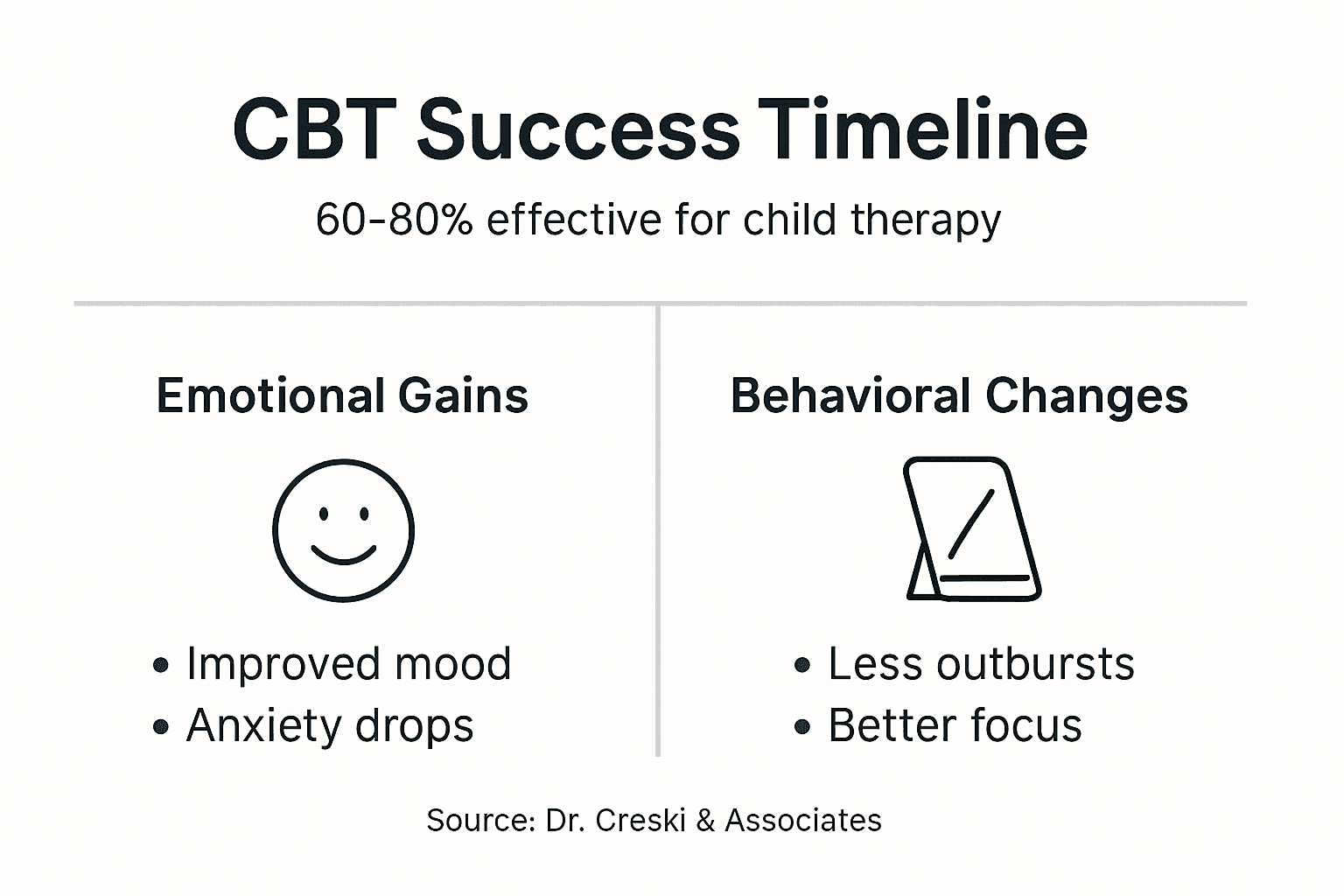
Track progress through agreed-upon milestones with your therapist. These may include reduced anxiety episodes, improved peer interactions, better emotional expression, or enhanced coping skills. Regular assessments help identify what’s working and what needs adjustment.
Combine therapist feedback with your observations at home and school. Create a simple progress log noting positive changes, setbacks, and questions for your next session. This collaborative approach ensures everyone stays aligned.
Consistent attendance and openness significantly impact measurement accuracy. Missing sessions disrupts progress tracking and delays outcomes. Be honest with your therapist about challenges at home so they can adapt interventions accordingly.
Prepare for gradual improvement rather than instant change. Therapy is a process, not a quick fix. Some weeks show rapid progress, others plateau. Trust the process and maintain consistency.
Progress indicators to monitor:
- Frequency and intensity of target behaviors
- Emotional regulation improvements
- Social interactions and peer relationships
- Academic focus and performance
- Family communication quality
Regularly reviewing these indicators with your therapist ensures therapy remains effective and responsive to your child’s evolving needs.
Cost, Insurance, and Alternative Approaches
Financial considerations influence therapy decisions. In Bergen County, average therapy session costs range from $100 to $200 for licensed professionals. Insurance typically covers a portion, though copays, deductibles, and session limits vary widely by plan.
Verify your insurance coverage before starting. Call your provider to confirm mental health benefits, in-network therapists, and any pre-authorization requirements. Many practices offer free insurance verification to simplify this process.
Teletherapy expands access while potentially reducing costs. Compare formats:
| Feature | In-Person Therapy | Teletherapy |
|---|---|---|
| Cost | $100-$200/session | Often $75-$150/session |
| Insurance coverage | Widely covered | Increasingly covered |
| Travel time | Required | None |
| Flexibility | Limited by office hours | More scheduling options |
| Comfort | Professional setting | Familiar home environment |
Teletherapy offers flexibility and accessibility, especially for busy families or children anxious about new environments. Research confirms its effectiveness matches in-person care for most conditions.
Explore financial assistance if insurance is insufficient. Many therapists offer sliding scale fees based on income. Community mental health centers and nonprofit organizations in Bergen County provide low-cost or free services to qualifying families.
Tips for managing costs:
- Verify insurance coverage and in-network providers early
- Ask about sliding scale fees or payment plans
- Consider teletherapy for cost savings and convenience
- Investigate community mental health resources
- Use Health Savings Accounts (HSA) or Flexible Spending Accounts (FSA) for tax-free payments
Financial planning ensures therapy remains accessible and sustainable for your family.
Start Your Child’s Therapy Journey with Dr. Stephen Oreski & Associates
You’ve learned how to recognize therapy needs, prepare effectively, and navigate the process confidently. Now it’s time to take action. Dr. Stephen Oreski and his team in Bergen County specialize in child and family therapy, offering personalized treatment plans tailored to your child’s unique needs.

Whether you’re interested in evidence-based approaches like CBT or want to explore multiple psychotherapy options, expert guidance is within reach. Starting therapy is simple. Schedule a free consultation to discuss your child’s needs and begin psychotherapy treatment with confidence. You can even track your child’s mental health progress throughout the journey to celebrate improvements together. Take the first step today toward your child’s emotional wellness.
Frequently Asked Questions
What are the common signs my child needs therapy?
Persistent mood changes, social withdrawal, frequent behavioral outbursts, declining academic performance, or difficulty regulating emotions signal potential need for professional support. If these symptoms last more than two weeks or interfere with daily functioning, consult a pediatrician or child therapist for evaluation. Trust your instincts as a parent.
How do I prepare my child emotionally for their first therapy session?
Use age-appropriate, positive language to explain that therapy is a safe space to talk about feelings and learn helpful skills. Normalize therapy by mentioning that many children benefit from talking to caring professionals. Involve your child in setting simple goals to boost their sense of ownership and reduce anxiety about the unknown.
What if my child resists attending therapy sessions?
Explore your child’s specific fears or concerns without pressuring them to attend immediately. Communicate openly with the therapist about resistance so they can adjust their approach, perhaps starting with play-based activities or shorter sessions. Gradual introduction and patience often overcome initial reluctance as trust builds.
Can teletherapy be as effective as in-person therapy for children?
Research demonstrates that teletherapy offers similar effectiveness to in-person sessions for most childhood mental health conditions. It’s particularly beneficial when logistics, transportation challenges, or anxiety about new settings inhibit in-person attendance. Ensure you have reliable technology and a quiet, private space for sessions to maximize teletherapy benefits.
Recommended
- Child Psychotherapy: Helping Kids Overcome Emotional Struggles
- Child Therapy: Understanding the Basics and Benefits – Dr. Stephen Oreski & Associates
- Master the Parent-Child Therapy Process for Lasting Family Bonds
- Child Therapy in Families: Transforming Home Dynamics
- How to Coach Youth Basketball for Team Success – Hoop Mentality