

About one in five American adults experience a mental health condition each year, yet many struggle to find a therapist who truly understands their trauma and unique needs. For American trauma survivors, sorting through so many therapy options can feel confusing and isolating. Knowing how to clearly identify your goals and research qualified professionals will empower you to find support that feels safe, specialized, and genuinely effective.
5 Steps to Find the Right Trauma Therapist for You
- Step 1: Identify Your Specific Therapy Needs
- Step 2: Research Qualified Trauma Therapists Near You
- Step 3: Evaluate Therapist Credentials And Experience
- Step 4: Contact Potential Therapists For Consultations
- Step 5: Verify The Fit And Make Your First Appointment
Quick Summary
| Key Insight | Explanation |
|---|---|
| 1. Clearly identify your therapy needs | Understand the nature and impact of your trauma to create a personalized roadmap for emotional recovery. |
| 2. Research qualified therapists nearby | Use professional directories and referrals to compile a list of therapists specializing in trauma treatment. |
| 3. Evaluate therapist credentials carefully | Verify the therapist’s qualifications, including education and experience with trauma treatment methods. |
| 4. Conduct initial consultations with therapists | Prepare questions to assess each therapist’s approach, communication style, and compatibility with your needs. |
| 5. Trust your intuition before committing | Ensure a comfortable therapeutic relationship; if something feels off, continue searching for the right fit. |
Step 1: Identify your specific therapy needs
Identifying your specific therapy needs is the critical first step in finding the right trauma therapist who can provide targeted, effective support. By understanding the unique details of your traumatic experiences and healing goals, you can create a personalized roadmap for emotional recovery that addresses your individual circumstances.
Begin by reflecting on the type and impact of trauma you have experienced. The Trauma Institute & Child Trauma Institute suggests carefully examining the nature of your traumatic event – whether it involves childhood abuse, sexual assault, combat exposure, domestic violence, or another significant psychological wound. Consider how this trauma has manifested in your life through symptoms like anxiety, depression, flashbacks, relationship challenges, or disrupted emotional regulation. Write down specific patterns you have noticed, such as triggers that cause emotional distress, persistent negative thought cycles, or behaviors that feel connected to your traumatic experience.

Part of this process involves setting clear therapy goals that go beyond just managing symptoms. Ask yourself what healing looks like for you. Do you want to develop coping strategies, process unresolved emotional pain, rebuild trust in relationships, or regain a sense of personal empowerment? The different types of psychotherapy can offer varied approaches to help you achieve these objectives. By creating a comprehensive understanding of your needs, you will be better equipped to find a therapist who specializes in your specific type of trauma and can provide the most effective, compassionate support.
Step 2: Research qualified trauma therapists near you
Researching qualified trauma therapists requires a strategic approach to ensure you find a professional who can effectively support your healing journey. This step involves carefully investigating potential therapists who specialize in trauma treatment and have the expertise to address your specific psychological needs.
Start by leveraging multiple research channels to compile a comprehensive list of potential therapists. Professional directories like Psychology Today, professional psychology association databases, and local mental health networks can provide initial candidate pools. Look specifically for therapists who list trauma therapy, PTSD treatment, or specialized trauma modalities among their professional credentials. Pay close attention to their educational background, certifications in trauma treatment approaches like Eye Movement Desensitization and Reprocessing (EMDR), Cognitive Processing Therapy, or Trauma Focused Cognitive Behavioral Therapy. Learn more about trauma therapy to understand the different treatment methodologies and what might work best for your situation.
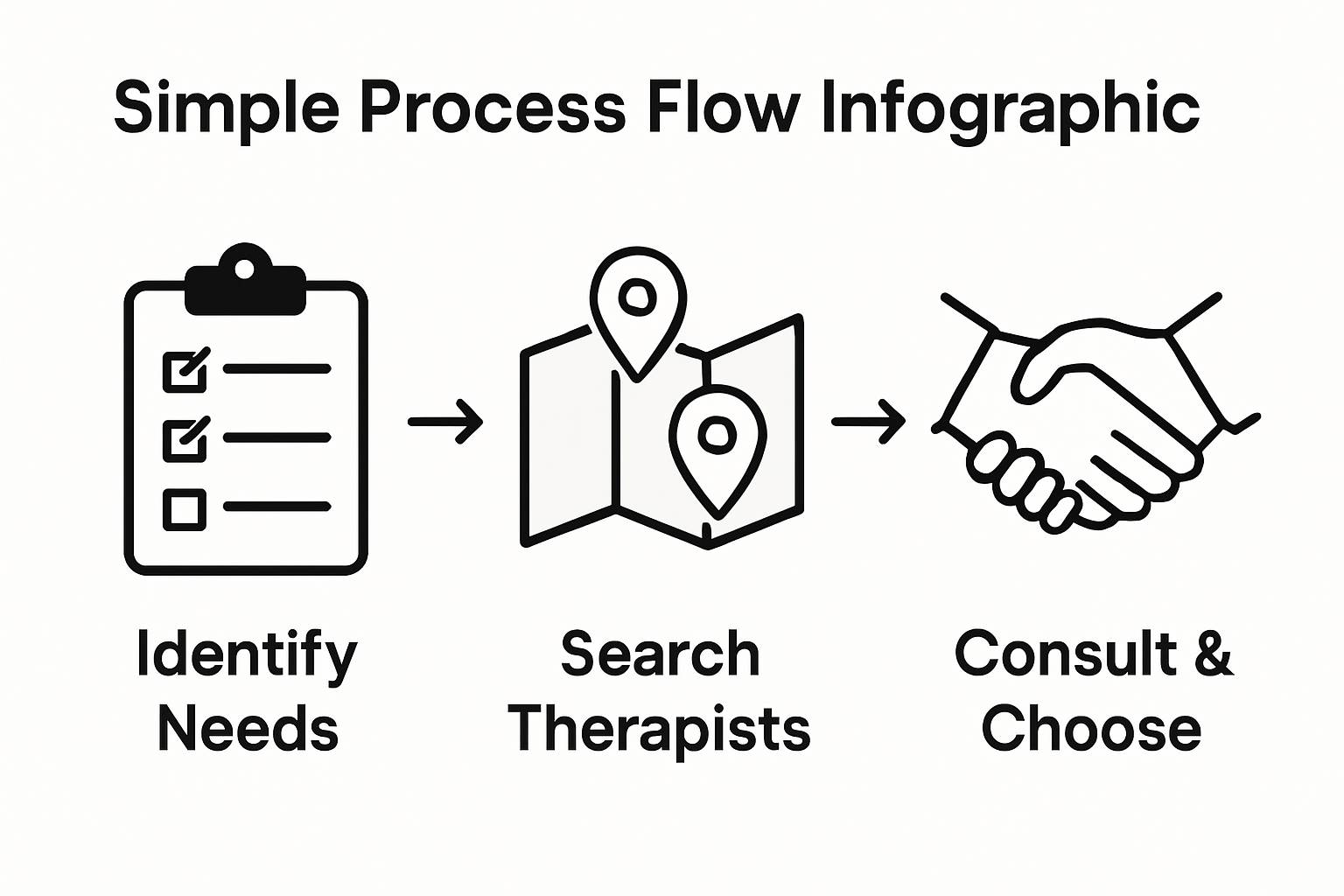
During your research, check therapists credentials with state licensing boards to verify their professional standing. Read online reviews and testimonials carefully, but remember that personal experiences vary widely. Consider reaching out to local counseling centers or support groups for recommendations. Some professional networks offer referral services specifically for trauma survivors, which can provide additional vetted options. Your goal is to create a shortlist of therapists who not only have professional qualifications but also demonstrate a compassionate approach to trauma recovery.
Step 3: Evaluate therapist credentials and experience
Evaluating a trauma therapist’s credentials and experience is a crucial step in finding the right professional support for your healing journey. This process requires careful investigation to ensure you select a qualified therapist who can effectively address your specific trauma needs.
The Association for Behavioral and Cognitive Therapies recommends a comprehensive approach to credential verification. Start by checking the therapist’s academic background, looking for advanced degrees in psychology, counseling, or social work with specialized training in trauma treatment. Confirm their state licensure status through official licensing board websites, which will validate their professional standing and any disciplinary history. Understand the comprehensive role of therapists in mental health support to appreciate the depth of expertise required for trauma recovery.
During your evaluation, conduct a detailed interview with potential therapists to assess their specific trauma treatment experience. Ask about their training in evidence based trauma therapies like Eye Movement Desensitization and Reprocessing (EMDR), Cognitive Processing Therapy, or Trauma Focused Cognitive Behavioral Therapy. Request information about their years of experience working with trauma survivors, their approach to treatment, and success rates in helping clients overcome similar challenges. Pay attention to their communication style and empathy during these conversations, as the therapeutic relationship itself is a critical component of effective trauma recovery. A truly qualified trauma therapist will be transparent about their credentials, willing to answer your questions, and demonstrate a compassionate understanding of trauma healing.
Step 4: Contact potential therapists for consultations
Reaching out to potential trauma therapists is a critical step in finding the right professional support for your healing journey. This phase allows you to gather firsthand information about their approach, assess their communication style, and determine if they might be a good fit for your specific therapeutic needs.
Prepare for initial consultations by creating a structured list of questions that will help you evaluate each therapist effectively. Most mental health professionals offer free initial phone consultations or brief screening sessions. During these interactions, inquire about their experience with trauma treatment, their therapeutic approach, typical treatment duration, and session structures. Learn how to prepare for counseling to maximize the effectiveness of these initial conversations. Be transparent about your trauma history while maintaining personal boundaries, and pay close attention to how comfortable and heard you feel during the conversation.
When contacting therapists, consider multiple communication channels like email, phone, or online contact forms. Some practices offer virtual consultation options, which can be particularly convenient. Compile notes after each consultation comparing the therapists communication style, expertise, and your personal comfort level. Trust your intuition during these interactions the right therapist will make you feel respected, understood, and hopeful about your healing potential. Remember that finding the perfect therapeutic match might take time, and its completely acceptable to speak with multiple professionals before making a final decision.
Step 5: Verify the fit and make your first appointment
Verifying the therapeutic fit is a crucial final step in selecting the right trauma therapist for your healing journey. This process involves carefully evaluating the connection, professional compatibility, and practical considerations that will support your long term treatment goals.
The Trauma Institute & Child Trauma Institute recommends conducting a comprehensive assessment of your potential therapist during initial interactions. Pay close attention to how comfortable you feel discussing sensitive topics, the therapists ability to listen without judgment, and their demonstrated understanding of trauma recovery. Confirm practical details like session availability, insurance coverage, treatment approach, and payment options. Learn about the initial intake process to understand what to expect during your first professional consultation. The National Center for PTSD suggests being transparent about your specific needs and observing how responsive and empathetic the therapist is to your individual circumstances.
Before scheduling your first full appointment, trust your intuition about the therapeutic relationship. A good trauma therapist will create a safe, supportive environment that makes you feel heard and validated. If something feels off during initial consultations, its perfectly acceptable to continue searching for a professional who aligns more closely with your emotional needs and healing objectives. Remember that finding the right therapeutic match is a personal journey, and investing time in selecting the most appropriate support can significantly impact your long term recovery and emotional well being.
Find Compassionate Trauma Therapy Tailored to Your Healing Journey
Feeling uncertain about where to start with trauma therapy is common but you do not have to face this challenge alone. This article guides you through identifying your specific needs and evaluating qualified therapists with methods like EMDR and Trauma Focused Cognitive Behavioral Therapy. Healing begins with finding a therapist who truly understands your experience and goals.

Take the next step today by exploring our Trauma / PTSD Archives – Dr. Stephen Oreski & Associates for valuable insights and discover personalized support options available at https://bergencountytherapist.com. Our team is here to provide compassionate care through free consultations to ensure you find the right fit. Reach out now to start your path toward lasting recovery.
Frequently Asked Questions
How do I identify my specific therapy needs before finding a trauma therapist?
Identifying your specific therapy needs involves reflecting on the type of trauma you have experienced and how it affects your daily life. Write down the symptoms you’re experiencing, your healing goals, and any patterns you’ve noticed to help clarify what you need from therapy.
What should I look for when researching trauma therapists near me?
When researching trauma therapists, focus on their qualifications, experience in trauma treatment, and the specific therapies they offer, such as EMDR or Trauma Focused Cognitive Behavioral Therapy. Use professional directories and local mental health networks to compile a list of candidates that meet your needs.
How can I evaluate a trauma therapist’s credentials and experience effectively?
To evaluate a trauma therapist’s credentials, check their academic background and state licensure status. Prepare a list of questions about their experience with trauma treatments and success rates to assess whether they are a good fit for your needs.
What questions should I ask during consultations with potential trauma therapists?
During consultations, ask about their experience with trauma, their approach to treatment, and what a typical session looks like. Pay attention to how comfortable and understood you feel while discussing your trauma history, as this is crucial for a successful therapeutic relationship.
How can I verify if a trauma therapist is the right fit for me?
To verify the fit, assess your comfort level during initial interactions and how well the therapist listens and understands your needs. Trust your intuition about the connection and schedule the first appointment only if you feel a sense of safety and support in their presence.
What steps should I take after finding a therapist I feel comfortable with?
After finding a therapist you feel comfortable with, confirm practical details like appointment availability and payment options. Schedule your first full appointment, and remain open to discussing any ongoing concerns or questions you might have about the therapeutic process.