

Starting therapy can feel intimidating when you’re unsure what to expect or how to prepare effectively. Many people wonder whether they’ll say the right things, choose the right therapist, or even benefit from the process. This guide walks you through practical steps to prepare for therapy, set meaningful goals, and engage confidently so you can maximize your therapeutic outcomes and reduce first-session anxiety.
In This Guide: Steps to Prepare for Therapy
- Understanding Therapy And Setting Expectations
- Prerequisites: What You Need Before Starting Therapy
- How To Set Therapy Goals And Intentions
- Choosing The Right Therapy Approach And Therapist
- Common Mistakes To Avoid When Preparing For Therapy
- Post-Session Engagement: Maximizing Your Therapy Progress
- Expected Outcomes And How To Measure Success In Therapy
- Start Your Therapy Journey With Support In Bergen County
- Frequently Asked Questions
Key takeaways
| Point | Details |
|---|---|
| Preparation reduces anxiety | Setting clear goals and handling logistics before your first session improves comfort and outcomes. |
| Realistic expectations matter | Avoiding unrealistic expectations prevents early dropout in over 30% of clients. |
| Goal setting boosts success | Discussing therapy goals early increases goal achievement likelihood by 30%. |
| Between-session engagement helps | Journaling and homework assigned by your therapist deepen insights and speed progress. |
| Therapist fit is crucial | Matching therapist expertise and communication style to your needs improves comfort and outcomes. |
Understanding therapy and setting expectations
Therapy is a gradual process that typically unfolds over multiple sessions spanning several months. Understanding this timeline helps you approach therapy with patience and commitment rather than expecting instant transformation. Research shows that avoiding unrealistic expectations such as quick fixes prevents early dropout in more than 30% of clients.
Many people enter therapy believing it works like visiting a doctor for a prescription. They expect a therapist to diagnose their problem and provide an immediate solution. In reality, therapy requires active participation, honest self-reflection, and consistent attendance to build momentum. Setting realistic expectations improves engagement and reduces the likelihood you’ll quit prematurely.
Common misconceptions include thinking therapy will cure all problems quickly or that you’ll feel better after one session. While some clients experience relief early, meaningful change typically requires sustained effort. Knowing what therapy actually entails helps reduce anxiety before your first appointment. To prepare effectively, consider reviewing this therapy preparation guide to understand what you’ll encounter.
Key points to remember:
- Therapy requires multiple sessions over weeks or months for lasting change
- Progress happens gradually through consistent attendance and active participation
- Expecting instant fixes leads to frustration and higher dropout rates
- Understanding the therapeutic process reduces first-session nervousness
- Commitment to regular sessions is essential for success
Prerequisites: what you need before starting therapy
Before your first session, gather a brief personal history including symptom details and reasons for seeking therapy. This preparation streamlines your initial appointment and helps your therapist understand your situation quickly. Write down key life events, current challenges, and any previous therapy experiences to bring focus to early sessions.
Deciding on initial therapy goals before you arrive creates a roadmap for treatment. You don’t need perfect clarity, but having a general sense of what you want to address helps your therapist tailor their approach. Think about whether you’re dealing with anxiety, relationship issues, trauma, or other concerns that brought you to therapy.
Review logistical details like insurance coverage, session fees, and appointment scheduling ahead of time. Clarifying these practicalities prevents surprises that could derail your commitment. Many practices offer free consultations, so take advantage of these opportunities to ask questions and confirm you’re comfortable with the arrangement. You can easily book an appointment once you’ve completed your preparation.

Mentally commit to regular session attendance for sustained progress. Therapy works best when you show up consistently, even on days you don’t feel like it. Gather any relevant medical or psychological records your therapist might need to understand your history comprehensively.
Essential preparation steps:
- Prepare a brief personal history with symptom overview and therapy motivations
- Decide on initial goals to guide early sessions
- Confirm insurance, fees, and scheduling details upfront
- Commit mentally to consistent attendance for best outcomes
- Gather medical or psychological records if applicable
Pro Tip: Write down three specific changes you’d like to see in your life within the next three months. Bringing these concrete goals to your first session gives your therapist a clear starting point and helps you measure progress.
How to set therapy goals and intentions
Writing down specific therapy goals significantly improves session productivity and keeps you focused on what matters most. Vague intentions like “feel better” won’t give you or your therapist enough direction. Instead, create goals that are measurable, realistic, and aligned with your actual needs.
Effective goals might include reducing panic attacks from three times weekly to once monthly, improving communication with your partner, or developing coping strategies for work stress. These concrete targets give you benchmarks to track progress. Research confirms that discussing your therapy goals openly during the first three sessions leads to a 30% greater likelihood of goal achievement.
Discuss your goals with your therapist early to adjust treatment plans as needed. Your therapist can help refine overly ambitious goals or suggest additional areas to address that you hadn’t considered. This collaborative approach ensures you’re working toward outcomes that genuinely improve your life.
Revisit and refine goals periodically as therapy progresses. What seemed urgent in session one might shift as you gain insight. Clear intentions help maintain motivation and track success over time. For additional guidance on preparation, explore this therapy preparation guide.
Steps to set effective therapy goals:
- Identify specific areas of your life causing distress or dysfunction
- Write measurable goals with clear success indicators
- Ensure goals are realistic given your circumstances and timeline
- Discuss and refine goals with your therapist in early sessions
- Review progress monthly and adjust goals as needed
“The clearer your therapy goals, the faster you’ll see meaningful change. Vague intentions produce vague results.”
Pro Tip: Use the SMART framework for goal setting. Make your therapy objectives Specific, Measurable, Achievable, Relevant, and Time-bound. For example, instead of “reduce anxiety,” try “practice breathing exercises daily and reduce panic episodes from three to one per week within two months.”
Choosing the right therapy approach and therapist
Different therapy types serve different needs, and understanding your options helps you make an informed choice. Cognitive Behavioral Therapy (CBT) focuses on changing thought patterns and behaviors, making it effective for anxiety and depression. Psychodynamic therapy explores unconscious patterns rooted in past experiences, while trauma-informed approaches specifically address PTSD and adverse childhood experiences.
Choosing a therapist with expertise matching your concerns significantly improves outcomes. If you’re dealing with relationship issues, a couples therapist makes more sense than a general practitioner. Research shows that familiarity with therapy types increases satisfaction by 25%. Understanding which modality aligns with your needs prevents wasted time and frustration.
Therapist style and communication fit affect your comfort and willingness to engage openly. Some therapists take a directive approach, offering specific strategies and homework. Others use a client-centered style, letting you guide the conversation. Neither is better, but one might suit your personality more effectively. Consider whether you prefer structured sessions or open-ended exploration.
Convenience of scheduling and location also matters for maintaining consistent attendance. An inconvenient office or inflexible hours can sabotage even the best therapeutic relationship. For practical guidance, review these choosing the right therapy tips and this therapist selection guide.
| Therapy Type | Best For | Session Focus |
|---|---|---|
| CBT | Anxiety, depression, phobias | Changing thought patterns and behaviors |
| Psychodynamic | Past trauma, relationship patterns | Exploring unconscious motivations |
| Trauma-Informed | PTSD, adverse childhood experiences | Processing traumatic memories safely |
| Humanistic | Self-growth, personal development | Client-led exploration and insight |
Key considerations:
- Match therapy type to your specific mental health concerns
- Choose a therapist whose expertise aligns with your needs
- Evaluate therapist communication style for personal comfort
- Consider practical factors like location and scheduling flexibility
- Ensure therapy modality aligns with your goals and preferences
Common mistakes to avoid when preparing for therapy
Withholding important information from your therapist undermines treatment effectiveness. You might hesitate to share embarrassing details or sensitive topics, but withholding information reduces therapy effectiveness by 20%. Therapists need the full picture to help you effectively. Remember that confidentiality protects what you share, and therapists have heard everything before.
Setting unrealistic expectations creates frustration and leads to premature dropout. The same research shows that unrealistic expectations cause 30% higher dropout rates. Expecting therapy to fix all your problems in a few sessions sets you up for disappointment. Instead, view therapy as a gradual process with incremental improvements.
Not clarifying fees and insurance details upfront leads to financial surprises that cause appointment cancellations. Research confirms that not clarifying costs leads to appointment cancellations. Ask about session costs, insurance coverage, and payment plans during your initial contact. Financial clarity prevents money stress from interfering with your therapeutic progress.
Inconsistent attendance harms therapeutic progress because trust and momentum build over time. Missing sessions regularly disrupts the therapeutic relationship and slows your progress. Commit to your schedule and treat therapy appointments with the same priority as medical appointments.
Mistakes to avoid:
- Hiding sensitive information that could inform your treatment plan
- Expecting immediate transformation or quick cures from therapy
- Failing to confirm costs, insurance, and payment details before starting
- Attending sessions sporadically instead of maintaining consistency
- Avoiding difficult topics that actually need addressing in therapy
Pro Tip: If you’re nervous about sharing sensitive information early on, tell your therapist you need time to build trust. Most therapists will respect this boundary while gently encouraging you to open up when you’re ready. Building trust is part of the process.
Post-session engagement: maximizing your therapy progress
Maintaining consistent appointments builds momentum and deepens the therapeutic relationship over time. Research shows that consistent session scheduling improves outcomes by 35%. Regular attendance creates continuity that allows your therapist to track patterns and adjust strategies effectively.
Engaging in journaling or homework assigned by your therapist deepens insights between sessions. Studies confirm that journaling enhances emotional insight by 40%. Writing about your experiences helps you process emotions, recognize patterns, and prepare meaningful topics for your next appointment.
Communicating progress and challenges openly, even between sessions if possible, keeps your therapist informed. Many therapists welcome brief check-ins via email or patient portals when something significant happens. This ongoing dialogue ensures your treatment remains responsive to your current needs.
Practicing self-care and applying coping skills learned in therapy reinforces progress. Therapy teaches strategies, but you must practice them in daily life for lasting change. Regular post-session engagement correlates strongly with better mental health outcomes. For additional support strategies, explore mental health between therapy sessions.
Engagement strategies:
- Schedule regular appointments and treat them as non-negotiable commitments
- Complete homework assignments and journaling exercises between sessions
- Communicate significant developments or struggles to your therapist
- Practice coping skills and self-care strategies learned in therapy
- Reflect on session insights throughout the week to deepen understanding
Pro Tip: Keep a therapy journal where you note insights from each session and track your mood daily. Review it before your next appointment to identify patterns and prepare discussion topics. This simple practice significantly accelerates progress.
Expected outcomes and how to measure success in therapy
Most clients see measurable improvements after 8 to 12 sessions, though timelines vary based on individual circumstances and goals. Some people experience relief sooner, while complex trauma or long-standing patterns may require more extended treatment. Understanding typical timelines helps you gauge whether your therapy is progressing appropriately.
Goal achievement and active participation directly correlate with better outcomes. Clients who set clear goals, attend regularly, and complete homework consistently report greater satisfaction and faster improvement. Your level of engagement matters as much as your therapist’s skill.
Signs of success include symptom reduction, improved relationships, and better coping skills. You might notice fewer panic attacks, smoother communication with loved ones, or increased ability to handle stress without falling apart. These concrete changes indicate therapy is working effectively.
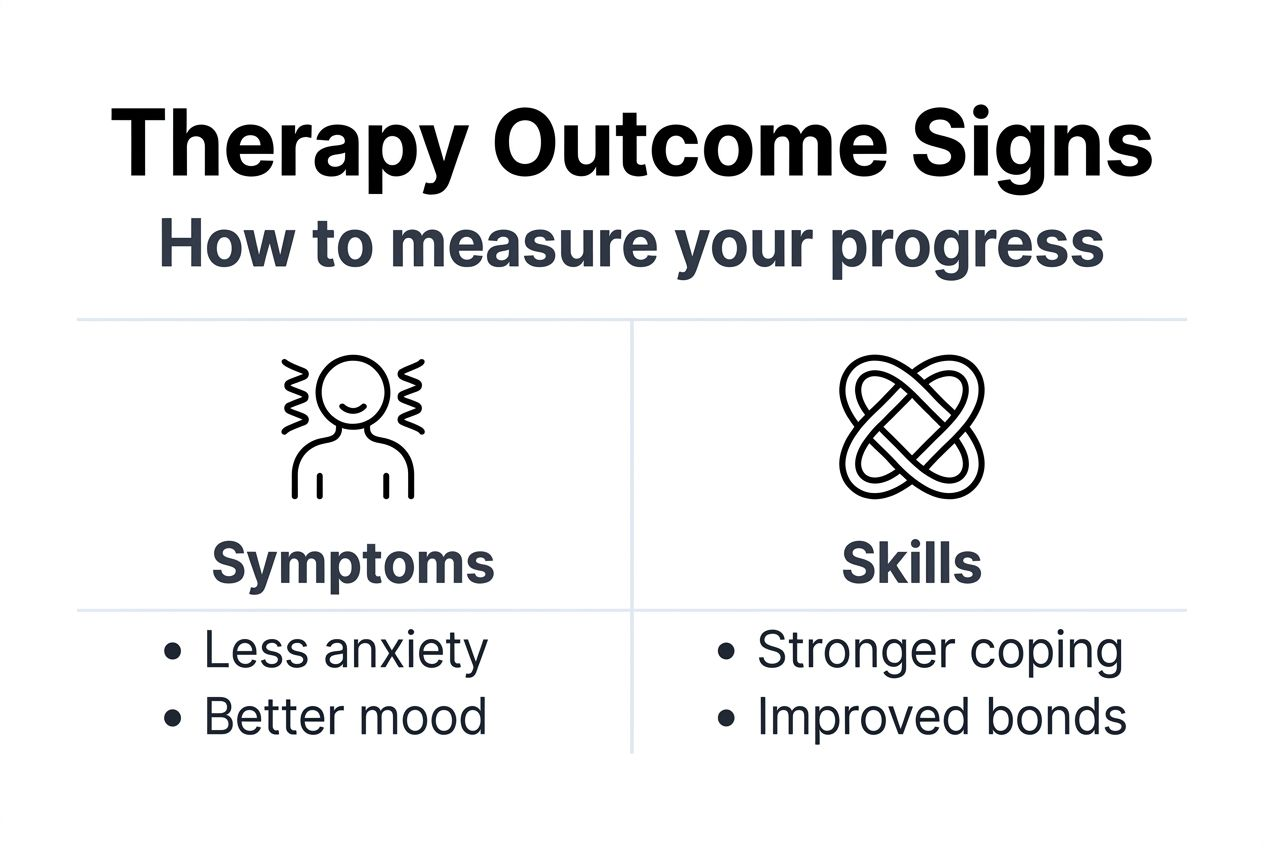
Sustained engagement predicts long-term mental health gains. Clients who continue therapy until they’ve solidified new skills and patterns maintain improvements better than those who quit prematurely. Regularly review goals with your therapist to adjust treatment as your needs evolve.
| Timeline | Expected Progress | Success Indicators |
|---|---|---|
| 4-6 sessions | Initial symptom relief, rapport building | Feeling heard, slight mood improvement |
| 8-12 sessions | Measurable symptom reduction | Using coping skills, achieving small goals |
| 16-20 sessions | Significant behavior changes | Improved relationships, consistent progress |
| 24+ sessions | Long-term pattern shifts | Sustained improvements, relapse prevention |
Start your therapy journey with support in Bergen County
Preparing for therapy becomes easier with professional guidance tailored to your unique situation. Dr. Stephen Oreski & Associates offer comprehensive psychotherapy services throughout Bergen County, helping clients navigate everything from initial preparation to long-term treatment success.

Whether you’re exploring therapy for the first time or seeking a better therapeutic fit, expert support makes the process smoother and more effective. The practice offers diverse approaches including individual, couples, family, and trauma-informed therapy, ensuring you find the right match for your needs. Learn about your options by exploring psychotherapy treatment and reviewing the different types of psychotherapy available. For additional guidance on selecting the best approach, visit practical tips for choosing the right type of therapy.
Frequently asked questions
How long does therapy usually take to show results?
Most clients notice progress after 8 to 12 sessions, though timelines vary by individual circumstances and treatment goals. Active participation, consistent attendance, and completing homework assignments often speed results significantly.
What should I bring to my first therapy session?
Bring a brief personal history including symptom notes, reasons for seeking therapy, and insurance or payment information. Having initial goals prepared helps guide the session and gives your therapist direction for treatment planning.
How do I choose the right therapist for me?
Consider therapist expertise related to your specific concerns, their communication style, and the therapy approach they use. Comfort and trust are essential factors, so don’t hesitate to try consultations with multiple therapists before committing.
How can I get the most out of therapy sessions?
Set clear goals with your therapist, attend sessions regularly without canceling, and engage actively through homework and journaling between appointments. Be open and honest about your experiences to build trust and accelerate progress toward your objectives.