
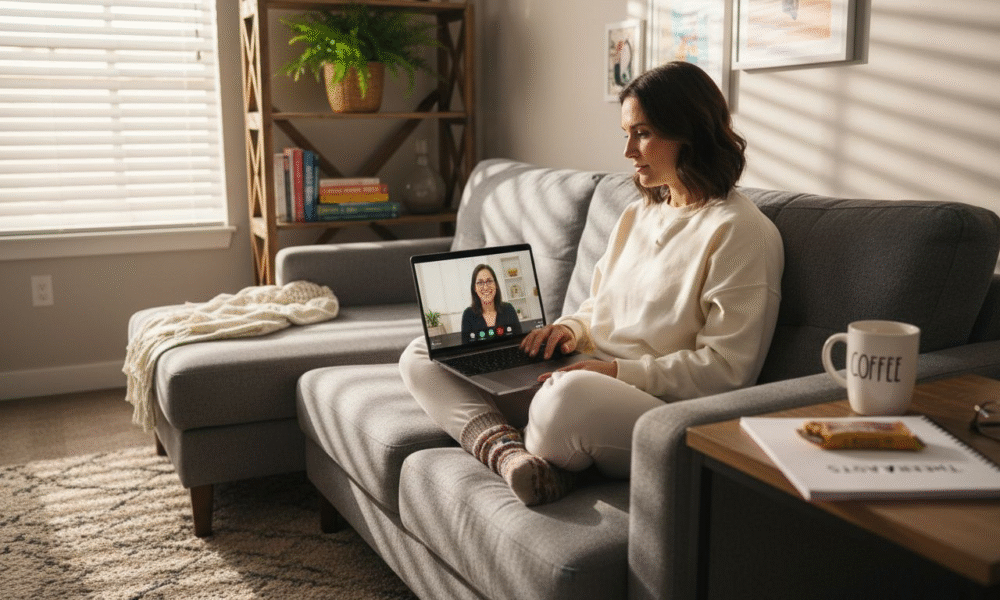
Balancing deadlines, family time, and daily responsibilities in Bergen County often leaves you feeling stretched thin and overwhelmed. Access to virtual therapy means you can connect with licensed professionals right from home, eliminating long commutes and scheduling chaos. Backed by the American Psychological Association, virtual sessions offer comparable outcomes to in-person therapy and maintain a strong emotional connection. If stress and anxiety are affecting your work-life balance, this article explains how remote therapy fits into your busy life and provides real solutions.
Table of Contents
- What Virtual Therapy Really Means
- Popular Types And Methods Explained
- How A Virtual Therapy Session Works
- Benefits Versus Limitations Of Virtual Therapy
- Security, Privacy, And Legal Safeguards
- Getting Started: Choosing The Right Therapist
Key Takeaways
| Point | Details |
|---|---|
| Accessibility and Flexibility | Virtual therapy allows for scheduling sessions without commuting, making it easier to integrate into busy lives. |
| Effectiveness and Quality | Research shows that virtual therapy can yield similar clinical outcomes as in-person sessions, maintaining therapeutic rapport. |
| Customizable Treatment Methods | Therapists can utilize various evidence-based approaches tailored to individual needs during virtual sessions. |
| Emphasis on Security and Privacy | Virtual platforms use encryption and HIPAA compliance to protect client confidentiality in therapy sessions. |
What Virtual Therapy Really Means
Virtual therapy is mental health care delivered through technology instead of in a physical office. You connect with a licensed therapist using video calls, phone sessions, or other digital platforms from wherever you feel most comfortable. This simple shift in delivery method opens up therapy to people who struggle with traditional scheduling, commuting, or mobility challenges.
Think of virtual therapy as traditional psychotherapy adapted for the digital age. Your therapist still uses the same evidence-based interventions, therapeutic techniques, and personalized treatment plans they would use in person. The main difference is the medium. Research from the American Psychological Association shows that virtual therapy produces similar clinical outcomes as in-person therapy, with clients maintaining strong emotional connection and therapeutic rapport despite the physical distance.
What makes this distinction important for someone like you living in Bergen County is timing and accessibility. You might fit a session into your lunch break without rushing across town, or schedule appointments during evenings when you’re less stressed. For people managing demanding work schedules and family responsibilities, this flexibility often means the difference between going to therapy and skipping it altogether.
Virtual therapy isn’t a watered-down version of real therapy. Licensed mental health professionals deliver the same quality treatment through secure video platforms. The therapeutic relationship you build with your therapist remains just as meaningful. You’re still working with someone trained in evidence-based approaches to address anxiety, stress, trauma, or whatever brought you to seek help.
The pandemic accelerated virtual therapy adoption significantly, but it’s now a permanent fixture in mental health care. Therapists and clients discovered that this approach actually works. When you understand what the benefits of online therapy truly are, you can make an informed decision about whether it fits your life and needs.
Pro tip: When scheduling your first virtual therapy session, test your technology setup at least 24 hours beforehand to ensure your internet connection is stable, your camera works clearly, and you have a private, quiet space where you won’t be interrupted.
Popular Types and Methods Explained
Virtual therapy isn’t one single approach. Your therapist can use multiple evidence-based methods delivered through your screen, each designed to tackle different challenges. The flexibility of virtual platforms actually makes it easier for therapists to customize treatment specifically for your needs, whether you’re dealing with anxiety, stress from work-life balance, relationship problems, or past trauma.
Cognitive Behavioral Therapy (CBT) is one of the most common approaches you’ll encounter in virtual settings. CBT helps you identify thought patterns that fuel stress and anxiety, then teaches you concrete skills to interrupt those patterns. During sessions, your therapist guides you through exercises, and you practice them at home between appointments. This method works particularly well for people managing work stress and perfectionism.
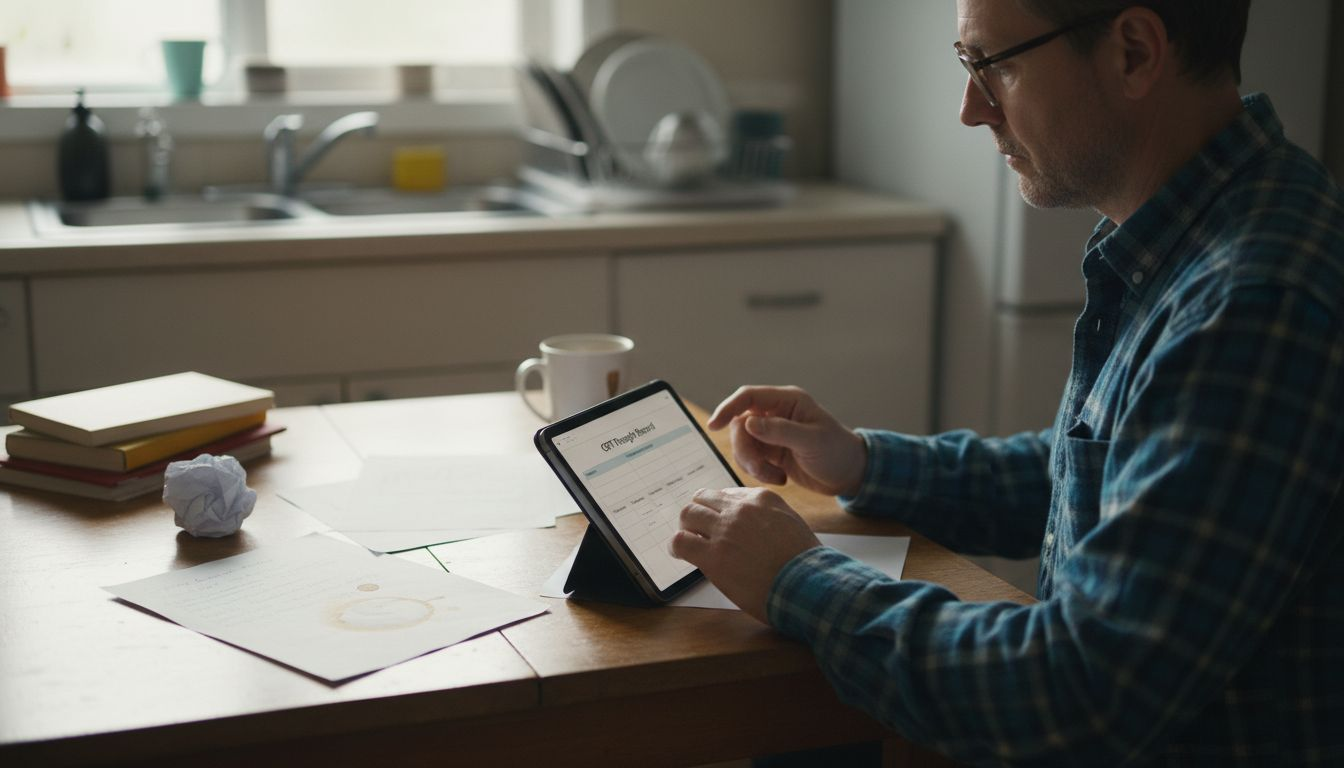
Exposure therapy addresses anxiety disorders by gradually helping you face situations or thoughts that trigger fear. In virtual sessions, your therapist creates a safe space to work through these triggers step by step. You might discuss anxiety-producing scenarios, practice relaxation techniques, then apply them in real life before your next appointment.
Interpersonal therapy focuses on relationships and communication patterns. This approach helps you understand how your interactions with others affect your stress levels and emotional well-being. For Bergen County residents juggling careers and family, this method often reveals how workplace conflicts or relationship dynamics contribute to overall stress.
Supportive counseling provides a straightforward, compassionate space to process what’s happening in your life. Your therapist listens, validates your experience, and helps you develop coping strategies. This approach works well as a starting point or when combined with other methods.
The beauty of virtual therapy is that your therapist can match the treatment method to your specific situation. Some people benefit from one focused approach, while others see better results from a combination of techniques delivered flexibly through video, phone, or secure chat.
Here’s a quick overview of major virtual therapy methods and their main focus areas:
| Therapy Type | Primary Focus | Typical Benefits | Best For |
|---|---|---|---|
| Cognitive Behavioral | Changing thought patterns | Reduces anxiety, improves coping | Work stress, perfectionism |
| Exposure Therapy | Facing anxiety triggers | Gradual desensitization, resilience | Phobias, social anxiety |
| Interpersonal Therapy | Improving relationships | Enhances communication, connection | Relationship stress, work dynamic |
| Supportive Counseling | Emotional support | Validates feelings, builds coping | Transitional stress, new issues |
Pro tip: During your first consultation, ask your therapist which evidence-based approach they recommend for your specific concerns and why that method works well in virtual settings for your situation.
How a Virtual Therapy Session Works
A virtual therapy session follows a straightforward structure that mirrors in-person appointments, minus the commute. You schedule your appointment through a secure platform, then log in from your private space at the agreed time. Your therapist sends you a link or instructions to join the video call, and you connect just like you would for any other virtual meeting.
Once the session starts, you and your therapist interact exactly as you would in an office. You discuss what’s troubling you, explore your feelings, and work through therapeutic techniques together. The therapist observes your body language and verbal cues to understand your emotional state. Sessions typically run 40 to 60 minutes, giving you plenty of time to dig into what matters.
The key difference is your environment. You choose where to sit. Maybe that’s your quiet bedroom, a coffee shop corner, or your car during lunch. That flexibility matters when you’re balancing work meetings and family obligations. Your therapist can also pick up on details in your home environment that provide context for your stress and challenges.
Encrypted technology keeps everything confidential. Your therapist cannot record sessions without permission, and the platform uses the same security standards as banking apps. You can feel confident discussing sensitive topics about work stress, relationships, or anxiety.
Between sessions, many therapists offer additional support. You might text check-ins, email reflections about your week, or request guidance on techniques you’re practicing at home. This ongoing access means you’re not waiting weeks for your next appointment when you need support. The structure of virtual therapy actually creates more touchpoints for healing than traditional weekly appointments alone.
Understanding the role of virtual therapy in modern mental health care helps you see how this format fits into a comprehensive approach to managing stress and building lasting change.
Pro tip: Set up your virtual space the day before your first appointment, choosing a location with good lighting, minimal background noise, and a door you can close to ensure complete privacy during your session.
Benefits Versus Limitations of Virtual Therapy
Virtual therapy opens doors that traditional in-person therapy cannot. You access care from your home without fighting Bergen County traffic or taking time off work for appointments. This accessibility alone transforms therapy from something you squeeze in when convenient into something you can actually maintain consistently. Research from the American Psychological Association confirms that most clients benefit similarly from virtual and in-person therapy, making this a genuinely effective option for stress management.
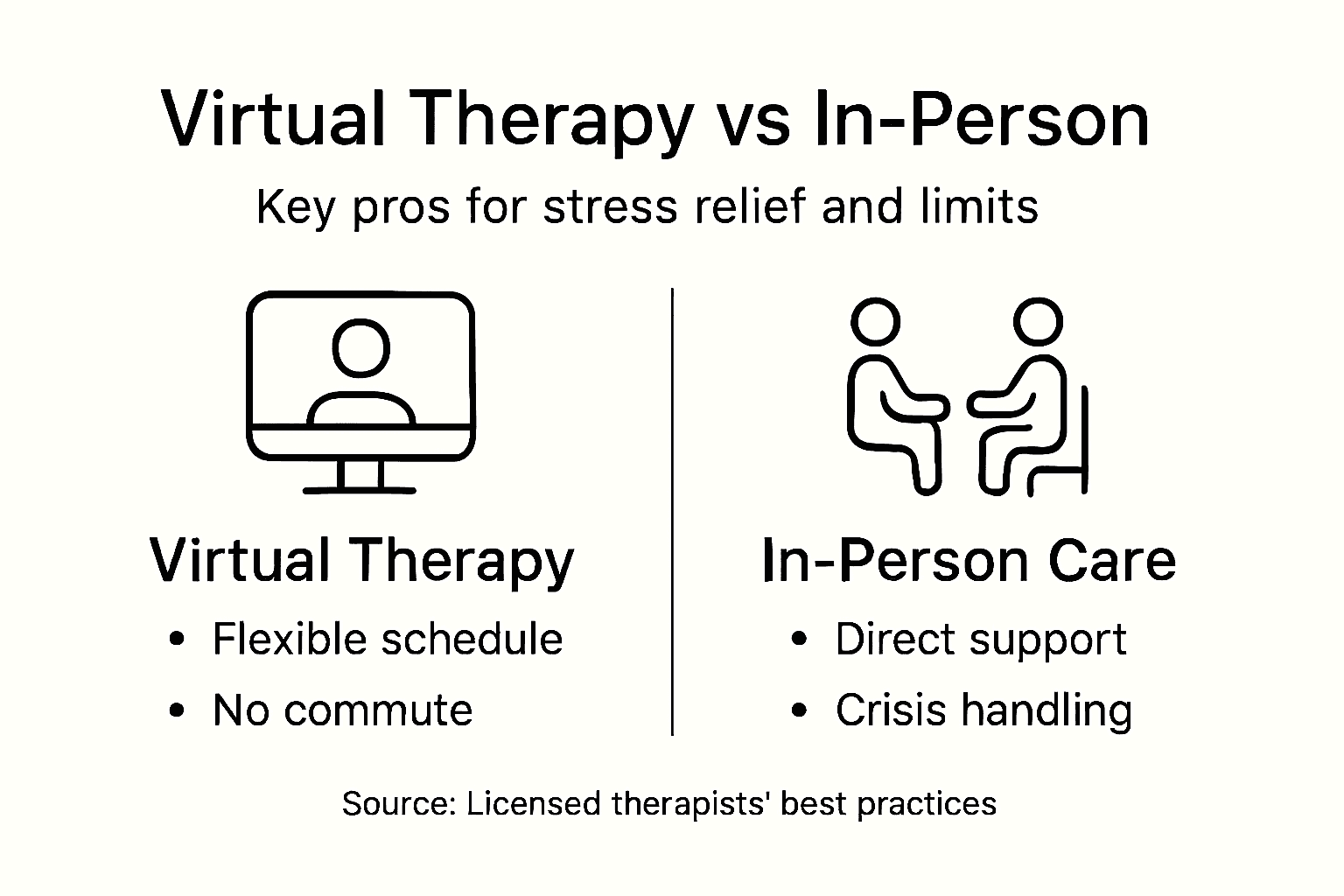
The convenience factor changes the game for your work-life balance. You eliminate commute time, which means therapy becomes realistic even on busy weeks. You can attend sessions during lunch breaks, between meetings, or early mornings before family responsibilities kick in. That flexibility translates to better consistency, and consistent therapy produces better results.
Privacy concerns do exist, though. You need reliable internet and a quiet space where others cannot hear your conversation. If you live with roommates, family, or have unpredictable interruptions, finding that privacy requires planning. Some people struggle with technology itself, making video sessions frustrating rather than helpful. Your comfort level with digital tools genuinely matters.
Certain situations work better with in-person care. Acute mental health crises, severe psychiatric conditions requiring intensive monitoring, or situations where nonverbal cues are critical sometimes demand face-to-face appointments. Your therapist can help determine whether virtual works for your specific needs or whether you need in-person sessions, at least initially.
The honest truth is this: virtual therapy is not one-size-fits-all, but neither is in-person therapy. What matters is finding the format that matches your situation, your comfort level, and your clinical needs. Some weeks you might prefer virtual. During a crisis, you might need in-person support. That flexibility is actually a strength.
This table summarizes key benefits and limitations of virtual therapy versus in-person sessions:
| Factor | Virtual Therapy Advantages | In-Person Therapy Advantages | Limiting Factors for Virtual |
|---|---|---|---|
| Accessibility | No travel, flexible scheduling | Physical presence, real-time cues | Requires reliable tech setup |
| Consistency | Easier to fit into busy weeks | Structured weekly routine | Privacy concerns at home |
| Privacy/Security | Encrypted sessions, remote access | Controlled clinical space | Risk of household interruptions |
| Suitability | Good for mild-moderate concerns | Better for acute or complex cases | Less ideal during mental health crises |
Why virtual counseling works for modern life depends entirely on your circumstances, technology access, and therapeutic goals. The key is making an informed choice with professional guidance.
Pro tip: Before committing to virtual therapy, test your technology setup, confirm your privacy needs are manageable, and discuss with your therapist whether virtual fits your current situation or if a hybrid approach combining both formats would serve you better.
Security, Privacy, and Legal Safeguards
When you share personal struggles with a therapist, you need absolute confidence that your information stays confidential. Virtual therapy platforms meet that requirement through serious security infrastructure. Licensed therapists use encrypted video conferencing software that scrambles your conversation so hackers cannot intercept it. Think of encryption like a locked safe. Only you and your therapist have the key.
HIPAA is the federal law protecting your health information in the United States. Your therapist must comply with HIPAA requirements, which means they cannot share your information without written consent, cannot discuss your case casually, and must store your records securely. Violations carry serious penalties, which incentivizes therapists to take privacy seriously. You deserve that protection.
Your therapist’s licensure matters enormously. Licensed mental health professionals in New Jersey and New York must meet specific education requirements, pass licensing exams, and follow ethical codes. This licensure extends to virtual therapy. A legitimate therapist displays their license number and credentials transparently. If you cannot find this information easily, that is a red flag.
Informed consent is a legal requirement before therapy begins. Your therapist explains how your information is used, what happens if you need emergency services, and the limits of confidentiality. You sign documents confirming you understand these details. This protects both you and your therapist by establishing clear expectations.
One practical reality: complete privacy depends partly on you. Connect from a private location where conversations cannot be overheard. Use secure internet connections, not public WiFi. Your therapist cannot guarantee confidentiality if someone nearby hears your session. The security infrastructure protects the technology side. You protect the environmental side.
Legal frameworks continue evolving as telehealth expands, with regulators working to ensure virtual therapy maintains the same ethical and legal standards as in-person care. Your therapist stays current on these regulations to serve you properly.
Pro tip: Before your first session, ask your therapist explicitly about their HIPAA compliance, the encryption methods they use, their license number, and their emergency protocols so you know exactly how your information and safety are protected.
Getting Started: Choosing the Right Therapist
Finding the right therapist is personal. You need someone whose approach matches your personality, someone who specializes in stress management or anxiety, and someone you genuinely trust. Virtual therapy actually expands your options significantly. Instead of being limited to therapists in Bergen County, you can connect with licensed professionals across regions, increasing your chances of finding someone who fits your needs perfectly.
Start with credentials. Look for therapists licensed in New Jersey or New York who hold degrees in counseling, social work, psychology, or marriage and family therapy. These credentials mean they completed required education, passed licensing exams, and follow ethical standards. On therapy platforms and websites, legitimate therapists display their license numbers openly. If you cannot easily find this information, move on to someone else.
Specialization matters. A therapist trained in cognitive behavioral therapy for anxiety is different from one specializing in couples work or trauma. Review therapist profiles carefully. Look for someone whose experience includes the specific issues you want to address. Someone experienced with work-related stress and perfectionism will understand your Bergen County corporate environment differently than a generalist.
Consider communication style. Some therapists are direct and structured. Others are conversational and warm. Read reviews and bios. Many platforms let you schedule brief introductory calls before committing. Use that opportunity. Ask about their approach to stress management. Notice whether they listen or dominate the conversation. Chemistry matters in therapy.
Trust your gut instinct. If something feels off during an initial conversation, that is valid feedback. You are not obligated to work with anyone, and finding the right match often requires trying a few therapists. Many people cycle through two or three before landing on someone who clicks.
When evaluating potential therapists, understanding practical tips for choosing the right type of therapy helps you assess whether their methods align with your goals and preferences.
Pro tip: Schedule introductory consultations with at least two or three therapists before deciding, and ask specifically about their experience with work-related stress and whether they offer a free initial consultation to assess fit.
Discover Effective Stress Relief Through Virtual Therapy
If you are feeling overwhelmed by work stress, family demands, or anxiety, virtual therapy offers a flexible and accessible solution tailored to your life in Bergen County. This approach uses proven methods like talk therapy to help you manage stress without the hassle of commuting or rigid scheduling. With confidential video sessions conducted from your own private space, you receive professional support designed to fit your unique needs.

Start your journey toward lasting relief today by exploring our range of services that include individualized treatment plans delivered virtually or in person. Learn more about the benefits of compassionate talk therapy and how group settings can accelerate healing at Group Therapy for Healing and Growth. Ready to take control of your mental well-being Reach out now through Dr. Stephen Oreski & Associates to schedule your free consultation and find the right therapist match who understands your stress and goals.
Frequently Asked Questions
What is virtual therapy and how does it work for stress relief?
Virtual therapy is mental health care provided through technology, allowing you to connect with a licensed therapist via video calls, phone sessions, or digital platforms. It helps individuals manage stress by providing flexible access to evidence-based therapeutic techniques from a comfortable environment.
What types of therapy are commonly used in virtual sessions for stress relief?
Common types of therapy used in virtual sessions include Cognitive Behavioral Therapy (CBT) to modify negative thought patterns, Exposure Therapy to face anxiety triggers gradually, Interpersonal Therapy to improve relationships, and Supportive Counseling for emotional support and coping strategies.
How do I prepare for my first virtual therapy session?
To prepare for your first virtual therapy session, test your technology setup at least 24 hours in advance to ensure a stable internet connection and a working camera. Choose a quiet, private space free from interruptions to make the most of your session.
What are the advantages of virtual therapy compared to in-person sessions for stress management?
Virtual therapy offers significant advantages, including no travel time, increased scheduling flexibility, and improved consistency in attending sessions. Most clients experience similar benefits from virtual therapy as they would from in-person sessions, making it a practical option for effective stress relief.
Recommended
- Coping with Stress – Dr. Stephen Oreski & Associates
- Stress Management | Dr. Stephen J. Oreski & Associates | Paramus NJ
- Coping With Stress: Tips for Working Professionals in the Modern Age – Dr. Stephen Oreski & Associates
- What Is Virtual Couples Therapy? Complete Guide – Dr. Stephen Oreski & Associates
- SERVICII VR (REALITATE VIRTUALA) – Dr. Nassar – Clinica Implantologie Dr. Lorelei Nassar