

Sorting through mental health advice online can feel like drinking from a fire hose. Every platform offers a new “life-changing” habit, and it’s hard to know what’s actually backed by research versus what just sounds good. If you live in Bergen County and want real strategies for personal growth, emotional balance, and stress relief, you’re in the right place. This article cuts through the noise and gives you four evidence-supported mental health tips that therapists actually recommend, along with clear explanations of why each one works.
Table of Contents
- How to evaluate mental health tips: What really works?
- 1. Practice daily gratitude to shift your mindset
- 2. Use proven coping skills for tough situations
- 3. Build supportive habits: Nutrition, sleep, and movement
- 4. Discover methods for personal growth and resilience
- Explore therapy options for deeper support
- Frequently asked questions
Key Takeaways
| Point | Details |
|---|---|
| Gratitude extends life | A daily gratitude practice can boost your mood and is linked to up to 10 years longer life. |
| Combine coping skills | Using both problem-focused and emotion-focused strategies helps you adapt to any stress. |
| Healthy habits matter | Good sleep, nutrition, and activity lay the foundation for emotional well-being. |
| Relationships build resilience | Nurturing personal connections makes you more resilient to life’s challenges. |
How to evaluate mental health tips: What really works?
Before diving into the list, it’s important to know why some mental health strategies work better than others. The internet is full of advice that sounds reasonable but has little science behind it. Knowing how to spot the difference saves you time and frustration.
Here’s what separates effective mental health strategies from trendy noise:
- They’re backed by repeated studies, not just one small experiment.
- They’re recommended by major health authorities, like the American Psychological Association or Mayo Clinic.
- They’re adaptable, meaning they work across different life situations and stress types.
- They address both thoughts and behaviors, not just surface-level feelings.
Meta-analyses show adaptive coping and gratitude practices are linked to longer life, less stress, and better outcomes. That’s not a small finding. That’s decades of research pointing in the same direction. Similarly, CBT and adaptive coping skills improve both mental and physical health, making them among the most versatile tools available.
“The strategies that consistently show up in research are the ones worth your time. Gratitude, coping skills, sleep, and connection aren’t just feel-good advice. They’re clinically supported habits.”
If you’re already curious about effective stress management, these four strategies build directly on that foundation. And if you’ve ever wondered whether gratitude journal benefits are real, the answer is a clear yes, and we’ll explain exactly why below.
1. Practice daily gratitude to shift your mindset
With these criteria in mind, let’s start the list with one of the easiest and most effective habits: gratitude. It costs nothing, takes about five minutes, and the research behind it is surprisingly strong.
The practice is simple. Each night before bed, write down three specific things that went well that day. They don’t have to be big. A good cup of coffee counts. The goal is consistency, not perfection.
Here’s why it works:
- It interrupts negative self-talk by forcing your brain to scan for positives.
- It builds optimism over time through a process called cognitive retraining.
- It reduces rumination, which is the habit of replaying stressful events on a mental loop.
- It strengthens emotional resilience, making setbacks feel less permanent.
Those who cultivate gratitude live longer and experience more frequent positive emotions, according to empirical studies. That’s a remarkable return on a five-minute daily habit. The mental health benefits of gratitude extend well beyond mood, touching sleep quality, relationship satisfaction, and even physical health markers.
Pro Tip: Pair your gratitude journaling with positive affirmations in the morning. Bookending your day with intentional positivity creates a mental buffer against daily stressors.
One important note: gratitude works best when it’s specific. “I’m grateful for my family” is less effective than “I’m grateful my daughter called me today just to check in.” Specificity activates the emotional centers of the brain more powerfully than vague statements.
2. Use proven coping skills for tough situations
Along with gratitude, robust coping skills are essential for mental resilience. But not all coping is created equal. Therapists generally divide coping into two main types, and knowing which to use when makes a real difference.
| Coping type | Best used when | Examples |
|---|---|---|
| Problem-focused | The stressor can be changed or solved | Making a plan, problem-solving, time management |
| Emotion-focused | The stressor is out of your control | Mindfulness, self-soothing, journaling, breathing |
Problem-focused coping targets the stressor directly. If you’re overwhelmed at work, you might break tasks into smaller steps or talk to your manager about workload. Emotion-focused coping manages how you feel about a situation you can’t change, like grieving a loss or waiting on a medical result.
Here’s how to apply both in real life:
- Identify the stressor clearly. Is it something you can act on, or something you must accept?
- Choose the matching coping type. Don’t try to problem-solve something that’s out of your hands.
- Practice the skill repeatedly. Coping is a skill, not a personality trait. It improves with use.
- Combine both types for chronic stress. Long-term stressors usually need both action and emotional regulation.
CBT techniques and adaptive coping reduce stress and improve outcomes for both mental and physical health. This is why CBT basics are taught in therapy offices across Bergen County every single day. The framework is flexible enough to apply to job stress, relationship conflict, health anxiety, and more.
Pro Tip: If you’re a working professional, the stress reduction tips for busy adults on our site pair perfectly with these coping frameworks. Small adjustments to your daily routine can yield significant relief.
The key insight here is flexibility. Rigid coping, meaning always using the same strategy regardless of the situation, tends to backfire. Adaptive coping means reading the situation and choosing the right tool for the moment.
3. Build supportive habits: Nutrition, sleep, and movement
Beyond mindset and skills, daily living habits form the bedrock of mental health. You can practice all the gratitude and coping skills in the world, but if you’re sleeping four hours a night and skipping meals, your brain simply won’t have the resources to regulate emotion effectively.
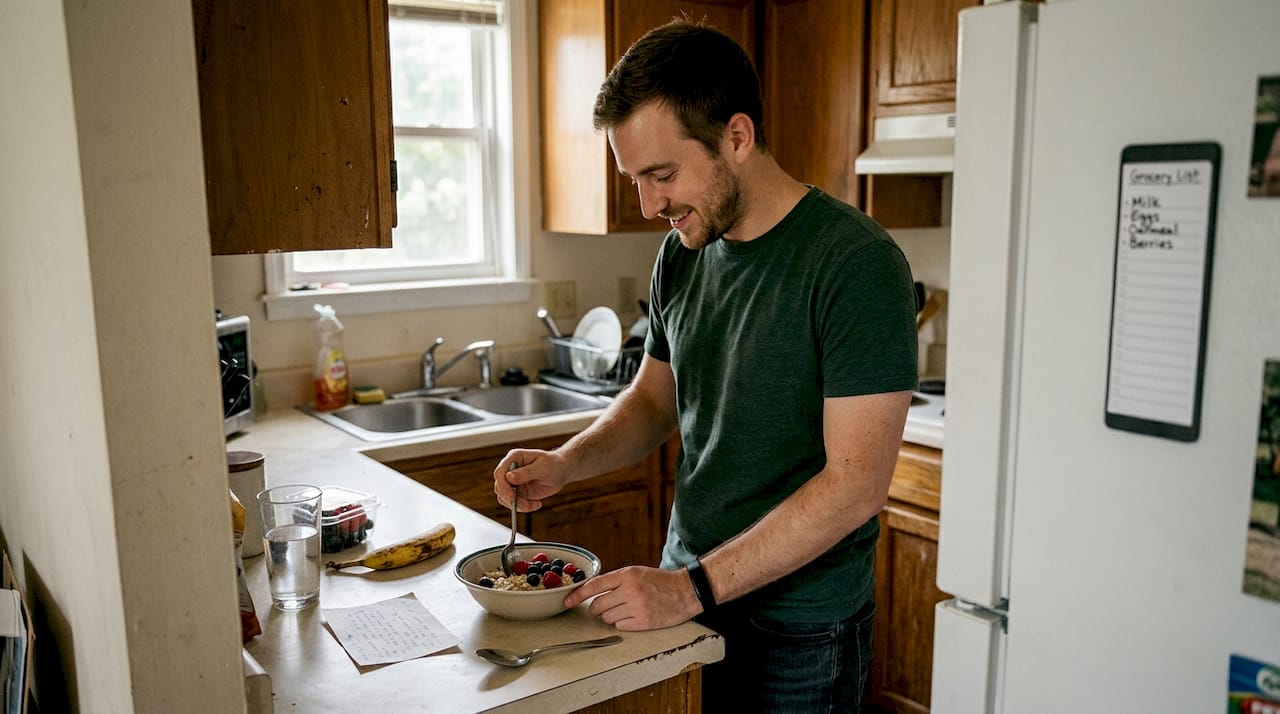
Here’s a quick look at how each lifestyle factor connects to mental health:
| Habit | Mental health impact | Recommended target |
|---|---|---|
| Sleep | Regulates mood, stress response, and memory | 7 to 9 hours per night |
| Nutrition | Affects energy, focus, and emotional balance | Balanced meals, limit ultra-processed foods |
| Movement | Reduces depression and anxiety risk | 150 minutes of moderate activity per week |
Sleep is often the most underrated mental health tool. Poor sleep amplifies negative emotions, reduces impulse control, and makes stress feel more intense. CBT-I (Cognitive Behavioral Therapy for Insomnia) is the gold-standard treatment for chronic sleep problems, and it works without medication.
Key habits to build into your week:
- Set a consistent sleep and wake time, even on weekends.
- Eat regular meals to stabilize blood sugar and mood.
- Move your body daily, even a 20-minute walk counts toward your weekly goal.
- Limit alcohol and caffeine, both of which disrupt sleep architecture.
Practicing mindfulness in everyday routines can also anchor these habits. A mindful morning routine, for example, sets a calmer tone for the entire day. For a broader look at building consistency, the mental health habits guide on our site offers a practical starting point.
The research is clear: guidelines recommend multicomponent CBT-I, healthy routines, and regular activity for managing stress, pain, and insomnia. These aren’t optional extras. They’re the foundation everything else is built on.
4. Discover methods for personal growth and resilience
Once healthy habits are in place, the next step is to actively grow and build lasting resilience. This is where positive psychology comes in. Positive psychology is the scientific study of what makes life worth living, focusing on strengths rather than deficits.
Here’s what the research supports for sustained personal growth:
- Lean into your strengths. Identify what you’re naturally good at and find ways to use those strengths daily.
- Celebrate small wins. Progress, not perfection, is what builds confidence over time.
- Nurture close relationships. Connection is one of the strongest predictors of resilience. Even one trusted person in your corner makes a measurable difference.
- Address stigma directly. If mental health stigma is holding you back, educating yourself and others is a form of advocacy that also builds personal strength.
- Use local resources. Bergen County residents have access to Intensive Outpatient Programs (IOP), which offer structured support without requiring a full inpatient stay.
Positive psychology and relationship strength foster growth, and addressing stigma while utilizing local programs is a vital part of that process. This isn’t about toxic positivity or pretending life is perfect. It’s about building a realistic, strengths-based view of yourself and your capacity to handle challenges.
“Resilience isn’t something you either have or you don’t. It’s built, one small decision at a time, through habits, relationships, and the willingness to ask for help.”
For Bergen County adults ready to go deeper, affirming therapy for growth offers a structured path to self-discovery. Community-based approaches, like those described in coping through community programs, can also provide the social scaffolding that makes individual growth sustainable.
Explore therapy options for deeper support
Self-help strategies are powerful, but sometimes you need a trained professional in your corner. If these four tips have sparked something in you, that’s a sign you’re ready to go further.
At Bergen County Therapist, Dr. Stephen Oreski and his team offer personalized therapy for adults navigating stress, anxiety, depression, relationship challenges, and more. Whether you’re just starting out or have been struggling for a while, tracking your mental health is a great first step before your initial consultation. From there, you can explore depression therapy options or browse the full range of psychotherapy choices available both in-person and online. A free consultation is available to help match you with the right therapist for your specific needs.
Frequently asked questions
How long does it take to see results from daily gratitude practice?
Most people notice improved mood in as little as two weeks, with long-term benefits increasing the longer you stick to the habit.
What’s the difference between problem-focused and emotion-focused coping?
Problem-focused coping addresses the issue itself, while emotion-focused coping helps you manage how you feel about the problem. CBT includes both types for well-rounded mental health support.
How can I improve sleep to boost my mental health?
Try a regular sleep schedule, reduce screen time before bed, and consider CBT-I for chronic insomnia, which is the most evidence-based non-medication treatment available.
How do I build more supportive relationships for mental health?
Focus on nurturing trust, spending quality time, and communicating openly. Strong relationships and positive psychology are among the most reliable predictors of lasting personal growth.