

More than 60 percent of American families reporting communication problems say stress from daily routines and conflicting schedules leaves little space for connection. If you are a parent in Bergen County trying to manage disagreements or misunderstandings with your loved ones, the challenge can feel relentless. Online family therapy offers practical ways to bridge gaps, clear up confusion, and create healthier patterns at home without needing to juggle commutes or waitlists.
Table of Contents
- Defining Online Family Therapy And Misconceptions
- Types Of Online Therapy For Families
- How Virtual Family Therapy Works
- Benefits And Challenges Of Online Family Therapy
- Privacy, Safety, And Legal Considerations
- Comparing Costs And Alternatives
Key Takeaways
| Point | Details |
|---|---|
| Effectiveness of Online Family Therapy | Research shows that online family therapy can significantly enhance treatment engagement and completion rates. It provides a viable alternative to traditional face-to-face therapy. |
| Flexible Communication Methods | Various digital tools, including video conferencing and messaging platforms, promote continuous engagement and facilitate therapeutic interventions tailored to family needs. |
| Accessibility and Convenience | Online family therapy overcomes geographical barriers, allowing families to receive mental health support without the constraints of travel or scheduling conflicts. |
| Privacy and Security Considerations | It is essential for therapists to implement robust HIPAA-compliant measures to ensure the confidentiality and protection of sensitive information during online therapy sessions. |
Defining Online Family Therapy and Misconceptions
Online family therapy represents an innovative approach to mental health treatment that leverages digital platforms to help families improve communication, resolve conflicts, and strengthen relationships from the comfort of their homes. Unlike traditional in-person therapy, online family therapy utilizes video conferencing, secure messaging platforms, and interactive digital tools to facilitate therapeutic interactions between family members and mental health professionals.
Contrary to early misconceptions, research demonstrates that online family therapy can be remarkably effective. A recent study in the Formative journal revealed that telehealth intensive outpatient programs with family involvement significantly improved treatment engagement, attendance, and completion rates. Understanding Family Therapy becomes crucial in recognizing how digital platforms can bridge therapeutic gaps and provide accessible mental health support.
The primary components of online family therapy typically include structured video sessions, shared digital worksheets, real-time communication tools, and personalized treatment plans tailored to each family’s unique dynamics. Families participating in remote therapy often experience enhanced flexibility, reduced travel constraints, and increased convenience compared to traditional therapeutic models. Particularly for families in Bergen County juggling multiple schedules, online therapy offers a practical solution for maintaining consistent mental health support.
Research also challenges initial skepticism about remote therapy’s effectiveness. A qualitative study in PLOS ONE explored remote Dyadic Developmental Psychotherapy, demonstrating that digital platforms can serve as a critical lifeline for families seeking specialized healthcare support. While some limitations exist, such as reduced non-verbal communication, trained therapists can effectively adapt their techniques to the online environment.
Pro Tip: Before starting online family therapy, ensure all family members have a reliable internet connection and a quiet, private space for participating in sessions.
Types of Online Therapy for Families
Online family therapy encompasses several distinct approaches designed to address unique family dynamics and communication challenges. Videoconference therapy remains the primary mode of digital therapeutic intervention, allowing families to interact face-to-face through secure, HIPAA-compliant platforms that simulate traditional in-person counseling sessions. These sessions enable real-time communication, emotional engagement, and therapeutic interaction across physical distances.
Research from Springer highlights multiple modalities within online family therapy, including therapy approaches tailored to family needs. These approaches typically include behavioral therapy, which focuses on modifying specific interaction patterns, cognitive therapy targeting thought processes and communication styles, and systemic therapy examining broader family relationship dynamics. Each approach can be effectively adapted to digital delivery, providing flexible therapeutic interventions for families experiencing various challenges.
Additional online therapy types include asynchronous communication methods like secure messaging platforms, digital worksheets, and structured online exercises. These tools allow families to engage with therapeutic content between live sessions, creating continuous opportunities for reflection, skill-building, and interpersonal growth. Particularly for families in Bergen County managing complex schedules, these flexible communication options provide unprecedented access to mental health support.
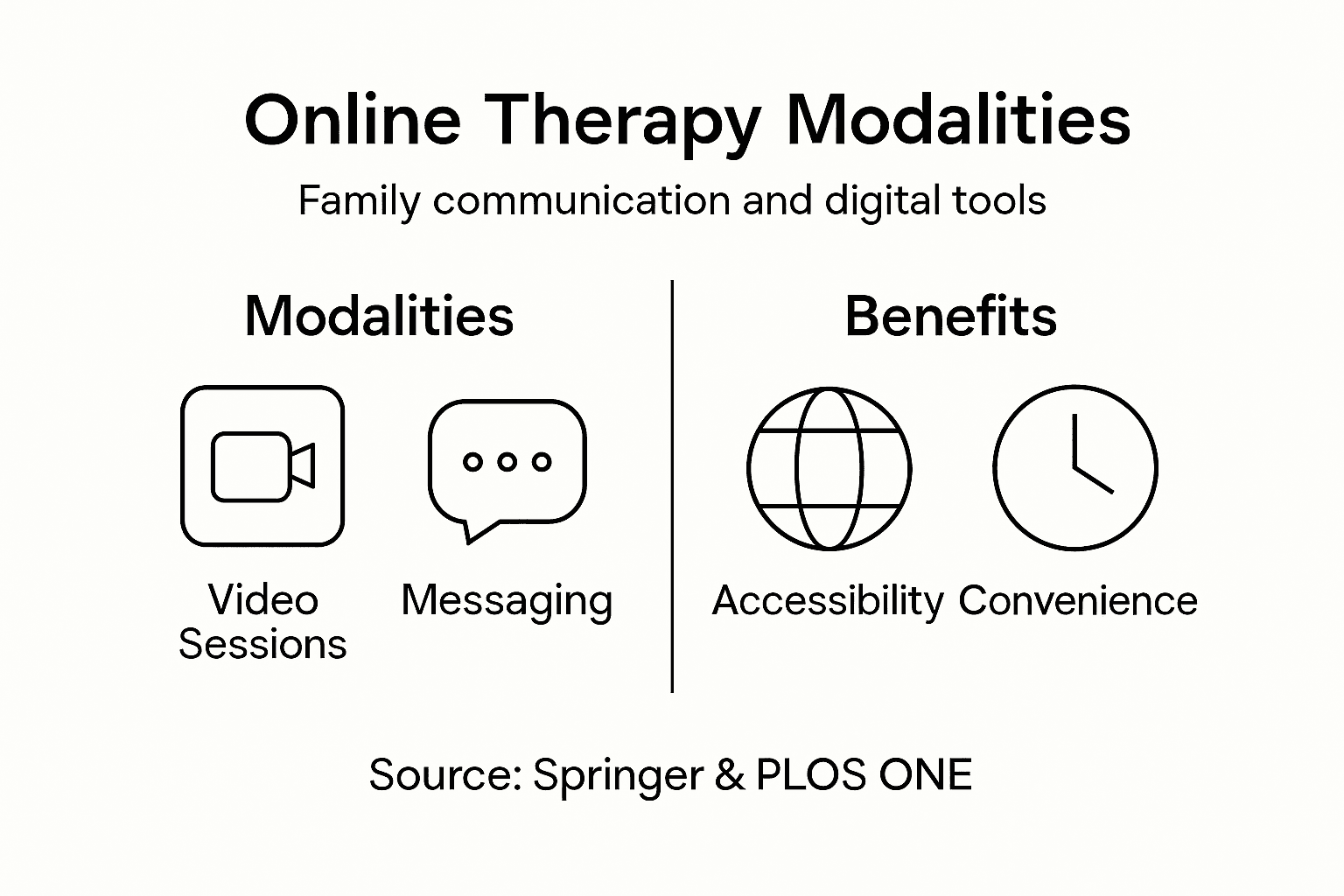
The evolving landscape of online family therapy also incorporates specialized techniques such as group video sessions, individual breakout rooms, and collaborative digital tools that enhance therapeutic engagement. Therapists can now utilize screen-sharing capabilities, interactive assessment platforms, and personalized digital resources to create comprehensive, multi-dimensional treatment experiences that transcend traditional therapeutic boundaries.
Here is a quick comparison of popular online family therapy approaches and their main focuses:
| Therapy Approach | Focus Area | Typical Use Cases |
|---|---|---|
| Behavioral Therapy | Changes interaction patterns | Resolving recurring conflicts |
| Cognitive Therapy | Modifies thought and communication | Addressing negative thinking |
| Systemic Therapy | Examines family relationship systems | Improving family dynamics |
| Asynchronous Methods | Messaging and offline exercises | Busy or remote families |
Pro Tip: Before beginning online family therapy, discuss technological comfort levels and potential communication preferences with all family members to ensure a smooth and inclusive therapeutic experience.
How Virtual Family Therapy Works
Virtual family therapy represents a sophisticated digital approach to mental health intervention, leveraging advanced technology to create meaningful therapeutic experiences across physical distances. Video conferencing platforms serve as the primary communication medium, enabling real-time interactions that closely mimic traditional face-to-face counseling sessions. These secure, HIPAA-compliant digital environments allow therapists to observe family dynamics, interpret nonverbal communication, and facilitate structured therapeutic conversations.
Research from Europe PMC highlights how therapeutic techniques like Directed Family Play Therapy can be successfully adapted to telemental health settings. Role of Virtual Therapy demonstrates that therapists can maintain clinical effectiveness by creatively utilizing digital tools, interactive screen-sharing capabilities, and specialized online assessment techniques. The process typically involves comprehensive preparation, including technological setup, establishing clear communication protocols, and creating a comfortable virtual environment for all participants.
Functional Family Therapy studies during the COVID-19 pandemic revealed important insights into managing therapeutic engagement online. Therapists now employ sophisticated strategies to maintain therapeutic alliance, including individual breakout rooms, digital collaborative tools, and structured interactive exercises designed specifically for virtual platforms. These approaches help overcome potential challenges like reduced physical proximity and limited non-verbal communication cues, ensuring that families receive comprehensive and emotionally supportive interventions.
The technical infrastructure of virtual family therapy involves multiple integrated components, including high-quality video and audio equipment, secure messaging platforms, digital worksheets, and personalized treatment tracking systems. Therapists must be adept at navigating these technological resources while maintaining the same level of empathy, observation, and therapeutic intervention they would provide in traditional settings.
Pro Tip: Conduct a technology trial run before your first virtual therapy session to ensure all family members are comfortable with the digital platform and understand basic technical requirements.
Benefits and Challenges of Online Family Therapy
Online family therapy offers a transformative approach to mental health support, providing unprecedented accessibility and flexibility for families navigating complex communication challenges. Accessibility emerges as the primary benefit, enabling families in remote areas or with limited mobility to receive professional therapeutic interventions without geographical constraints. This digital platform breaks down traditional barriers, allowing families to connect with specialized therapists regardless of physical location or scheduling limitations.
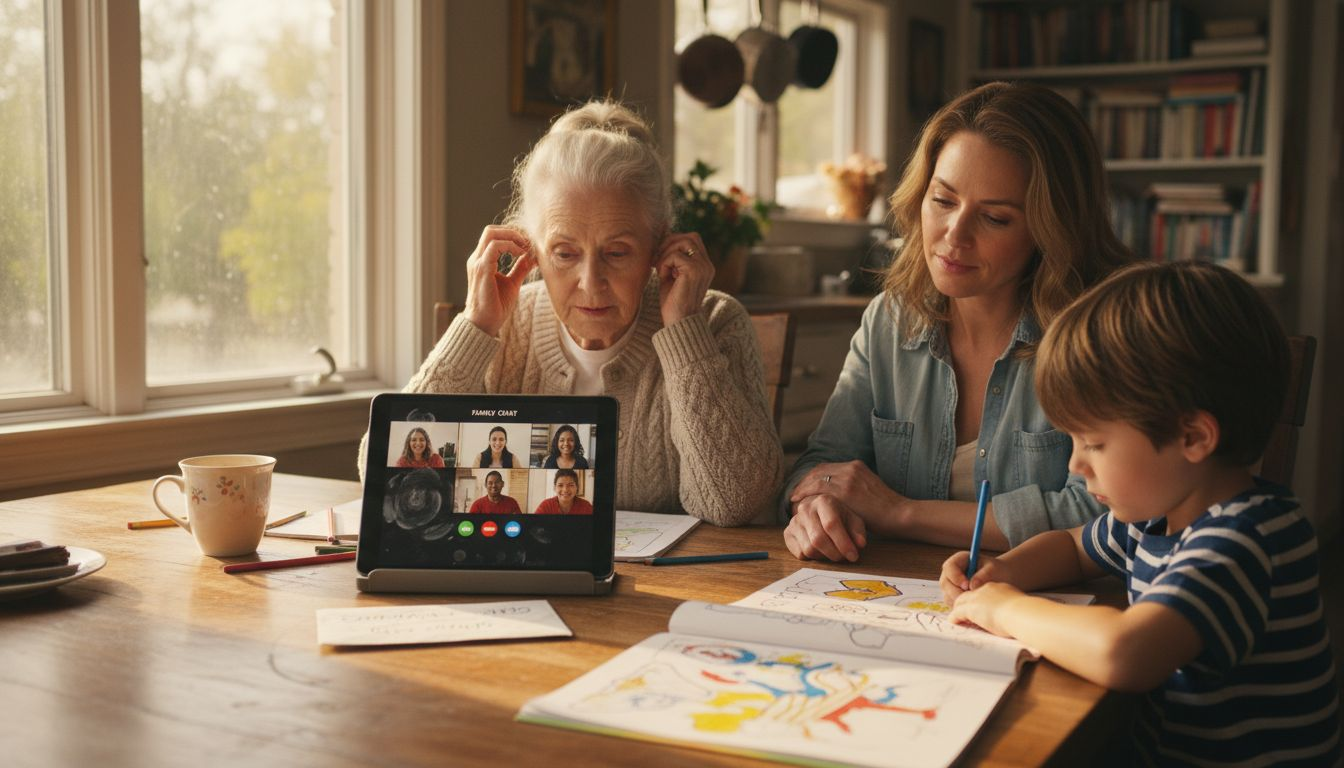
Research from PLOS ONE highlights the nuanced landscape of virtual therapeutic experiences, revealing both significant advantages and potential limitations. The Benefits of Online Therapy demonstrate that digital platforms can dramatically improve family communication by offering convenient, consistent, and personalized therapeutic interactions. Key benefits include reduced travel time, increased scheduling flexibility, and the ability to participate from the comfort of one’s home environment, which can help families feel more relaxed and open during therapeutic sessions.
However, online family therapy is not without challenges. The most prominent concerns include potential reductions in non-verbal communication, technological barriers, and variations in individual comfort with digital platforms. Therapists must develop specialized skills to interpret emotional nuances through video interfaces, manage potential technical interruptions, and create engaging virtual environments that maintain therapeutic momentum. Some family members might find digital interactions less intimate compared to traditional face-to-face counseling, requiring therapists to employ creative strategies to build trust and emotional connection.
The effectiveness of online family therapy ultimately depends on individual family dynamics, technological proficiency, and the therapist’s ability to adapt traditional therapeutic techniques to digital platforms. Successful implementation requires a collaborative approach, with families and therapists working together to create a comfortable, supportive virtual therapeutic experience that addresses unique communication challenges and promotes emotional healing.
Pro Tip: Establish a quiet, private space with stable internet connection before beginning your online family therapy sessions to minimize potential technological disruptions.
Privacy, Safety, and Legal Considerations
Privacy protection stands as the cornerstone of effective online family therapy, requiring comprehensive digital security measures to safeguard sensitive personal information. Therapists must implement robust technological infrastructures that comply with stringent Health Insurance Portability and Accountability Act (HIPAA) regulations, ensuring that all digital communications remain confidential and protected from potential unauthorized access or data breaches.
Research from Springer highlights the critical importance of proactive data management strategies in digital therapeutic environments. Legal Considerations in Online Therapy emphasize the need for therapists to develop sophisticated protocols for cloud-based storage, client information management, and secure communication channels. These protocols must address complex challenges including data encryption, secure video platforms, protected messaging systems, and comprehensive informed consent processes that clearly outline digital privacy expectations.
Legal considerations in online family therapy extend beyond basic data protection, requiring therapists to navigate intricate jurisdictional challenges, professional licensing requirements, and evolving telehealth regulations. Therapists must maintain professional standards by verifying client identities, establishing secure digital environments, and implementing rigorous consent procedures that explicitly address potential technological risks. This includes detailed discussions about platform security, potential communication interruptions, and the limits of digital therapeutic interventions.
Understanding the nuanced legal landscape requires families and therapists to collaborate transparently, establishing clear boundaries and mutual expectations regarding digital communication. Ethical practice demands ongoing professional development, continuous assessment of technological platforms, and a commitment to maintaining the highest standards of client confidentiality and emotional safety in an increasingly digital therapeutic landscape.
Pro Tip: Request and carefully review your therapist’s detailed privacy policy and HIPAA compliance documentation before beginning online family therapy sessions.
Comparing Costs and Alternatives
Online family therapy presents a range of pricing models and alternatives that can accommodate diverse financial situations and therapeutic needs. Therapy costs vary widely, typically ranging from $60 to $250 per session, depending on factors like therapist credentials, session duration, and specialized expertise. Families in Bergen County can explore multiple options to find a financially sustainable approach to mental health support that doesn’t compromise therapeutic quality.
Affordable Therapy Options reveal several strategic approaches to managing therapeutic expenses. Insurance coverage plays a critical role, with many providers now offering partial or full reimbursement for online family therapy sessions. Some families might qualify for sliding scale fees, which adjust pricing based on household income, making professional therapeutic support more accessible. Group therapy sessions and package deals can also provide more economical alternatives to traditional individual counseling.
Alternative therapeutic approaches offer additional cost-effective options for families seeking communication support. Community mental health centers, university counseling programs, and nonprofit organizations frequently provide reduced-rate or free family therapy services. Some digital platforms offer subscription-based models that can significantly reduce per-session costs, allowing families to access consistent support without the financial strain of traditional hourly rates. These alternatives can be particularly valuable for families experiencing economic constraints while still prioritizing mental health and interpersonal communication.
To better understand costs and financial alternatives, see this summary table:
| Option | Typical Cost/Model | Notable Benefit |
|---|---|---|
| Online Family Therapy | $60–$250 per session | Specialty care; flexible schedule |
| Insurance Coverage | Varies by plan | May offset substantial costs |
| Sliding Scale Fees | Income-based | Affordable for lower incomes |
| Group Sessions/Packages | Lower per session | Reduces total expense |
| Community or University | Low or free | Accessible for budget-limited |
Beyond traditional pricing models, families can explore innovative approaches like peer support groups, online resources, self-help workshops, and digital communication skills training. These supplementary options can complement professional therapy, providing additional tools and strategies for improving family dynamics at a lower cost point. The key is finding a balanced approach that meets both therapeutic needs and financial capabilities.
Pro Tip: Contact your health insurance provider to confirm online therapy coverage and explore potential reimbursement options before selecting a therapeutic service.
Strengthen Family Communication with Expert Online Support
Families facing communication challenges deserve compassionate and accessible help tailored to their unique needs. This article highlights how online family therapy can improve interaction patterns and emotional connection through flexible, secure digital platforms. If you are seeking practical solutions to enhance your family dynamics and navigate conflicts effectively, exploring specialized approaches like behavioral and systemic therapy online can be transformative.

Discover personalized care with Dr. Stephen Oreski and his team at Family Therapy Archives – Dr. Stephen Oreski & Associates. Our dedicated professionals design treatment plans that embrace modern online modalities to fit your schedule and comfort level. Take the first step toward lasting positive change by visiting https://bergencountytherapist.com. Connect with us today for a free consultation and find the support your family needs to thrive.
Frequently Asked Questions
What is online family therapy?
Online family therapy is a digital approach to mental health treatment that uses video conferencing and secure messaging platforms to help families improve communication and resolve conflicts from their homes.
How does virtual family therapy work?
Virtual family therapy primarily utilizes video conferencing platforms for real-time interactions, allowing therapists to observe family dynamics and facilitate therapeutic discussions in a confidential, secure environment.
What are the benefits of online family therapy?
The benefits of online family therapy include increased accessibility, scheduling flexibility, and the comfort of participating from home, which can enhance openness and communication during sessions.
Are there any challenges associated with online family therapy?
Yes, challenges may include potential reductions in non-verbal communication, technological barriers, and differences in comfort levels with digital platforms. Therapists must develop techniques to effectively engage clients in a virtual setting.
Recommended
- How Family Therapy Can Help Families Be Resilient During COVID-19 – Dr. Stephen Oreski & Associates
- The Benefits of Family Counseling? – Dr. Stephen Oreski & Associates
- Encouraging Conversations About Mental Health Within the Family Unit – Dr. Stephen Oreski & Associates
- Guía paso a paso terapia familiar para mejorar relaciones
- 8 herramientas para terapia de pareja – Comparación experta 2026 – reKindle | The Relationship Assistant AI