

Choosing the right therapist can feel overwhelming when trauma, identity struggles, or relationship challenges seem too heavy to carry alone. For many in Bergen County, finding truly personalized care means partnering with someone who brings more than clinical expertise. Research highlights that a therapist’s personal qualities and authentic presence have a profound impact on real healing, often shaping outcomes more than any specific treatment model. Here you’ll discover how therapy becomes a transformative, collaborative process for LGBTQIA adults and couples ready for change.
Comprehensive Guide to Therapist Roles & Therapeutic Approaches
- Defining The Therapist’s Healing Role
- Major Therapy Modalities And Approaches
- How Therapy Aids Trauma Recovery
- Affirmative Therapy For Lgbtqia Clients
- Responsibilities And Ethics In Therapy
- Common Myths And Pitfalls To Avoid
Key Takeaways
| Point | Details |
|---|---|
| Therapist’s Role | Therapists are active participants in clients’ healing, using empathy and expertise to foster psychological transformation. |
| Diverse Modalities | Various therapeutic approaches, such as CBT and Psychodynamic Therapy, offer distinct strategies tailored to client needs. |
| Trauma Recovery | Effective trauma therapy employs evidence-based methods that address emotional wounds and promote resilience. |
| Ethical Practice | Adhering to ethical standards is crucial for building trust and ensuring client welfare throughout the therapeutic process. |
Defining the Therapist’s Healing Role
A therapist’s healing role transcends traditional clinical interventions, representing a complex, deeply personal journey of supporting psychological transformation. More than simply applying therapeutic techniques, healing emerges through the therapist’s deliberate, compassionate engagement with clients’ inner emotional landscapes. Therapists serve as skilled navigators, helping individuals explore painful experiences, reframe destructive narratives, and discover pathways toward psychological resilience.
Within therapeutic relationships, practitioners become active participants in clients’ healing processes. Trauma therapy research demonstrates that the therapist’s personal qualities significantly impact treatment outcomes. Their empathetic presence, authentic vulnerability, and professional expertise create a safe container where psychological wounds can be acknowledged, understood, and gradually transformed. This relational dynamic requires therapists to develop profound self-awareness, emotional intelligence, and genuine commitment to their clients’ wellbeing.
The healing role involves strategic, intentional interventions tailored to individual client needs. Therapists assess psychological challenges, develop personalized treatment approaches, and guide clients through complex emotional terrain. They employ various therapeutic modalities – from cognitive behavioral techniques to psychodynamic explorations – always centering the client’s unique experience. Professional skills blend with human compassion, creating a collaborative environment where psychological growth becomes possible.
Pro tip:When seeking therapy, prioritize finding a practitioner whose personal approach and professional philosophy resonate with your individual healing journey.
Major Therapy Modalities and Approaches
Psychotherapy encompasses a diverse range of treatment approaches designed to address complex psychological challenges. Different types of psychotherapy offer unique strategies for understanding and healing mental health concerns, each with distinct methodologies and therapeutic goals. These modalities provide specialized frameworks for exploring emotional experiences, behavioral patterns, and psychological dynamics.
Among the most prominent therapeutic approaches are Cognitive Behavioral Therapy (CBT), Psychodynamic Therapy, Humanistic Therapy, and Dialectical Behavior Therapy. CBT focuses on identifying and restructuring negative thought patterns, helping clients develop more adaptive cognitive strategies. Psychodynamic approaches delve into unconscious processes, exploring how early life experiences shape current psychological functioning. Humanistic therapy emphasizes personal growth, self-actualization, and individual potential, while Dialectical Behavior Therapy provides specialized support for emotional regulation and interpersonal effectiveness.
Therapeutic modalities are not one-size-fits-all solutions. Each approach offers unique strengths, and skilled therapists often integrate multiple techniques to create personalized treatment plans. Factors like individual personality, specific psychological challenges, and treatment goals inform the selection of appropriate therapeutic strategies. Some clients might benefit from short-term, solution-focused interventions, while others require more extensive, exploratory approaches that address deep-seated psychological patterns.
Here is a comparison of major therapy modalities and their primary focus:
| Therapy Modality | Core Focus | Typical Benefits |
|---|---|---|
| Cognitive Behavioral Therapy | Thought and behavior change | Reduces anxiety, depression |
| Psychodynamic Therapy | Unconscious processes | Deep self-understanding |
| Humanistic Therapy | Personal growth | Fosters self-acceptance |
| Dialectical Behavior Therapy | Emotional regulation | Improves relationships |
Pro tip:Consider scheduling initial consultations with multiple therapists to understand which therapeutic approach feels most comfortable and aligned with your personal healing journey.
How Therapy Aids Trauma Recovery
Trauma recovery represents a complex psychological journey that requires specialized therapeutic interventions designed to address deep emotional wounds. Trauma therapy provides survivors with critical tools and strategies for processing painful experiences, rebuilding psychological resilience, and reclaiming personal agency. The healing process involves understanding trauma’s profound impact on mental and emotional functioning, creating safe pathways for integrated recovery.
Evidence-based approaches like Trauma-Focused Cognitive Behavioral Therapy (TF-CBT) and Eye Movement Desensitization and Reprocessing (EMDR) offer structured methodologies for addressing traumatic memories. These therapeutic techniques help individuals systematically process distressing experiences, reduce symptomatic reactions, and develop healthy coping mechanisms. Innovative interventions such as somatic experiencing and neurofeedback expand traditional treatment models by addressing trauma’s physiological manifestations, recognizing that healing requires comprehensive mind-body approaches.
Effective trauma therapy goes beyond symptom management, focusing on holistic psychological reconstruction. Therapists create supportive environments where survivors can safely explore their experiences, challenge negative belief systems, and gradually rebuild a sense of safety and trust. The therapeutic relationship itself becomes a powerful healing mechanism, providing consistent support, validation, and guidance through complex emotional terrain. Each treatment plan is uniquely tailored, acknowledging that trauma recovery is a deeply personal journey with no universal template.

Pro tip:Approach trauma recovery with patience and self-compassion, understanding that healing is a nonlinear process with individual variations in timeline and experience.
Affirmative Therapy for LGBTQIA Clients
Affirmative therapy represents a critical approach to supporting the unique psychological needs of LGBTQIA individuals, recognizing the complex intersections of identity, mental health, and social experiences. Affirmative therapy for the LGBTQIA+ community provides a compassionate, supportive framework that validates individual experiences, challenges systemic oppression, and promotes holistic emotional well-being. This therapeutic approach goes beyond traditional counseling by actively acknowledging and celebrating diverse gender and sexual identities.
Evidence-based LGBTQIA-affirmative cognitive behavioral therapy (CBT) integrates specialized strategies that address the specific mental health challenges faced by LGBTQIA clients. These approaches focus on multiple dimensions of healing, including combating internalized stigma, developing robust self-acceptance, and building resilience against external discrimination. Therapists utilize culturally competent techniques that recognize the unique stressors of marginalized identities, such as minority stress, identity exploration, and navigating complex social dynamics.
The core of affirmative therapy lies in creating a genuinely safe, non-judgmental therapeutic environment. This means actively challenging heteronormative and cisnormative assumptions, using affirming language, respecting chosen names and pronouns, and understanding the multifaceted nature of gender and sexual identity. Therapeutic interventions are personalized, acknowledging that each LGBTQIA individual’s experience is unique and deserving of respectful, individualized support. The goal extends beyond symptom management to empowerment, self-discovery, and building resilient, authentic personal narratives.
Pro tip:When seeking therapy, prioritize finding a practitioner who demonstrates genuine understanding and active commitment to LGBTQIA-affirming practices, not just superficial acceptance.
Responsibilities and Ethics in Therapy
Ethical practice stands as the fundamental cornerstone of effective therapeutic relationships, establishing a framework of trust, safety, and professional integrity. Role of therapists in mental health support fundamentally depends on maintaining rigorous ethical standards that protect client welfare and promote meaningful psychological healing. These responsibilities extend far beyond simple compliance with professional guidelines, representing a profound commitment to human dignity and psychological well-being.
Professional ethics in therapy encompass multiple critical dimensions, including absolute confidentiality, informed consent, professional boundaries, and continuous commitment to client interests. Therapists are ethically obligated to work within their professional competence, regularly engage in supervision and professional development, and immediately refer clients to more specialized practitioners when treatment requirements exceed their expertise. This commitment ensures clients receive the most appropriate, high-quality psychological support tailored to their unique needs.
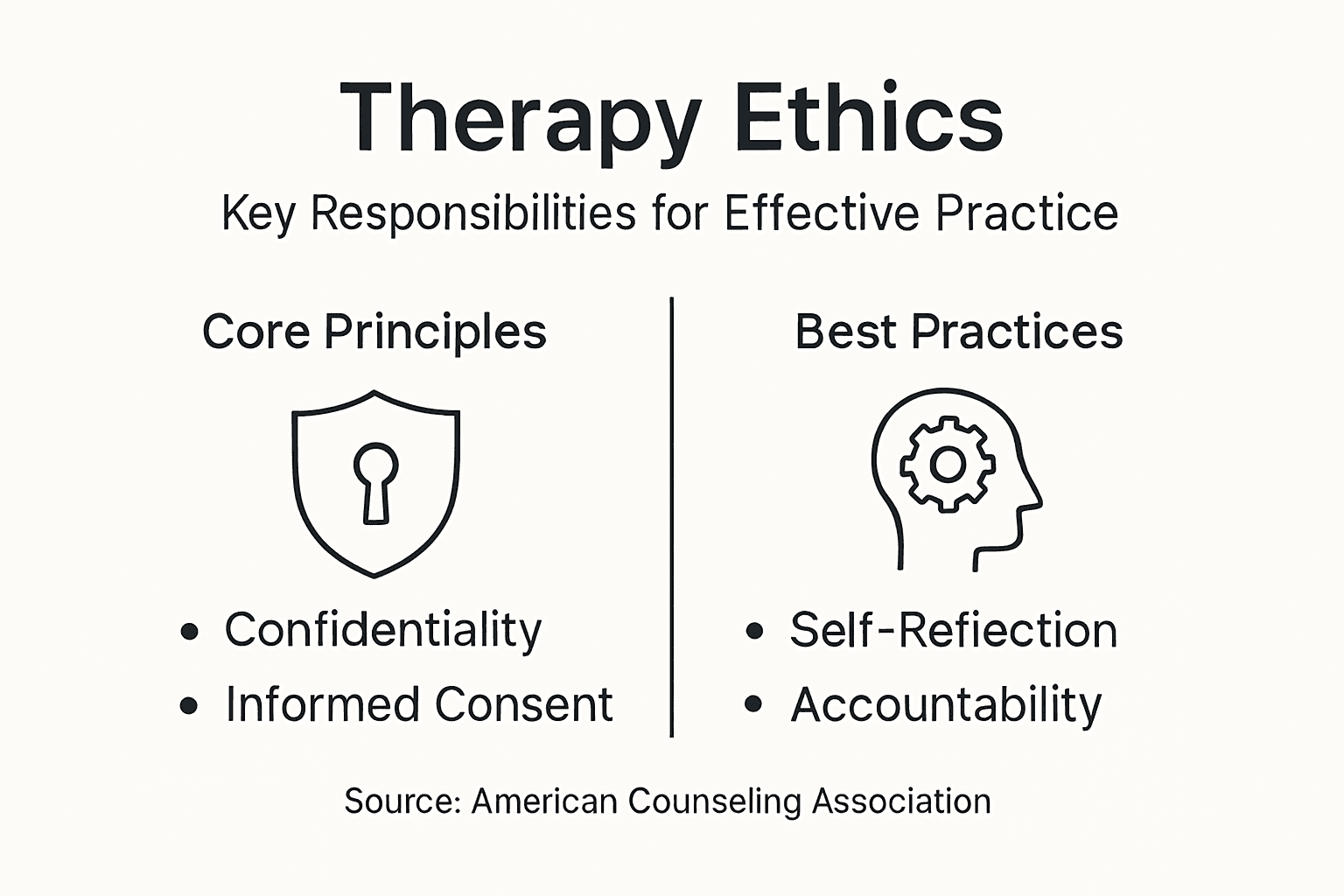
Maintaining ethical standards requires ongoing self-reflection, personal accountability, and a deep understanding of potential power dynamics inherent in therapeutic relationships. Therapists must continuously examine their own biases, emotional responses, and potential blind spots that could compromise objective, compassionate care. This involves creating transparent communication channels, establishing clear professional boundaries, and prioritizing client autonomy and self-determination. Ethical practice means recognizing that healing is a collaborative process where the client’s psychological safety and personal growth take precedence over professional ego or predetermined treatment expectations.
Pro tip:Always verify a therapist’s professional credentials and ethical standing before beginning treatment, understanding that transparency and professional integrity are fundamental to effective psychological support.
Common Myths and Pitfalls to Avoid
Therapy is surrounded by numerous misconceptions that can prevent individuals from seeking essential mental health support. Practical tips for choosing the right type of therapy help dispel these harmful myths and provide clarity about the therapeutic process. Understanding these misconceptions is crucial for approaching mental health treatment with realistic expectations and openness to personal growth.
One prevalent myth is that therapy is only for individuals with severe mental health disorders. In reality, therapy serves a broad spectrum of psychological needs, from managing daily stress and relationship challenges to addressing complex emotional patterns. Another dangerous misconception suggests that therapy is a quick fix or a passive experience where clients simply vent their problems. Effective therapy requires active participation, personal commitment, and willingness to engage in challenging self-reflection and behavioral change. Clients are not passive recipients but collaborative partners in their healing journey.
Pitfalls in therapy often emerge from unrealistic expectations, resistance to change, and misunderstanding the therapeutic process. Some individuals mistakenly believe therapists will provide immediate solutions or make decisions for them, overlooking that therapy is about empowering personal agency and developing self-understanding. Other common mistakes include inconsistent engagement, withholding critical information, or expecting therapists to function as close friends. Successful therapy demands transparency, consistent effort, and recognition that healing is a gradual, nonlinear process that requires patience and self-compassion.
To help clarify common misconceptions, here is a summary of therapy myths versus reality:
| Common Myth | Reality | Practical Implication |
|---|---|---|
| Only for severe issues | Supports all emotional needs | Useful for stress, growth |
| Therapy is a quick fix | Healing is gradual | Requires patience and effort |
| Therapist makes decisions | Client-led change | Empowers personal agency |
Pro tip:Approach therapy as a collaborative, active process of personal growth, recognizing that meaningful change requires your genuine engagement and commitment.
Discover How Skilled Therapists Foster Lasting Change in Your Healing Journey
Understanding the role of a therapist in healing is essential when you are ready to make meaningful and lasting personal growth. If emotional wounds, trauma, or difficult life challenges hold you back, connecting with experienced professionals who tailor therapy to your unique needs can transform your path forward. At Therapy Archives – Dr. Stephen Oreski & Associates, you will find insights into various therapeutic approaches designed to support your journey toward resilience and self-discovery.

Take the next step today by exploring personalized treatment options at https://bergencountytherapist.com where compassionate care meets expert guidance. Book your free consultation and begin working with therapists committed to fostering real healing and empowering you to reclaim control of your mental health. Your lasting change starts with one important decision.
Frequently Asked Questions
What is the healing role of a therapist?
The healing role of a therapist involves compassionate engagement with clients to support their psychological transformation, enabling them to explore painful experiences and develop resilience.
How do different therapy modalities affect healing?
Different therapy modalities, such as Cognitive Behavioral Therapy and Psychodynamic Therapy, offer unique strategies and benefits tailored to individual needs, ensuring a personalized approach to healing.
What should I expect during trauma therapy?
During trauma therapy, you can expect to engage in structured interventions designed to process traumatic memories, develop coping strategies, and create a supportive environment for healing.
How can I find the right therapist for my healing journey?
To find the right therapist, schedule initial consultations with multiple practitioners, inquire about their therapeutic approaches, and prioritize those whose philosophies resonate with your individual needs.