

Specialized Anxiety Therapy in Bergen County, NJ: Evidence-Based Paths to Relief
By Stephen Oreski, Dr Stephen Oreski & Associates
Facing the challenges of anxiety can be daunting for individuals in Bergen County, NJ, where effective support and therapeutic strategies are paramount. This article delves into specialized anxiety therapy, emphasizing evidence-based methods that foster relief and improved mental well-being. Because anxiety looks different at every stage of life, readers will discover the intricate nature of anxiety, its varying manifestations across different demographics, and the therapeutic options available for treatment — reflecting the principle that effective anxiety care must consider the unique needs of each patient population, whether adult, child, teen, or couple. As anxiety disorders continue to impact many lives, this guide aims to bridge the gap between understanding these challenges and pursuing effective avenues for relief.
This discussion centers on various aspects of anxiety therapy, from techniques such as Cognitive Behavioral Therapy (CBT) and mindfulness practices to tailored counseling for different age groups. Highlighting the importance of these methods is critical for promoting mental health resilience and emotional stability. With such extensive insights, this article seeks to encourage those affected by anxiety to consider pursuing professional help through trusted specialists in Bergen County, particularly Dr. Stephen Oreski & Associates.
Evidence-Based Techniques

Evidence-based techniques in anxiety therapy employ scientifically validated methods to effectively address symptoms and enhance emotional health. These approaches are crafted through a deep understanding of psychological principles, supported by empirical research. Cognitive Behavioral Therapy (CBT), for instance, is a cornerstone technique that aids individuals in identifying and reframing negative thought patterns. Mindfulness practices further complement CBT by encouraging present-moment awareness, helping clients manage their anxiety symptoms actively.
These therapeutic techniques deliver tangible benefits:
Employing a combination of these techniques allows therapists to tailor treatments to individual needs, maximizing therapeutic outcomes for clients experiencing anxiety.
Research consistently highlights the efficacy of mindfulness-based interventions, demonstrating their effectiveness in reducing anxiety and depression symptoms, often comparable to established treatments like Cognitive Behavioral Therapy.
Mindfulness-Based Interventions: Efficacy for Anxiety and Comparison to CBT MBIs have demonstrated efficacy in reducing anxiety and depression symptom severity in a broad range of treatment-seeking individuals. MBIs consistently outperform non-evidence-based treatments and active control conditions, such as health education, relaxation training, and supportive psychotherapy. MBIs also perform comparably to cognitive-behavioral therapy (CBT). The treatment principles of MBIs for anxiety and depression are compatible with those of standard CBT. Mindfulness-based interventions for anxiety and depression, SG Hofmann, 2017
Available Treatment Options
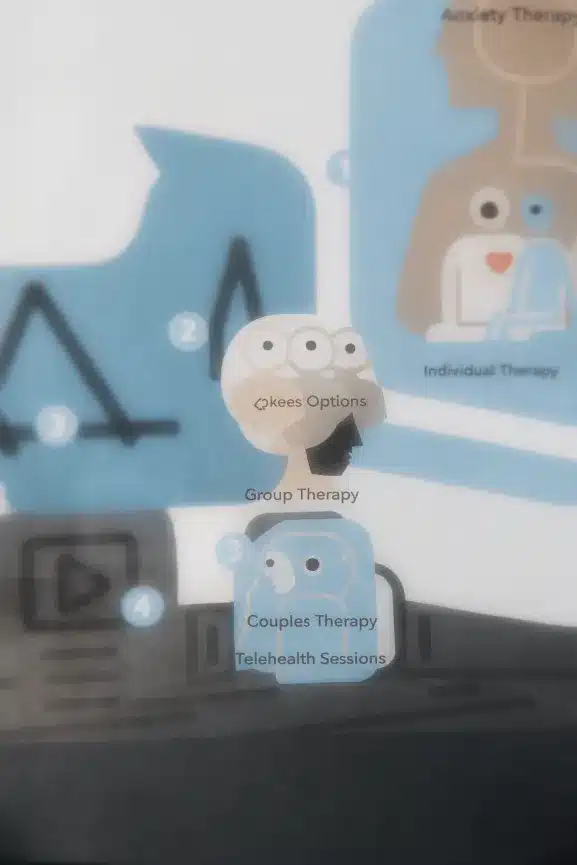
Individuals seeking anxiety therapy have multiple options available in Bergen County, ranging from individual to group sessions. Dr. Stephen Oreski & Associates provide tailored therapeutic approaches based on the specific needs of clients. These options include:
- Individual Therapy: Configured for personal exploration of anxiety, allowing for dedicated attention to individual experiences and challenges.
- Group Therapy: Facilitates shared experiences among participants, fostering community and collective support through guided discussions.
- Couples Therapy: Addresses anxiety within relationship dynamics, enhancing communication and understanding between partners.
Telehealth services are also offered, increasing accessibility for clients who may have scheduling constraints or prefer the comfort of home while seeking therapy. The therapy booking process is straightforward: potential clients can contact the office via phone at (551) 579-4441 or email info@bergencountytherapist.com to initiate their journey toward relief.
How do anxiety symptoms manifest differently in adults, children, and teens?
Understanding the manifestations of anxiety across different age groups is vital for effective treatment. Adults may experience symptoms such as excessive worry, agitation, or difficulty concentrating, while children may exhibit separation anxiety, avoidance behaviors, or physical complaints such as stomachaches. Teenagers, on the other hand, might display irritability, social withdrawal, or increased sensitivity to criticism.
Recognizing these distinctions is crucial for implementing appropriate therapeutic interventions that cater to each demographic’s unique needs.
Which common anxiety disorders are treated by Dr. Stephen Oreski and associates?
Dr. Stephen Oreski & Associates address various anxiety disorders, including:
- Generalized Anxiety Disorder (GAD): Characterized by chronic worry about various aspects of life.
- Panic Disorder: Involves recurrent panic attacks and intense fear.
- Social Anxiety Disorder: Fear of social situations leads to significant avoidance.
- Obsessive-Compulsive Disorder (OCD): Involves unwanted repetitive thoughts and rituals.
These disorders often require individualized treatment plans tailored to the specific challenges faced by each client.
Potential Benefits
Engaging in anxiety therapy offers several advantages that contribute to an overall enhanced quality of life. Clients can anticipate long-term improvements, including the development of coping strategies that facilitate emotional resilience. Individuals also learn to build healthy habits that support mental well-being, which can significantly alleviate anxiety symptoms over time.
Therapeutic engagement leads to improved mental clarity, better stress management, and a renewed sense of control over emotions. Clients often report meaningful changes in their relationships, work-life balance, and self-esteem, demonstrating the transformative power of quality anxiety therapy.
What approaches are used for child and teen anxiety counseling in Bergen County?
Counseling approaches for children and teens emphasize developmentally appropriate interventions. Techniques such as play therapy allow younger clients to express their feelings through creative outlets. For teens, cognitive-behavioral strategies are tailored to resonate with their experiences. Family involvement is also crucial to support youth clients in navigating their anxiety challenges.
How does couples anxiety therapy support relational well-being?
Couples therapy focuses on understanding how anxiety impacts romantic relationships. By implementing communication strategies that promote understanding, couples learn to address shared fears and concerns together. The aim is to strengthen emotional bonds and create a supportive environment where both partners can express their needs and experiences surrounding anxiety.
What should clients know about insurance coverage and pricing for anxiety therapy in NJ?
Clients considering anxiety therapy should familiarize themselves with the insurance coverage options available. Common plans accepted often include major providers with out-of-network benefits. Understanding the nuances of therapy costs, including possible sliding scale fees, helps clients make informed decisions regarding their mental health care.
How does the booking process work for anxiety therapy sessions with Dr. Oreski?
The booking process for therapy sessions with Dr. Oreski is designed to be client-friendly. Interested individuals can begin by contacting the office via phone at (551) 579-4441 or sending an email to info@bergencountytherapist.com. The office staff will provide necessary information regarding consultations, availability, and what to expect during initial assessments, ensuring that potential clients feel supported from the very start.
How does Bergen County’s anxiety therapy practice ensure client-centered outcomes and ongoing support?
Tailoring outcomes for clients in Bergen County involves implementing feedback from therapy sessions. This feedback informs adjustments to treatment plans, ensuring ongoing support aligns with the evolving needs of clients. A focus on establishing a continuous relationship between therapists and clients fosters a therapeutic atmosphere conducive to growth.
What evidence supports positive outcomes in Dr. Oreski’s anxiety treatments?
Empirical research and client testimonials play a significant role in affirming the effectiveness of the treatments offered by Dr. Oreski. Evidence consistently shows that clients experience meaningful reductions in anxiety symptoms, often reflecting positively on their quality of life post-therapy. Statistics indicating success rates can further reinforce the validity of therapeutic practices embraced within the clinic.
How do client testimonials reflect the impact of anxiety counseling?
Client testimonials reflect the transformative potential of anxiety counseling. Many individuals share their experiences, highlighting improvements in mental clarity, interpersonal relationships, and overall emotional stability after undergoing therapy. This feedback not only validates the effectiveness of therapeutic interventions but also fosters a sense of hope for those contemplating seeking help.
How is Bergen County adapting anxiety therapy services to current mental health trends and telehealth options?
Bergen County has adapted its anxiety therapy services to reflect current trends in mental health care, including integrating telehealth options. This shift enhances accessibility and allows clients to receive support in a convenient format. The use of technology in therapy reflects the evolving landscape of mental health services, ensuring individuals can receive help without barriers.
What new developments in anxiety therapy are integrated at the practice?
Recent developments in anxiety therapy include the incorporation of mindfulness and acceptance strategies that complement traditional therapeutic methods. These approaches allow clients to engage more fully with their thoughts and feelings, providing them with tools to manage anxiety more effectively.
How does telehealth expand access to anxiety treatment in Bergen County?
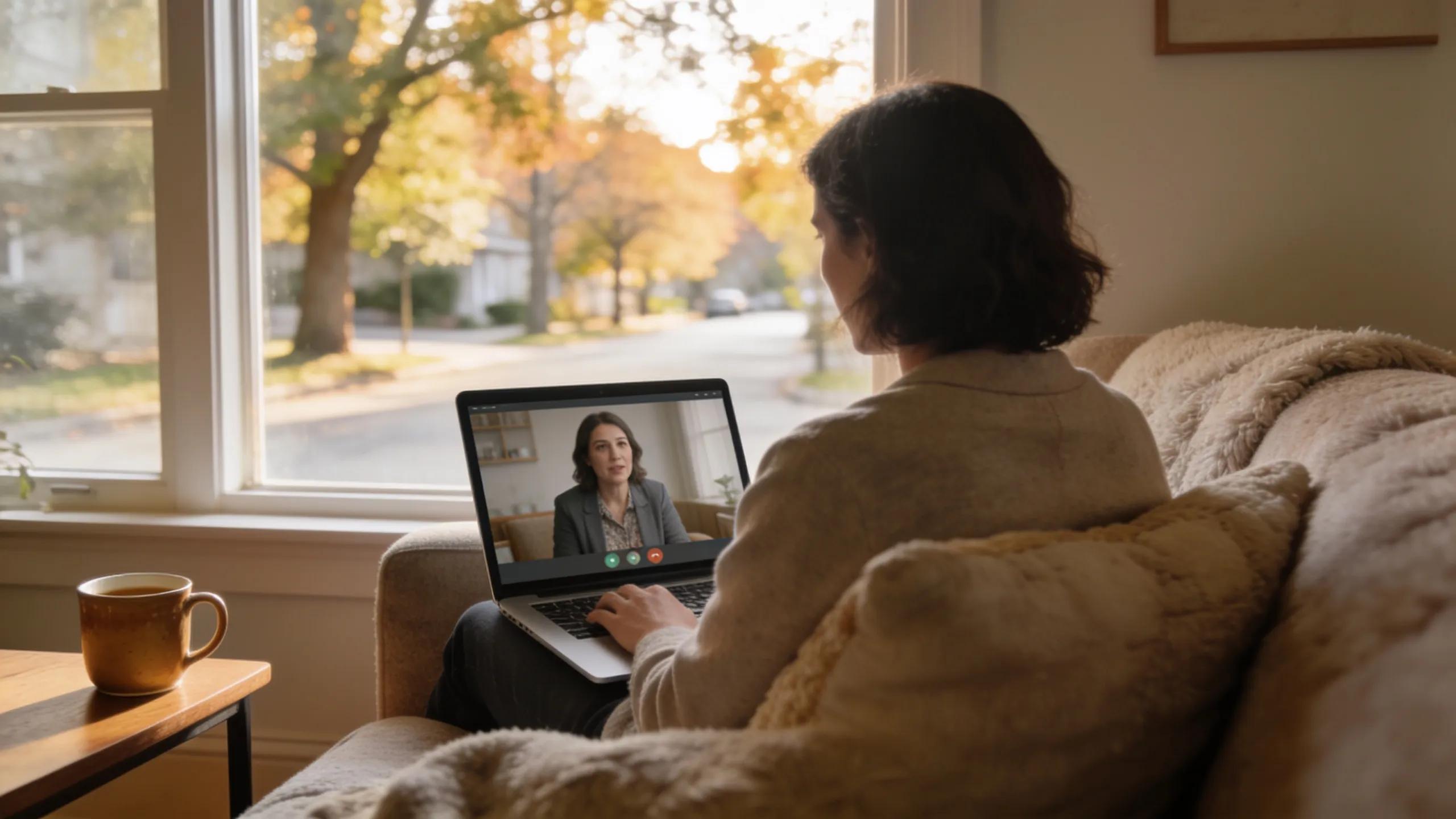
Telehealth services significantly expand access to anxiety treatment for residents in Bergen County. This modality removes geographical barriers and offers flexibility in scheduling appointments, making it easier for clients to engage in therapeutic processes. As a result, more individuals can access the critical support they need to address their anxiety challenges effectively.