
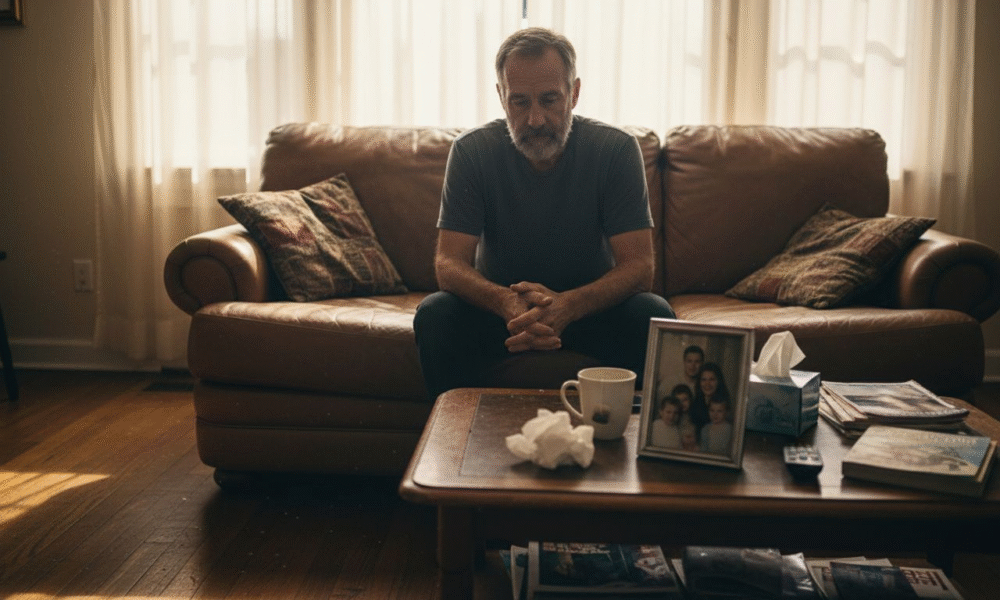
Losing someone you love can leave you feeling overwhelmed, isolated, and unsure where to turn. In Bergen County, many people face not only deep sadness but also confusing physical symptoms and shifting routines after a loss. Understanding what bereavement truly means—and recognizing that every journey through grief is unique—makes a difference in how you heal. This guide breaks down common misconceptions, types of grief, and ways to find real support, so you can approach your own process with compassion and knowledge.
Table of Contents
- Bereavement Defined And Common Misconceptions
- Types Of Bereavement And Grief Reactions
- Stages And Models Of The Grieving Process
- Factors Influencing Bereavement Response
- Practical Support And Therapy For Coping
Key Takeaways
| Point | Details |
|---|---|
| Understanding Bereavement | Bereavement is a personal experience that encompasses emotional, physical, and cognitive responses to loss. Recognizing these reactions is vital for processing grief. |
| Misconceptions About Grief | Common myths, such as the belief that grief follows predictable stages, can hinder healing and create feelings of isolation. Understanding the variability of grief can foster acceptance. |
| Importance of Support | Building a strong support network and seeking professional help when needed are crucial for navigating the complexities of grief. Effective coping strategies include community engagement and self-care practices. |
| Recognizing Complicated Grief | If grief persists and interferes with daily functioning after several months, it may indicate complicated grief, necessitating specialized therapeutic support. |
Bereavement Defined and Common Misconceptions
Bereavement is the experience of losing someone you love through death. It’s a universal human experience, yet deeply personal and unique for each individual who goes through it.
When someone dies, grief—the emotional, cognitive, and behavioral response to that loss—emerges naturally. Mourning, by contrast, is the process of coming to terms with what happened and adjusting to life without that person.
Understanding these distinct concepts matters because they shape how people interpret their own experiences and whether they seek professional help.
What Bereavement Actually Is
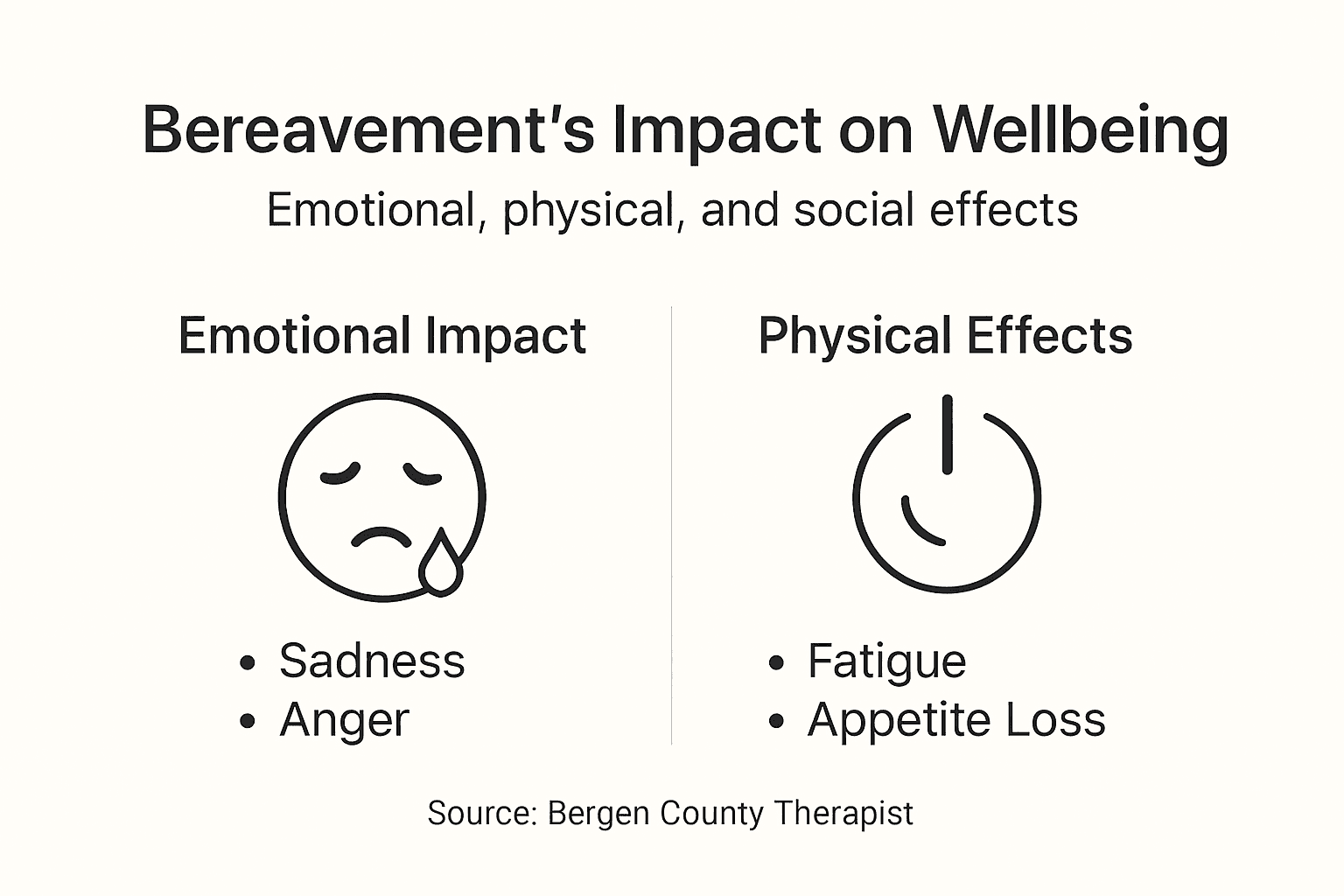
Bereavement touches every part of your life, not just your emotions. The experience includes:
- Emotional responses: sadness, anger, confusion, regret, and sometimes even relief
- Physical symptoms: headaches, nausea, appetite changes, sleep disruption, and fatigue
- Behavioral changes: withdrawing from others, difficulty concentrating, or changes in daily routines
- Cognitive effects: racing thoughts, memory problems, or difficulty making decisions
These reactions aren’t signs something is wrong with you. They’re normal parts of how humans process profound loss.
Bereavement affects your entire wellbeing—mind, body, and behavior—and this is a healthy, natural response to loss.
Common Misconceptions About Grief and Bereavement
Many people hold beliefs about grief that don’t match reality. These misconceptions can create shame, confusion, or delay in seeking help.
Myth 1: Grief follows predictable stages.
You may have heard about “five stages of grief.” In reality, grief is not linear or orderly. People move between emotions in unpredictable ways, sometimes experiencing anger one moment and numbness the next. Some stages may not appear at all.
Myth 2: There’s a “right way” to grieve.
Everyone grieves differently based on their relationship with the person, their personality, culture, and support system. No timeline is correct, no emotional response is wrong, and no expression is required.
Myth 3: Grief looks the same across all cultures.
While many grieving processes share similarities, cultural variations significantly affect how people mourn. Some cultures emphasize collective mourning; others prioritize individual processing. Understanding these differences prevents judgment and validates diverse approaches to loss.
Myth 4: If you’re struggling after several months, something’s wrong.
Grief generally becomes more manageable over time with self-kindness and patience, but “manageable” doesn’t mean “resolved.” Some people experience complicated grief—where intense grief doesn’t ease—which may require professional support. Resources like guidance on complicated grief help distinguish typical bereavement from situations needing specialized care.
Myth 5: You should “move on” quickly.
Bereavement is integration, not replacement. You’re learning to carry your loss while rebuilding your life. That process takes time—often longer than people expect or others allow.
Why Misconceptions Matter
False beliefs about grief can prevent people from accepting their experience, reaching out for help, or allowing themselves to heal. They create pressure to “grieve correctly,” which adds isolation to an already painful experience.
Pro tip: If you’re grieving in Bergen County and feel pressure to match someone else’s timeline or style, remember that your grief is legitimate exactly as it is. Professional counselors understand grief’s variability and can help validate your unique process.
Types of Bereavement and Grief Reactions
Grief doesn’t show up the same way for everyone. Understanding different types of bereavement helps you recognize what you’re experiencing and know whether your reaction is typical or needs professional attention.
Research identifies several distinct types of grief reactions that occur across different life circumstances. Each type presents unique challenges and requires different approaches to healing.
Normal Grief
Normal grief is the most common response to loss. It includes sadness, anger, confusion, and yearning that gradually ease over time with support and self-care.
You might experience:
- Intense emotions that fluctuate unpredictably
- Physical symptoms like fatigue, appetite changes, or sleep problems
- Difficulty concentrating or making decisions
- Withdrawal from social activities, gradually shifting back toward connection
Normal grief doesn’t follow a fixed timeline. Some people feel better in weeks; others need months or years. This variation is completely natural.
Normal grief is painful but manageable—emotions ease with time, support, and patience with yourself.
Anticipatory Grief
Anticipatory grief occurs before a death, typically when someone has a terminal diagnosis or serious illness. You grieve while the person is still alive.
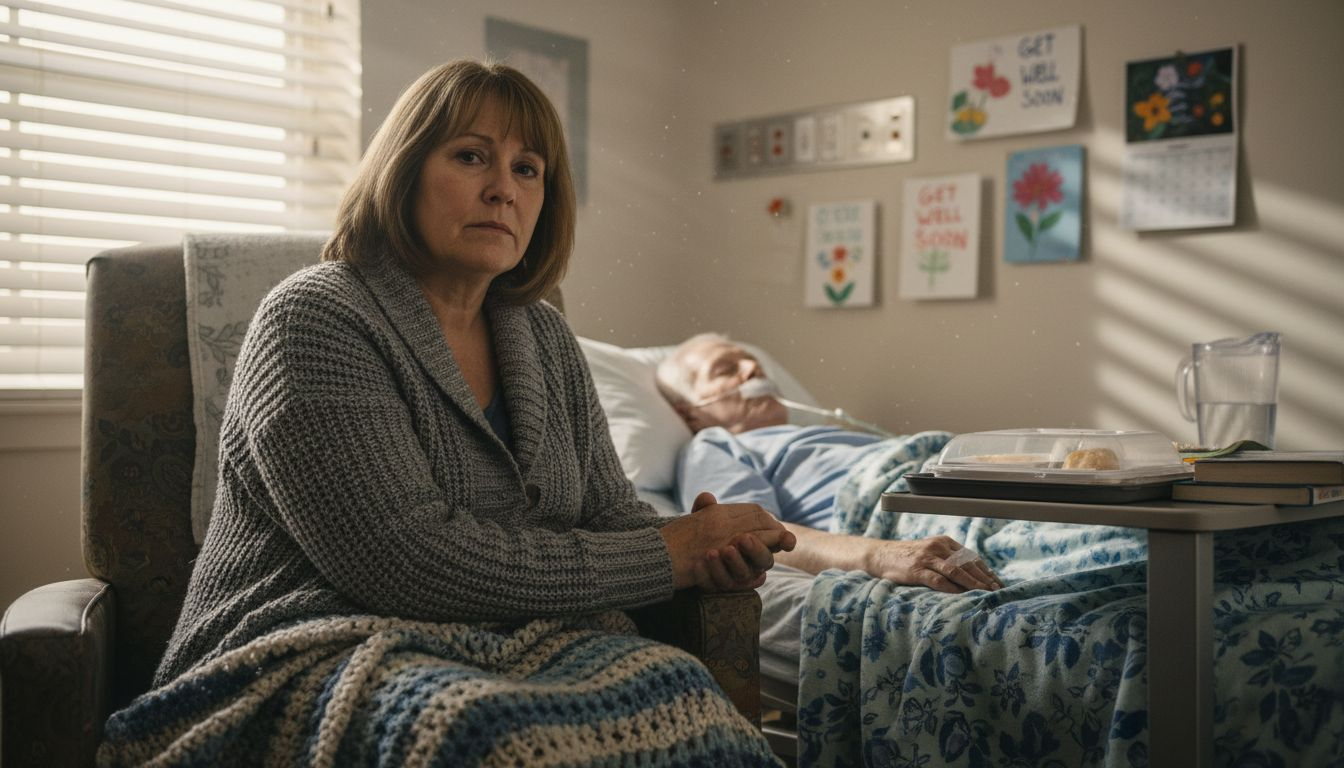
This type of grief is complex because you’re mourning a loss that hasn’t happened yet while still interacting with the person daily. It can feel confusing—sadness mixed with relief, guilt, or anger.
Anticipatory grief actually provides an opportunity. You can have conversations, resolve conflicts, create memories, and prepare emotionally for what’s coming.
Complicated Grief (Prolonged Grief Disorder)
Complicated grief, also called prolonged grief disorder (PGD), occurs when intense grief doesn’t ease and begins to impair your functioning. This is different from normal grief lasting a long time.
Warning signs include:
- Overwhelming yearning that prevents daily activities
- Inability to accept the death months or years later
- Emotional numbness combined with intense despair
- Loss of interest in all activities, even those you previously enjoyed
- Difficulty with basic self-care or work responsibilities
Complicated grief requires professional support. Therapy approaches specifically designed for grief can help you process loss and rebuild functioning.
Disenfranchised Grief
Disenfranchised grief happens when society doesn’t acknowledge or validate your loss. Examples include:
- Death of an ex-partner or estranged family member
- Loss of a pet (often minimized by others)
- Miscarriage or stillbirth
- Death of an affair partner or stigmatized relationship
- Loss experienced by LGBTQIA+ individuals whose relationship isn’t recognized
The pain is real, but societal silence can intensify isolation and shame. Finding communities or professionals who validate your loss becomes especially important.
Multiple Grief (Cumulative Loss)
Sometimes people experience multiple losses close together—a parent, then a sibling, then a friend. Each loss restarts the grief process while previous losses are still healing.
This accumulation can feel overwhelming and exhausting. Support during multiple bereavements is particularly crucial.
The type of bereavement impacts support needs and emotional experience:
| Bereavement Type | Emotional Impact | Best Support Approach |
|---|---|---|
| Normal Grief | Sadness, shifting emotions | Gentle support and patience |
| Anticipatory Grief | Grieving before loss | Open communication and preparation |
| Complicated Grief | Persistent, disabling sorrow | Professional therapy required |
| Disenfranchised Grief | Isolation, lack of validation | Community recognition, support groups |
| Multiple Grief | Overwhelm, exhaustion | Increased support, respite care |
Pro tip: If your grief isn’t easing after several months, or if you’re struggling with anticipatory or disenfranchised grief, reach out to a grief counselor in Bergen County. Recognizing when grief needs professional support is a sign of strength, not weakness.
Stages and Models of the Grieving Process
You’ve probably heard that grief has stages. But that’s only part of the story. Multiple models explain how people grieve, and understanding them helps you recognize your own experience without forcing yourself into a predetermined box.
No single model perfectly captures everyone’s journey. Different frameworks highlight different aspects of grief, and your experience might blend elements from several.
The Five-Stage Model (Kübler-Ross)
Elisabeth Kübler-Ross developed the most famous grief framework: denial, anger, bargaining, depression, and acceptance. This model shaped how society talks about grief for decades.
Here’s what matters: these stages don’t happen in order. You might experience anger, then acceptance, then bargaining again. Some people skip stages entirely. Others cycle through them multiple times.
The stages are:
- Denial: “This can’t be real” or minimizing the loss
- Anger: “Why me?” or rage at the person, God, or circumstances
- Bargaining: “If only…” or attempting to negotiate with reality
- Depression: Deep sadness, numbness, or hopelessness
- Acceptance: Coming to terms with what happened and rebuilding
The five-stage model describes common grief experiences, but they’re not a required checklist—grief is messier and more personal than that.
The Dual-Process Model
This model, developed later, better reflects how people actually grieve. It describes oscillation—moving back and forth between two types of coping.
Loss-oriented coping means focusing directly on the loss. You’re thinking about the person, feeling sadness, reviewing memories, and processing what happened.
Restoration-oriented coping means focusing on rebuilding your life without the person. You’re adjusting routines, learning new skills, making decisions about the future, and finding meaning in change.
Healthy grieving involves moving between these two. Some days you need to sit with your sadness. Other days you need to engage with the world and move forward. Both matter.
Here’s a comparison of different grief models and what they highlight:
| Grief Model | Key Focus | Typical Process | Unique Contribution |
|---|---|---|---|
| Five-Stage (Kübler-Ross) | Emotional stages | Denial to acceptance, not always linear | Normalizes varied emotions |
| Dual-Process | Oscillation between coping modes | Moves between loss- and restoration-oriented tasks | Reflects everyday fluctuation |
| Meaning-Making Model | Sense-making and growth | Integration and transformation of loss | Highlights personal growth possibilities |
Meaning-Making and Growth Models
Some researchers focus on how people create meaning from loss. Grief can actually lead to post-traumatic growth—finding purpose, deeper relationships, or personal strength through the loss.
This doesn’t mean the loss was good or that you’re “supposed” to grow from it. Rather, some people integrate their grief experience into a broader understanding of themselves and life.
Meaning-making might involve:
- Channeling energy into causes related to the person or loss
- Deepening relationships with others
- Reassessing what truly matters to you
- Finding unexpected resilience or compassion
Why Models Matter—And Don’t
These frameworks normalize grief. They show you’re not alone and that your experience has recognizable patterns. But they’re not prescriptions.
Your grief doesn’t need to fit any model perfectly. If you’re struggling to recognize your experience in these descriptions, or if grief is significantly impacting your functioning, professional support can help. Grief counseling provides personalized guidance that moves beyond stage models to address your unique situation.
Pro tip: Use these models as reference points, not roadmaps. If someone tells you “you should be at this stage by now,” know that’s not how grief works. Your timeline is valid.
Factors Influencing Bereavement Response
Why does one person bounce back from loss while another struggles for years? The answer lies in multiple factors that shape how you grieve. Understanding these influences helps you recognize why your grief looks different from someone else’s—and what support might help.
Your bereavement response isn’t random. It’s shaped by your circumstances, relationships, personality, and support system.
The Relationship With the Deceased
How close you were to the person matters significantly. Losing a parent affects you differently than losing a neighbor, even though both losses are real.
Consider these relationship factors:
- Closeness and dependency: Losing a primary caregiver creates different challenges than losing a distant relative
- Unresolved conflicts: Relationship tensions can complicate grief and extend healing time
- Role in your life: Parents, partners, and children occupy irreplaceable roles that impact daily functioning
- Duration of relationship: A lifetime relationship involves more woven-together memories than a recent friendship
Losses that involve unfinished business or complicated relationships often require additional support to process.
Social Support and Community
The people around you dramatically influence your grief journey. Strong social support buffers against prolonged grief and isolation.
Support looks like:
- Presence without judgment: People listening without trying to “fix” your grief
- Practical help: Meals, household tasks, childcare during the initial shock
- Understanding of your loss: People who acknowledge your specific situation
- Cultural or spiritual community: Groups that honor your way of mourning
Social isolation significantly increases risk for complicated grief. If you’re grieving without adequate support in Bergen County, reaching out to a therapist or grief group can provide the connection you need.
Cultural and Spiritual Context
Your cultural background shapes how you mourn, what rituals matter, and how long grief is expected to last.
Some cultures emphasize:
- Extended mourning periods with specific practices
- Collective grieving with family involvement
- Spiritual or religious frameworks that give loss meaning
- Specific roles for the bereaved person
When your cultural practices aren’t understood or supported by your current community, grief can feel more isolated. Finding communities that honor your traditions becomes important.
Individual Factors
Your personality, coping skills, and life experiences shape how you process loss.
Personal influences include:
- Previous losses or trauma: Past grief can resurface or complicate current bereavement
- Mental health history: Depression, anxiety, or other conditions can intensify grief
- Coping style: Whether you process emotions openly or internally
- Resilience and adaptability: Your ability to adjust to major life changes
- Self-care practices: Sleep, nutrition, exercise, and stress management
The Nature and Timing of Loss
How someone died significantly affects grief. Sudden, unexpected deaths create different challenges than anticipated losses.
Loss circumstances affecting your response:
- Sudden death: Creates shock, “what if” thinking, and difficulty accepting reality
- Prolonged illness: Allows anticipatory grief but can mean exhaustion before the actual loss
- Traumatic death: Requires processing both the loss and the trauma
- Multiple losses: Compounded grief without time between losses to heal
People grieving unexpected deaths in Bergen County may benefit from resources on coping with grief that address the unique challenges of sudden loss.
Access to Support Resources
Whether you can access grief counseling, therapy, or support groups influences your outcomes. Culturally adapted support—honoring your background while addressing grief—improves healing.
Vulnerable populations like refugees, migrants, or people experiencing social stigma may face barriers to support and heightened grief complications.
Your bereavement response reflects your unique combination of relationships, culture, personality, and circumstances—not weakness or inability to cope.
Pro tip: If you recognize factors making your grief especially challenging—isolation, previous trauma, or unsupported cultural practices—name them specifically when seeking support. A therapist in Bergen County can tailor help to address your particular circumstances, not generic grief.
Practical Support and Therapy for Coping
Grief doesn’t resolve through willpower alone. Real healing happens through combination of practical support, meaningful connections, and when needed, professional help. Bergen County residents have options for both informal and evidence-based approaches.
Effective coping uses multiple strategies—some you implement yourself, others with support from community or trained professionals.
Building Your Support Network
The first line of support is people who understand your loss. Don’t underestimate the power of presence without pressure.
Practical support that helps:
- Meals and household help: Someone cooking, cleaning, or helping with errands removes daily pressures
- Childcare or eldercare: Managing dependents while grieving is exhausting; help here is invaluable
- Presence without expectations: Someone sitting with you without trying to “fix” your grief
- Listening without judgment: People who let you talk about the person or your pain repeatedly
- Spiritual or cultural rituals: Community participation in mourning practices that matter to you
If your immediate circle can’t provide this, grief support groups connect you with others who understand. These groups normalize your experience and reduce isolation significantly.
Self-Care and Coping Strategies
While grief feels all-consuming, maintaining basic self-care prevents physical and emotional exhaustion.
Multidimensional coping includes:
- Emotional coping: Journaling, crying, expressing feelings through art or music
- Behavioral coping: Moving your body through walks or gentle exercise, maintaining sleep and eating patterns
- Cognitive coping: Talking about memories, understanding what happened, challenging unhelpful thoughts
- Relational coping: Connecting with others, sharing your story, seeking companionship
- Spiritual coping: Prayer, meditation, nature, or meaning-making practices aligned with your beliefs
- Occupational coping: Engaging in work, hobbies, or purposeful activities that provide structure
No single strategy works alone. You’ll naturally use different approaches on different days.
Professional Grief Counseling and Therapy
When grief becomes overwhelming or complicated, professional support provides specialized tools. Grief counseling differs from general therapy—it’s specifically focused on processing loss.
Grief counselors help you:
- Process the death and adjust to life without the person
- Manage intense emotions and physical symptoms
- Navigate complicated feelings like guilt, anger, or relief
- Rebuild identity and purpose after loss
- Determine if you’re experiencing complicated grief requiring additional treatment
Evidence-based approaches like cognitive behavioral therapy help reshape thinking patterns that intensify grief, while other therapies focus on narrative and meaning-making.
When to Seek Professional Help
Grief is normal; prolonged grief disorder is not. Signs you’d benefit from professional support:
- Grief isn’t becoming more manageable after 6-12 months
- You’re unable to perform basic self-care or work
- Thoughts turn to harming yourself
- You’re isolating completely from others
- Your grief feels as intense as the day of the death, months or years later
Specialized treatment for complicated grief combines therapy with structured support addressing specific grief symptoms.
Culturally Adapted Support
Your background shapes what healing looks like. Grief support that honors your cultural practices, spiritual beliefs, and mourning traditions is more effective than generic approaches.
Look for therapists in Bergen County who understand your cultural context and can incorporate your traditions into treatment.
Healing from grief isn’t about “moving on”—it’s about building a life where your loss has a place but doesn’t consume everything.
Pro tip: Start with one support strategy that feels natural to you—whether that’s a grief group, talking with a trusted friend, moving your body, or a first therapy session. You don’t need to fix everything at once. One step toward support creates momentum.
Find Compassionate Support Through Your Bereavement Journey
Dealing with bereavement impacts your whole wellbeing, touching your emotions, body, and daily life. If grief feels overwhelming, confusing, or persistent beyond what you expected, you do not have to face it alone. Understanding the unique challenges of grief like anticipatory grief, complicated grief, and disenfranchised grief can help you seek the right kind of care that honors your personal experience.

Explore the resources available at Bergen County Therapist, where Dr. Stephen Oreski and his team provide personalized, compassionate grief counseling tailored to your needs. Whether you want to learn more about therapeutic approaches or connect directly with a specialist, our Grief Archives – Dr. Stephen Oreski & Associates offers valuable insights to support you through every stage of your healing. Take your first step toward rebuilding your life with professional guidance and warm understanding. Visit https://bergencountytherapist.com now to schedule a free consultation and find hope after loss.
Frequently Asked Questions
What is bereavement?
Bereavement is the experience of losing someone you love through death. It encompasses the emotional, cognitive, and behavioral responses to that loss.
How does bereavement affect wellbeing?
Bereavement impacts all aspects of wellbeing, including emotional responses like sadness and anger, physical symptoms such as fatigue and sleep disruption, and behavioral changes like withdrawing from social activities.
What are common misconceptions about grief?
Common misconceptions include the idea that grief follows predictable stages, that there is a right way to grieve, and that grief looks the same across all cultures. These beliefs can hinder healing and make individuals feel shame about their personal grieving process.
When should someone seek professional help during grieving?
If grief does not become more manageable after 6-12 months, or if it severely impacts daily functioning and self-care, it may be time to seek professional support, especially if feelings of harm or intense isolation occur.
Recommended
- Coping With Grief After Losing a Loved One – Dr. Stephen Oreski & Associates
- What Is Complicated Grief? – Dr. Stephen Oreski & Associates
- What Is Grief Counseling? Complete Expert Guide – Dr. Stephen Oreski & Associates
- Coping With Grief Through Meditation – Dr. Stephen Oreski & Associates
- Why Mindful Teamwork Powers Company Culture – Blog