Many people believe digital therapy lacks the empathy and human connection essential for healing. Yet research reveals that over 23 digital therapeutics have FDA approval for mental health conditions, with therapist-guided platforms producing 20-30% symptom reductions comparable to traditional therapy. This article defines digital therapy, explores evidence behind its effectiveness, debunks common myths, and guides Bergen County residents on choosing the right digital mental health support.
Table of Contents
- Introduction To Digital Therapy
- Evidence-Based Outcomes Of Digital Therapy
- Comparison Of Digital Therapy And Traditional Therapy
- Common Misconceptions About Digital Therapy
- How Digital Therapy Addresses Access Barriers In Bergen County
- Practical Guidance For Choosing And Using Digital Therapy
- Challenges And Limitations Of Digital Therapy
- Summary And Next Steps
- Explore Digital Therapy Options With Dr. Stephen Oreski & Associates
- What Conditions Is Digital Therapy Best Suited For?
- Is Digital Therapy Confidential And Secure?
- How Do I Get Started With Digital Therapy In Bergen County?
- Can Digital Therapy Replace Traditional Face-To-Face Therapy?
Key takeaways
| Point | Details |
|---|---|
| Digital therapy formats | Apps, online CBT, and teletherapy effectively reduce anxiety and depression symptoms. |
| Clinical effectiveness | Therapist-guided digital therapy matches traditional outcomes and improves access. |
| Myths debunked | Research and FDA approvals disprove concerns about empathy and legitimacy. |
| Local access benefits | Digital therapy overcomes cost, stigma, and geographic barriers for Bergen County. |
| Selection criteria | Prioritize clinical validation, privacy protections, and integration with in-person care. |
Introduction to digital therapy
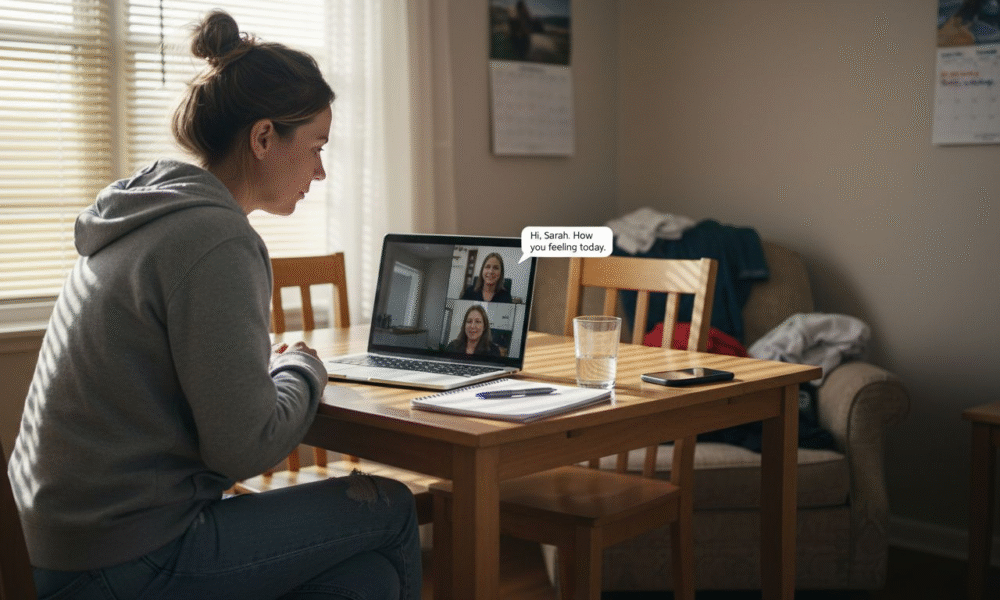
Digital therapy refers to mental health treatment delivered through technology platforms rather than traditional office visits. Digital mental health interventions (DMHIs), including mobile apps and online therapy platforms, have been shown to reduce symptoms of anxiety, depression, and stress effectively across diverse populations.
These interventions take several forms. Online cognitive behavioral therapy delivers structured treatment through video sessions or interactive modules. Mobile mental health apps provide tools for mood tracking, meditation, and skill building. Teletherapy connects you with licensed therapists via video conferencing. Digital therapeutics are FDA-approved software programs designed to treat specific conditions.
Bergen County has seen growing adoption of these tools as residents seek flexible mental health support. Unlike general wellness apps, clinical digital therapy platforms are evidence-based interventions targeting diagnosable conditions.
Common examples include:
- Therapist-guided video sessions for depression or anxiety
- Mobile apps delivering cognitive behavioral techniques
- Automated chatbots providing real-time coping strategies
- Virtual reality exposure therapy for trauma
To use digital therapy effectively, you need reliable internet access, basic technology skills, and willingness to engage with treatment remotely. Some platforms work independently while others integrate with in-person care for a blended approach.
Evidence-based outcomes of digital therapy
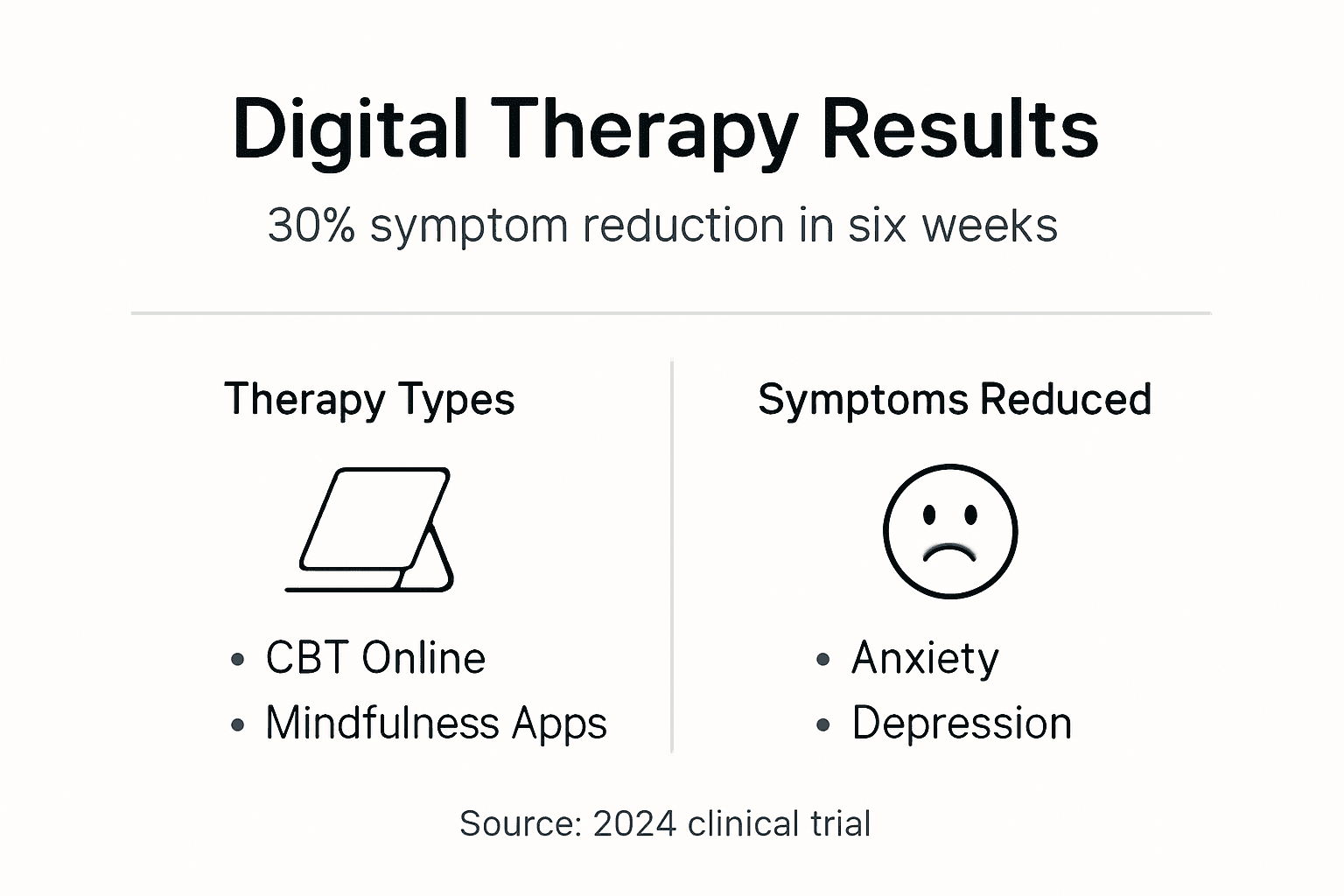
Research consistently demonstrates digital therapy’s clinical effectiveness. Seven meta-analyses and randomized trials show symptom reduction with effect sizes comparable to traditional therapy, with participants experiencing 20-30% reduction in depressive symptoms over 6 weeks. These outcomes hold across anxiety disorders, depression, post-traumatic stress, and chronic stress.
A 2024 randomized trial compared three digital intervention types: CBT-based, mindfulness-based, and personalized feedback programs. All three approaches produced improvement measured at 6 weeks with no significant difference between intervention types. This suggests multiple digital formats can work depending on your preferences and needs.
Statistic spotlight: Digital therapy participants report 30%+ symptom improvement in anxiety and depression within 6-8 weeks, matching face-to-face therapy outcomes.

FDA oversight adds credibility to digital therapeutics. Regulatory approval requires rigorous testing proving safety and efficacy for specific conditions. These approvals distinguish clinical digital therapy from unvalidated wellness apps.
Effectiveness varies by intervention type:
- Therapist-guided programs show strongest outcomes
- Self-guided apps with automated support produce moderate benefits
- Unguided apps alone demonstrate smaller effect sizes
- Digital interventions work best when combined with occasional human check-ins
For Bergen County residents managing trauma, relationship stress, or emotional challenges, these evidence-based tools offer proven symptom relief without requiring weekly office visits.
Comparison of digital therapy and traditional therapy
Understanding differences between therapy formats helps you make informed treatment choices. Therapist-guided digital cognitive behavioral therapy produces clinical outcomes comparable to traditional face-to-face therapy for depression and anxiety. The key distinction lies in delivery method rather than effectiveness.
| Feature | Therapist-Guided Digital CBT | Unguided Apps | Traditional In-Person |
|---|---|---|---|
| Symptom improvement | 20-30% reduction | 10-15% reduction | 20-30% reduction |
| Therapeutic alliance | Strong with video sessions | Minimal | Strong |
| Access barriers | Low | Very low | Moderate to high |
| Cost | Moderate | Low | High |
| Privacy concerns | Low to moderate | Moderate | Low |
Digital therapy offers distinct advantages. You access care from home, eliminating travel time and geographic limits. Sessions often cost less than traditional appointments. Anonymity reduces stigma for those hesitant to visit a therapist’s office.
Limitations exist as well:
- Requires stable internet and basic technology comfort
- Some people struggle with self-directed digital engagement
- Crisis situations need immediate in-person intervention
- Non-verbal communication cues may be harder to detect
The therapeutic relationship remains crucial regardless of format. Video sessions allow therapists to build rapport, read facial expressions, and adjust treatment in real time. Research confirms strong alliances form through digital platforms when human support is present.
Pro Tip: Combine digital and in-person therapy for customized care. Use apps for daily skill practice while attending periodic office sessions for deeper processing. This hybrid approach maximizes both convenience and therapeutic depth. Learn more about getting started with therapy to explore your options.
Common misconceptions about digital therapy
Several myths prevent people from accessing effective digital mental health care. Addressing these misconceptions helps you evaluate options objectively.
Myth 1: Digital therapy lacks empathy and therapeutic relationship. Reality shows therapist-guided digital sessions create strong therapeutic alliances. Video platforms enable eye contact, emotional expression, and real-time responsiveness that build trust and connection.
Myth 2: Digital therapy is unregulated and unsafe. Over 23 digital therapeutics have received FDA approval for mental health disorders, validating their safety and efficacy. These approvals require the same rigorous clinical testing as traditional treatments.
Myth 3: Digital interventions are less effective than in-person care. Controlled studies demonstrate equivalent outcomes for guided digital therapy compared to office-based treatment. The delivery method changes, but evidence-based techniques remain consistent.
Myth 4: Mental health apps are just wellness tools, not clinical treatments. While many apps focus on general wellbeing, FDA-approved digital therapeutics provide validated clinical interventions for diagnosable conditions. These platforms undergo scientific evaluation proving they treat specific mental health disorders.
Additional concerns include:
- Fear that technology replaces human therapists (it supplements, not replaces)
- Worry about data security (HIPAA-compliant platforms protect your information)
- Belief that digital therapy works only for mild issues (it treats moderate conditions effectively)
- Assumption that older adults cannot use digital tools (user-friendly designs accommodate all ages)
Understanding these facts allows you to confidently explore digital options when traditional therapy feels inaccessible or insufficient.
How digital therapy addresses access barriers in Bergen County
Bergen County residents face several obstacles accessing mental health care. Limited provider availability creates long wait times. High treatment costs burden those without comprehensive insurance. Stigma prevents many from seeking help at visible office locations.
Digital therapy significantly reduces access barriers imposed by geography, cost, and stigma, providing flexible and anonymous mental health support especially valuable in underserved communities. You can schedule sessions around work and family commitments rather than arranging transportation and taking time off.
Anonymity matters for sensitive issues. LGBTQ individuals exploring identity concerns, trauma survivors working through difficult memories, or couples addressing relationship challenges may prefer private digital sessions over public waiting rooms.
Practical scenarios illustrate these benefits:
- A working parent manages anxiety through evening app sessions after children sleep
- Someone processing trauma accesses specialized care unavailable locally through video therapy
- A person questioning their sexual orientation explores identity with an affirming therapist online
- An individual with social anxiety practices exposure techniques via virtual reality before real-world application
Digital therapy expands your options beyond Bergen County therapy services physically located near you. This geographic flexibility proves especially valuable for specialized treatment needs.
Combining digital tools with local in-person resources creates a comprehensive support network. You might use a meditation app daily while attending monthly face-to-face sessions. This integrated approach provides continuous care adapted to your changing needs.
Practical guidance for choosing and using digital therapy
Selecting the right digital therapy platform requires careful evaluation. Follow these steps to find effective, safe options:
- Assess your specific mental health needs and treatment goals
- Research platforms specializing in your concerns (anxiety, depression, trauma, relationships)
- Verify FDA approval or clinical validation through peer-reviewed studies
- Review privacy policies and HIPAA compliance certifications
- Check whether insurance covers the platform or therapist
- Test user interface and technology requirements before committing
- Start with a trial period to evaluate fit and engagement
Prioritize therapist-guided or supported digital therapy when possible. Human support integrated into digital mental health interventions significantly enhances treatment engagement and outcomes compared to unguided digital tools. Platforms offering messaging with licensed clinicians or scheduled video check-ins produce better results than fully automated apps.
Integrating digital with in-person therapy maximizes benefits. Your local therapist can recommend specific apps that complement your treatment plan. This coordination ensures consistent therapeutic approaches across formats.
Safety considerations include:
- Confirm the platform stores data with encryption
- Verify therapists hold valid licenses in your state
- Understand cancellation policies and refund terms
- Know how to access crisis support if digital tools prove insufficient
Pro Tip: Start with platforms offering human support for higher success rates. Apps that connect you with real therapists, even briefly, double your chances of completing treatment and achieving symptom improvement.
Explore choosing the right therapy approach to understand how digital options fit your overall mental health strategy.
Challenges and limitations of digital therapy
Digital therapy presents obstacles you should anticipate. Digital therapy platforms face challenges including technological accessibility, data privacy concerns, and occasional higher dropout rates, which necessitate careful technology support and privacy safeguards.
Technology barriers affect some populations more than others. Older adults may struggle with video conferencing software. People with limited internet access cannot participate in real-time sessions. Visual or hearing impairments require platform accommodations not always available.
Data security remains a valid concern. While reputable platforms follow HIPAA regulations, data breaches occasionally occur. Always verify how your information is stored, who can access it, and what happens if you discontinue service.
Engagement challenges reduce effectiveness:
- Self-guided apps show 40-60% dropout rates within first month
- Lack of accountability makes skipping sessions easier
- Technical glitches disrupt therapeutic momentum
- Difficulty expressing complex emotions through text-based platforms
Strategies to overcome these limitations include:
- Choose platforms with technical support available during your sessions
- Schedule digital sessions like in-person appointments rather than treating them as optional
- Use video when possible instead of text for richer communication
- Keep emergency contacts accessible for crisis situations beyond digital tools’ scope
- Update security software and use private networks for therapy sessions
Recognize when digital therapy proves insufficient. Severe depression with suicidal thoughts, acute psychosis, and active substance abuse typically require immediate in-person intervention. Digital platforms work best for maintenance care and mild to moderate symptoms.
Understanding these limitations helps set realistic expectations. Digital therapy offers powerful benefits but works optimally as part of a broader mental health strategy.
Summary and next steps
Digital therapy provides evidence-based mental health treatment through apps, online CBT, and teletherapy platforms. Research confirms 20-30% symptom improvements for anxiety and depression, matching traditional therapy outcomes. FDA approvals validate safety and effectiveness for clinical conditions.
Bergen County residents benefit from digital therapy’s accessibility, affordability, and privacy. These tools overcome geographic limits, reduce stigma, and offer flexible scheduling. Whether you’re managing trauma, relationship challenges, or emotional distress, digital options expand your care possibilities.
Personalization remains key. Therapist-guided platforms produce stronger results than unguided apps. Combining digital tools with periodic in-person sessions creates comprehensive support adapted to your unique needs.
Evaluate local digital therapy resources by verifying clinical validation, reviewing privacy protections, and prioritizing human support features. Start small with trial periods to find the right fit.
Your mental health journey deserves both innovation and expertise. Digital therapy represents a powerful addition to traditional care, not a replacement. Take the next step by exploring options that align with your goals and preferences.
Explore digital therapy options with Dr. Stephen Oreski & Associates
Dr. Stephen Oreski & Associates combines digital innovation with personalized clinical expertise for Bergen County residents. We offer secure teletherapy sessions and integrate evidence-based digital tools into customized treatment plans.

Our team creates flexible care pathways blending online therapy with in-person sessions based on your preferences and needs. HIPAA-compliant platforms protect your privacy while providing convenient access to licensed therapists specializing in trauma, relationships, anxiety, and depression. Discover how to start therapy in Bergen County and find the right therapy approach for lasting positive change.
What conditions is digital therapy best suited for?
What conditions is digital therapy best suited for?
Digital therapy works effectively for mild to moderate anxiety, depression, stress, and trauma-related symptoms. It often serves as an adjunctive treatment alongside other interventions. People managing ongoing emotional regulation challenges or relationship issues also benefit from digital formats.
Is digital therapy confidential and secure?
Reputable digital therapy platforms comply with HIPAA regulations and implement robust data security measures. Always review privacy policies before sharing personal information. Choose FDA-approved tools and verify encryption standards to ensure your confidentiality remains protected throughout treatment.
How do I get started with digital therapy in Bergen County?
Begin by assessing your specific mental health needs and treatment preferences. Research approved digital therapy platforms specializing in your concerns. Consult local therapists offering digital services to create a tailored treatment plan. Start with guided platforms that include therapist support for optimal outcomes.
Can digital therapy replace traditional face-to-face therapy?
Digital therapy fully replaces traditional therapy for some individuals, particularly when therapist guidance is included. Others achieve better results from a blended approach combining both digital tools and in-person sessions. Your specific condition severity, preferences, and access needs determine the ideal treatment format.