Struggling with anxiety, depression, or trauma can feel isolating, but you don’t have to face it alone. Support groups offer a proven pathway to emotional healing, reducing depression and anxiety symptoms by up to 40% while building meaningful connections with others who truly understand your experiences. This guide explores how these communities work, what formats exist, and how Bergen County residents can leverage them alongside professional therapy for lasting mental health improvement.
Quick Guide to Support Groups for Anxiety and Depression
- Introduction To Support Groups
- How Support Groups Work: Psychological And Social Mechanisms
- Types And Formats Of Support Groups
- Common Misconceptions About Support Groups
- Evidence Of Support Group Effectiveness
- Choosing Or Starting The Right Support Group In Bergen County
- Conclusion And Next Steps
- Explore Supportive Therapy Options In Bergen County
- Frequently Asked Questions About Support Groups
Key Takeaways
| Point | Details |
|---|---|
| Support reduces isolation | Peer connection decreases loneliness by 30-50% within six months of consistent participation. |
| Multiple mechanisms drive healing | Emotional catharsis, social learning, normalization, and empowerment work together to improve mental health. |
| Diverse formats suit different needs | Peer-led, professionally facilitated, online, and in-person groups each offer unique advantages. |
| Groups complement therapy | Support groups enhance but don’t replace professional treatment for comprehensive mental health care. |
| Structure matters for success | Clear confidentiality policies and experienced facilitation boost retention rates by 15-25%. |
Introduction to Support Groups
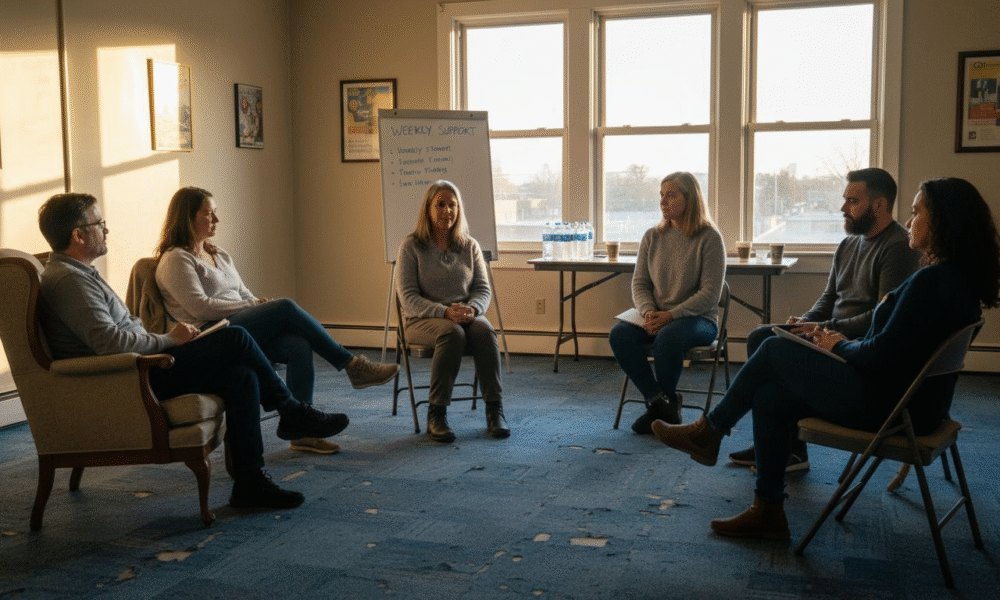
Support groups are structured gatherings where individuals facing similar mental health challenges come together to share experiences, offer encouragement, and learn coping strategies. These communities can be peer-led or professionally facilitated, creating safe spaces for emotional expression without judgment. The primary goals include reducing isolation, building social connections, and developing practical tools to manage difficult emotions.
These groups address a wide range of mental health concerns:
- Depression and persistent sadness
- Anxiety disorders and panic symptoms
- Trauma recovery and PTSD
- Grief and loss processing
- Substance use challenges
- Chronic illness adjustment
- Relationship difficulties
Participants benefit from a confidential environment where voluntary sharing creates reciprocal support networks. Unlike therapy sessions focused on individual treatment plans, support groups emphasize collective wisdom and mutual understanding. Members attend at their own pace, contributing when comfortable while absorbing insights from others’ journeys.
The voluntary nature allows you to engage as deeply as you choose. Some members prefer listening initially, gradually opening up as trust builds within the group dynamic.
How Support Groups Work: Psychological and Social Mechanisms
Support groups achieve mental health improvements through several interconnected psychological processes. Understanding these mechanisms helps you recognize why simply showing up and participating can create meaningful change in your emotional wellbeing.
Emotional catharsis occurs when you express difficult feelings in an accepting environment. Verbalizing pain, fear, or frustration releases pent-up emotional tension while receiving validation from others who’ve experienced similar struggles. This release often brings immediate relief and clarity.

Social learning happens naturally as you observe how others cope with challenges resembling your own. You discover new perspectives, strategies, and thought patterns without formal instruction. Watching someone navigate a crisis successfully provides a roadmap you can adapt to your situation.
Key mechanisms include:
- Normalization of experiences that reduces shame and stigma
- Empowerment through giving and receiving mutual aid
- Accountability from regular check-ins with supportive peers
- Hope restoration by witnessing others’ progress and recovery
The power of strengthening relationships through social connection extends beyond the group itself, often improving your broader social functioning and confidence.
“Participants in support groups report a 30-50% decrease in perceived loneliness over 6 months.”
This dramatic reduction in isolation stems from genuine belonging. When you realize others truly understand your struggles without explanation, the burden lightens considerably. You’re no longer fighting alone.
Types and Formats of Support Groups
Support groups come in various structures, each offering distinct advantages depending on your preferences, schedule, and comfort level. Understanding these differences helps you select the format most likely to meet your needs effectively.
Peer-led groups operate without professional oversight, relying on shared experiences and collective wisdom. Members take turns facilitating, creating egalitarian dynamics where everyone contributes equally. These groups often feel less formal and more accessible, though they lack clinical expertise for crises.
Professionally facilitated groups include a licensed therapist or counselor who guides discussions, ensures safety, and provides clinical insights when appropriate. This structure offers additional accountability and expert intervention if members struggle significantly.
| Group Type | Facilitation | Format | Typical Cost | Accessibility |
|---|---|---|---|---|
| Peer-Led | Member rotation | In-person/online | Free to low | High, flexible scheduling |
| Professionally Led | Licensed therapist | In-person/online | Moderate fee | Medium, set schedule |
| Online Communities | Varies | Virtual platforms | Usually free | Very high, 24/7 access |
| Specialized Focus | Professional or peer | Either format | Varies widely | Medium, niche populations |
Online groups have surged since 2020, offering convenience for those with transportation challenges, childcare constraints, or social anxiety about face-to-face interaction. Video platforms enable real-time connection from home, while forums and chat groups provide asynchronous support.
Specialized groups focus on specific populations or issues:
- LGBTQIA+ individuals navigating identity and discrimination
- Trauma survivors processing abuse or assault
- Parents managing family challenges
- Veterans dealing with combat-related PTSD
- Chronic pain patients adapting to limitations
Pro Tip: Start with online observation if you’re nervous about in-person participation. Many groups allow you to lurk initially, building comfort before active engagement.
Common Misconceptions about Support Groups
Several widespread myths prevent people from exploring support groups, often based on outdated information or media stereotypes. Clearing up these misunderstandings helps you make informed decisions about whether groups fit your recovery journey.
Support groups are not therapy replacements. While incredibly valuable, they lack the individualized assessment, diagnosis, and treatment planning that professional therapy provides. Groups complement therapy by extending support between sessions and building a community that clinical relationships can’t replicate.
Many assume support groups only serve people with severe mental illness or crises. In reality, groups welcome anyone experiencing emotional challenges, from everyday stress and relationship conflicts to major depressive episodes. You don’t need a diagnosis to benefit from peer connection.
Key clarifications:
- Peer-led groups without professionals can be highly effective for many issues
- Confidentiality rules protect your privacy as strictly as therapy sessions
- You’re never forced to share; listening and learning count as participation
- Groups aren’t just complaint sessions; they focus on solutions and growth
The myth that talking about problems makes them worse has been thoroughly debunked. Research consistently shows that emotional expression in supportive contexts reduces symptoms rather than amplifying them.
Pro Tip: Combine support group participation with individual therapy for comprehensive care. Groups provide community and perspective, while therapy addresses your unique psychological patterns and treatment needs.
Evidence of Support Group Effectiveness
Rigorous research demonstrates that support groups produce measurable mental health improvements across diverse populations and conditions. These evidence-based outcomes justify their widespread recommendation by mental health professionals.
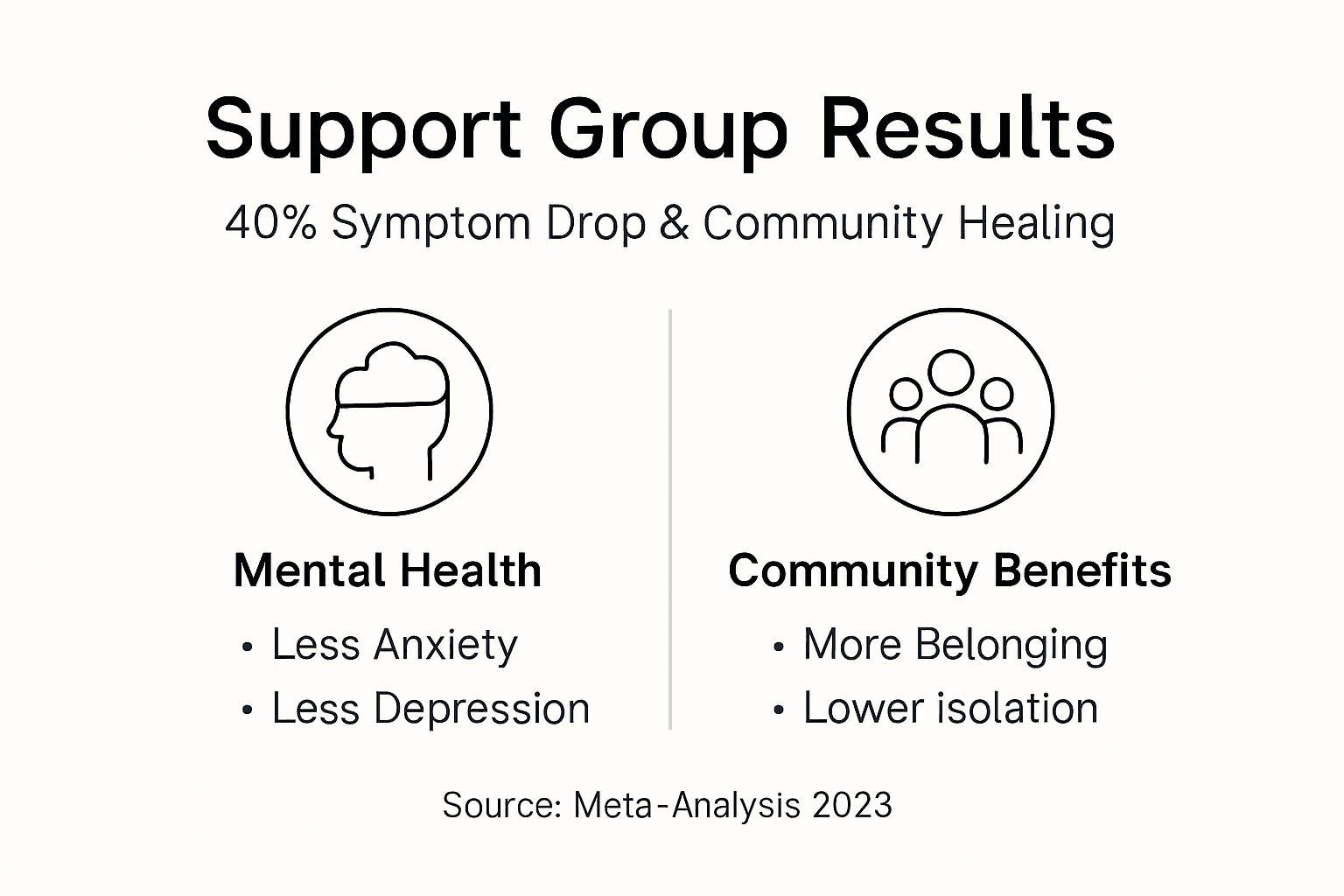
Meta-analyses reveal 40% reductions in depression and anxiety symptoms among regular participants compared to those receiving no intervention. Additionally, empowerment measures increase by up to 35%, reflecting enhanced confidence and self-efficacy in managing mental health challenges.
The quality of facilitation significantly impacts how long members stay engaged:
| Facilitation Quality | Average Retention Rate | Member Satisfaction | Symptom Improvement |
|---|---|---|---|
| Experienced, structured | 75-80% at 6 months | Very high | 35-40% reduction |
| Moderate experience | 60-65% at 6 months | Moderate to high | 25-30% reduction |
| Minimal structure | 45-50% at 6 months | Variable | 15-20% reduction |
Groups with clear confidentiality policies and trained facilitators retain members at significantly higher rates, creating stable communities where trust deepens over time.
“Structure, confidentiality, and facilitator experience are critical factors determining whether support groups successfully retain members and produce lasting mental health improvements.”
Consistent participation matters tremendously. Attending sporadically yields minimal benefits, while weekly or biweekly engagement over several months produces the dramatic symptom reductions observed in studies. Your commitment level directly correlates with outcomes.
The combination of emotional support, practical coping strategies, and normalized experiences creates a powerful intervention accessible to virtually anyone seeking mental health improvement.
Choosing or Starting the Right Support Group in Bergen County
Finding a support group that matches your needs requires thoughtful consideration of several factors. Bergen County offers diverse options, from established organizations to grassroots peer communities addressing specific concerns.
Follow these steps to identify suitable groups:
- Clarify your primary mental health concern or challenge
- Research available groups through local mental health centers, hospitals, and community organizations
- Evaluate group structure, meeting frequency, and format preferences
- Attend one or two trial sessions before committing long-term
- Assess whether the group culture and members resonate with you
When evaluating potential groups, prioritize these criteria:
- Clear confidentiality agreements protecting member privacy
- Consistent meeting schedules you can reliably attend
- Facilitation style matching your comfort level
- Group size allowing meaningful participation
- Demographic or experience alignment with your situation
Groups addressing specialized needs like LGBTQ identity, sexual assault recovery, or PTSD treatment provide focused support from others sharing similar experiences. Bergen County’s diverse population means specialized therapy and support options exist for virtually every demographic and challenge.
Benefits of regular attendance:
- Deeper trust and vulnerability within the group
- Stronger accountability for implementing coping strategies
- Witnessing others’ progress provides motivation and hope
- Building friendships that extend beyond meeting times
Overcoming common participation barriers requires addressing practical and emotional obstacles. Transportation challenges may necessitate online groups, while privacy concerns might lead you toward groups outside your immediate neighborhood. Stigma about seeking help diminishes rapidly once you experience the non-judgmental acceptance within supportive communities.
Starting your own group becomes viable if existing options don’t meet your needs. Partner with a local mental health organization or therapist who can provide guidance, space, and initial facilitation until the group stabilizes.
Conclusion and Next Steps
Support groups harness the healing power of human connection, reducing isolation while teaching practical coping strategies through shared experience. The psychological mechanisms of emotional catharsis, social learning, and empowerment create measurable symptom improvements rivaling some clinical interventions.
Whether peer-led or professionally facilitated, online or in-person, these communities complement individual therapy by providing ongoing encouragement between clinical sessions. The 40% symptom reduction documented in research reflects what happens when you consistently engage with others who understand your struggles firsthand.
Bergen County residents have access to diverse support options addressing everything from general anxiety to specialized trauma recovery. Take the first step by researching local groups, attending a trial session, or discussing support group participation with your therapist. The community waiting to welcome you can transform your mental health journey from an isolated struggle to shared healing.
Your emotional well-being deserves multiple support pillars. Combine professional treatment with peer connection for comprehensive care that addresses both clinical needs and human belonging.
Explore Supportive Therapy Options in Bergen County
While support groups provide invaluable peer connection, professional therapy offers personalized treatment for your unique mental health needs. Dr. Stephen Oreski and his team deliver comprehensive psychotherapy approaches tailored to individual, couple, family, and specialized populations throughout Bergen County.
Our practice combines evidence-based treatment with compassionate care, helping you develop lasting coping skills while addressing underlying psychological patterns. Whether you’re managing depression, anxiety, trauma, or relationship challenges, beginning therapy alongside support group participation creates powerful synergy for emotional growth. Subscribe to our mental health newsletter for ongoing tips, resources, and insights supporting your wellness journey.
Frequently Asked Questions About Support Groups
What types of issues do support groups address?
Support groups cover virtually every mental health challenge, including depression, anxiety, trauma, grief, substance use, chronic illness, relationship problems, and life transitions. Specialized groups focus on specific populations like LGBTQIA+ individuals, veterans, parents, or survivors of particular traumas.
How often should I attend to see benefits?
Weekly or biweekly attendance for at least three to six months produces the most significant symptom improvements. Consistent participation builds trust, deepens connections, and allows time for implementing coping strategies learned from peers.
Can support groups replace professional therapy?
No, support groups complement but don’t replace therapy. Groups provide peer connection and shared coping strategies, while therapy offers individualized diagnosis, treatment planning, and clinical expertise for complex mental health conditions.
Are online groups as effective as in-person?
Research shows online groups produce comparable symptom improvements when members engage consistently. Online formats increase accessibility for those with transportation, scheduling, or social anxiety barriers, though some people prefer face-to-face interaction.
How do I protect my privacy in a support group?
All reputable groups establish confidentiality agreements prohibiting members from sharing others’ identities or stories outside meetings. You control what you disclose, can use first names only, and choose groups outside your immediate social circle if desired.