

Nearly one in five American teenagers experience significant mental health challenges each year. The surge in digital connections has made online therapy a lifeline for young people facing emotional struggles while juggling academics, friendships, and family life. With professional support now just a click away, teens benefit from confidential, flexible counseling that feels comfortable and familiar. Discover how modern technology is reshaping mental health care for the next generation and why so many American families are turning to these innovative solutions.
Table of Contents
- Defining Online Therapy for Teens
- How Virtual Counseling Sessions Work
- Benefits of Teletherapy for Teenagers
- Addressing Privacy and Safety Concerns
- Comparing Online and In-Person Therapy
Explore Key Topics in Online Therapy for Teens
| Point | Details |
|---|---|
| Accessibility of Online Therapy | Online therapy provides teenagers with convenient access to mental health professionals from their own homes, eliminating traditional barriers like transportation and social stigma. |
| Privacy and Confidentiality | Online therapy platforms prioritize the emotional well-being of teens through secure, encrypted communication, ensuring their privacy and confidentiality. |
| Flexibility and Comfort | Teletherapy allows flexible scheduling and utilizes familiar digital platforms, reducing anxiety and increasing willingness to engage in counseling. |
| Effective Engagement Techniques | Therapists adopt interactive digital tools and communication strategies tailored for adolescents, enhancing engagement and therapeutic outcomes. |
Defining Online Therapy for Teens
Online therapy represents a modern digital approach to mental health counseling specifically tailored for teenagers navigating complex emotional landscapes. Unlike traditional in-person sessions, this method leverages technology to provide accessible, confidential mental health support through digital platforms like video conferencing, secure messaging, and interactive chat systems.
The core concept of online therapy for teens involves delivering professional psychological support through digital channels that feel comfortable and familiar to younger generations. Teletherapy allows adolescents to connect with licensed mental health professionals from the privacy of their homes, eliminating traditional barriers such as transportation challenges, scheduling conflicts, and the potential social stigma associated with seeking mental health support. Teens can receive professional counseling support through secure, encrypted platforms that prioritize their emotional well-being and comfort.
Key characteristics of online teen therapy include:
- Convenient access from personal devices like smartphones or computers
- Flexible scheduling accommodating teens’ busy academic and social lives
- Reduced anxiety about face-to-face interactions
- Enhanced privacy and confidentiality
- Immediate communication channels with mental health professionals
Modern online therapy platforms utilize advanced technologies to create safe, interactive therapeutic environments. Therapists can employ various communication methods including video sessions, text-based counseling, and interactive digital tools designed to engage teenagers more effectively than traditional counseling approaches. These digital platforms not only provide mental health support but also help normalize conversations about emotional wellness, creating a more accessible and less intimidating pathway for adolescents seeking psychological guidance.
How Virtual Counseling Sessions Work
Virtual counseling sessions represent a structured digital therapeutic experience that combines professional psychological support with innovative technological platforms. These sessions leverage secure video conferencing, messaging, and interactive tools to create meaningful connections between licensed therapists and teenagers seeking mental health support. Online therapy approaches have been carefully designed to replicate the therapeutic environment while offering unique advantages in accessibility and convenience.
Typical virtual counseling sessions follow a comprehensive framework that ensures confidentiality, engagement, and professional standards. Teens typically begin with an initial consultation where they discuss their emotional challenges, background, and therapeutic goals through a secure digital platform. The therapist assesses the adolescent’s needs, establishes communication preferences, and develops a personalized treatment strategy that may include video sessions, text-based communication, or a hybrid approach tailored to the teenager’s comfort level.
Key technological components of virtual counseling include:
- High-definition video conferencing platforms with end-to-end encryption
- Secure messaging systems for between-session communication
- Digital assessment tools and interactive therapeutic resources
- Privacy-protected scheduling and appointment management systems
- Confidential data storage with advanced cybersecurity protocols
Professional therapists utilize specialized techniques to maintain engagement and build rapport in virtual environments. These methods might include interactive digital worksheets, screen-sharing therapeutic resources, and carefully structured communication strategies that help teenagers feel comfortable expressing themselves. The goal is to create a safe, supportive digital space where adolescents can explore their emotions, develop coping mechanisms, and work toward positive mental health outcomes, all while experiencing the convenience and accessibility of modern technological platforms.

Benefits of Teletherapy for Teenagers
Teletherapy offers transformative mental health support that addresses the unique challenges teenagers face in today’s complex emotional landscape. Teen therapy approaches provide a revolutionary method of psychological support that goes beyond traditional counseling models, creating accessible and personalized mental health resources for adolescents. By leveraging digital platforms, teletherapy breaks down traditional barriers that often prevent teenagers from seeking the help they need.
The primary advantages of teletherapy for teenagers extend far beyond simple convenience. These digital therapeutic approaches create safe, comfortable environments where adolescents can openly discuss their emotional challenges without the anxiety associated with face-to-face interactions. Teenagers can engage in counseling sessions from the privacy of their personal spaces, which reduces social stigma and increases their willingness to discuss sensitive topics. The digital platform allows for more flexible communication, enabling teens to connect with professional therapists through methods that feel most natural to their generation.
Key benefits of teletherapy for teenagers include:
- Immediate access to mental health professionals
- Reduced social anxiety around seeking help
- Flexible scheduling accommodating academic and personal commitments
- Enhanced privacy and confidentiality
- Comfortable communication through familiar digital platforms
- Consistent support without transportation challenges
- Ability to communicate through multiple channels (video, text, messaging)
Modern teletherapy approaches recognize that teenagers interact differently with technology compared to previous generations. Professional therapists utilize interactive digital tools, engaging communication strategies, and age-appropriate therapeutic techniques that resonate with adolescent communication styles. The goal is to create a supportive, judgment-free zone where teenagers can explore their emotions, develop coping mechanisms, and work toward positive mental health outcomes in a manner that feels authentic and comfortable to them.
Addressing Privacy and Safety Concerns
Digital privacy represents a critical cornerstone of effective online therapy for teenagers, requiring comprehensive strategies that protect emotional vulnerability and personal information. Online therapy approaches prioritize creating secure digital environments that safeguard adolescent confidentiality while maintaining therapeutic integrity. Advanced encryption technologies, strict professional protocols, and carefully designed communication frameworks ensure that teenagers can engage in counseling without compromising their personal security.
Professional therapists implement multilayered safety protocols to protect teenage clients in virtual therapeutic spaces. These protective measures include secure video platforms with end-to-end encryption, carefully vetted communication channels, and explicit consent processes that empower teenagers to understand and control their digital interactions. Therapists carefully explain confidentiality boundaries, digital consent, and potential limitations of online communication, ensuring that teenagers comprehend the nuanced landscape of virtual mental health support.
Key privacy and safety considerations include:
- Rigorous platform security with advanced encryption
- Explicit informed consent processes
- Clear communication about confidentiality limitations
- Secure data management protocols
- Age-appropriate digital safety education
- Professional guidelines for online interactions
- Transparent reporting mechanisms for potential risks
Modern teletherapy approaches emphasize digital resilience by teaching teenagers critical skills for navigating online environments safely. This proactive strategy involves educating adolescents about potential digital risks, encouraging critical thinking about online interactions, and developing personal strategies for maintaining emotional boundaries. By combining technological safeguards with comprehensive digital literacy, therapists create protective frameworks that empower teenagers to engage in meaningful therapeutic experiences while developing essential skills for maintaining personal security in an increasingly digital world.
Comparing Online and In-Person Therapy
Digital therapy and traditional in-person counseling represent two complementary approaches to mental health support, each offering unique advantages for teenagers navigating emotional challenges. Online therapy methods have evolved to provide flexible, accessible alternatives that address many limitations of conventional face-to-face therapeutic interactions. While both approaches share the fundamental goal of supporting adolescent mental health, they differ significantly in delivery, accessibility, and engagement strategies.
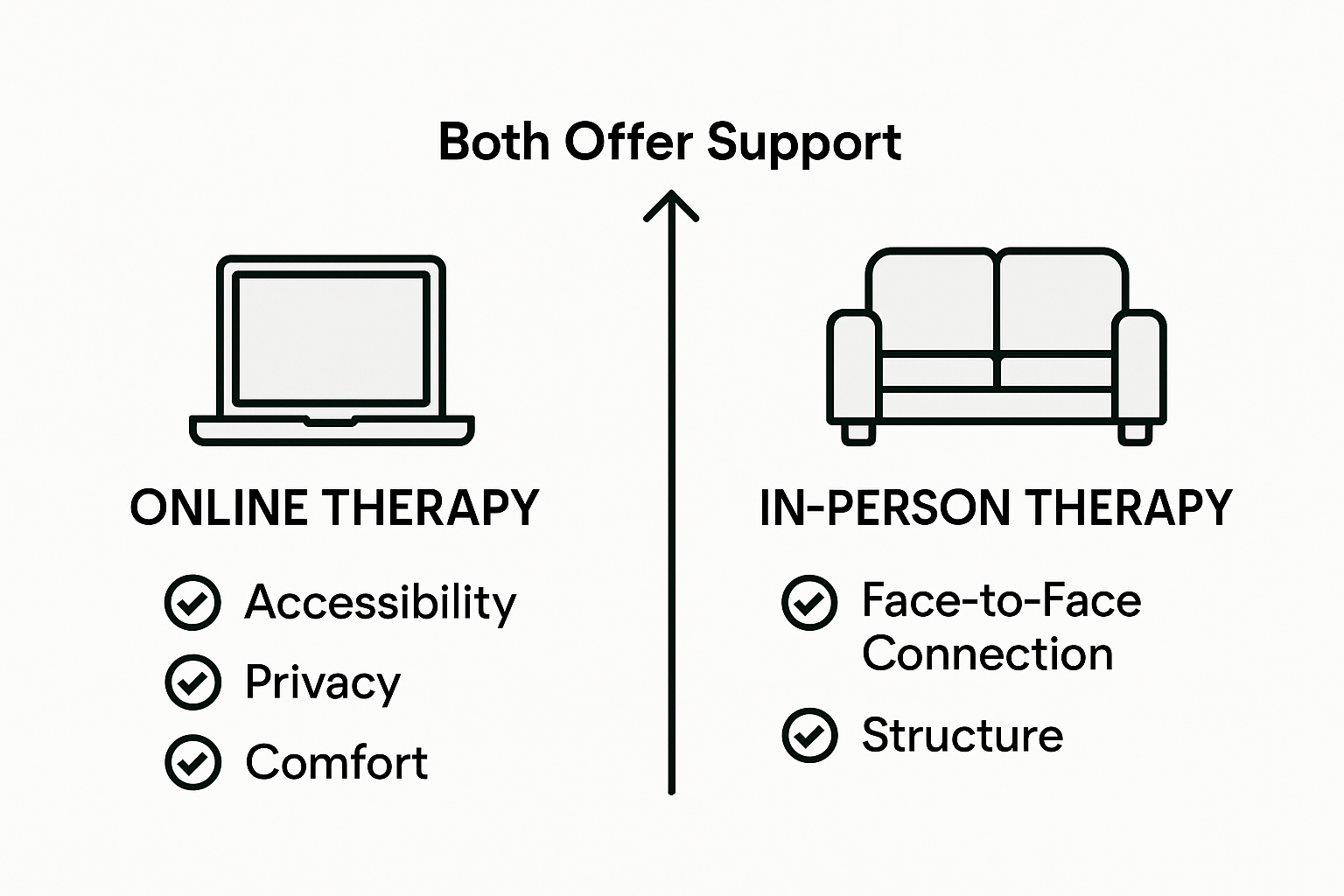
The primary distinctions between online and in-person therapy emerge through technological integration, communication dynamics, and contextual flexibility. Traditional therapy relies on physical presence, nonverbal cues, and immediate personal interaction, whereas online therapy leverages digital platforms to create innovative therapeutic experiences. Online sessions offer unprecedented convenience, allowing teenagers to access professional support from familiar environments, reducing transportation barriers, and accommodating busy academic and personal schedules. Conversely, in-person therapy provides direct physical interaction, potentially more nuanced emotional reading, and a structured therapeutic environment.
Key comparative aspects include:
- Communication modalities (digital vs. physical interaction)
- Accessibility and geographical constraints
- Comfort and privacy levels
- Technological skill requirements
- Session scheduling flexibility
- Nonverbal communication effectiveness
- Cost and time investment
- Emotional connection and rapport building
Research increasingly demonstrates that online therapy can be equally effective as traditional counseling, particularly for teenagers who are digital natives. Professional therapists now recognize that therapeutic outcomes depend more on the quality of therapeutic relationship, counselor expertise, and client engagement than the specific mode of delivery. By offering multiple engagement options, mental health professionals can create personalized approaches that meet individual teenage needs, preferences, and comfort levels, ultimately expanding access to critical psychological support.
Discover the Power of Online Therapy for Teens Today
Navigating the emotional challenges of adolescence can be overwhelming, especially when barriers like social anxiety and privacy concerns stand in the way of seeking help. This article highlights how online therapy provides a safe, flexible, and confidential space tailored to the unique needs of teenagers. If your teen feels hesitant about in-person sessions or struggles with scheduling, teletherapy offers a personalized solution that meets them where they are.
Explore how teen therapy at Dr. Stephen Oreski & Associates harnesses technology to connect adolescents with licensed therapists committed to fostering lasting positive change.

Take the next step to support your teen’s mental health with compassionate, expert care available both virtually and in-person. Visit https://bergencountytherapist.com to learn more and schedule a free consultation today. Empower your teen to build resilience and emotional well-being through professional therapy designed specifically for their generation.
Frequently Asked Questions
What is online therapy for teens?
Online therapy for teens is a digital approach to mental health counseling that allows adolescents to connect with licensed mental health professionals through secure platforms like video conferencing and messaging, providing accessible and confidential support.
How does teletherapy work for teenagers?
Teletherapy involves structured virtual counseling sessions where teens can discuss their challenges with therapists via secure digital platforms. It includes methods like video calls, messaging, and interactive tools tailored to the comfort of the adolescent.
What are the main benefits of online therapy for teenagers?
The main benefits include immediate access to therapists, reduced social anxiety, flexible scheduling, enhanced privacy, and the ability to communicate in a comfortable environment using familiar technology.
How do therapists ensure privacy and safety in online therapy for teens?
Therapists implement multiple safety protocols, including using secure video platforms with encryption, obtaining explicit consent, and educating teens about confidentiality and potential digital risks to ensure their safety during sessions.
Recommended
- Teen Therapy: Promoting Resilience and Growth – Dr. Stephen Oreski & Associates
- Role of Therapists in Adolescence: Complete Guide
- 7 Types of Teen Therapy Parents Need to Know About
- Teen Therapy Approaches for Mental Health Support – Dr. Stephen Oreski & Associates
- Understanding Weight Loss for Teens: Key Concepts Explained – LeanAndFit