

Struggling with anxiety, identity questions, or the weight of past trauma can leave you feeling isolated—especially when your journey includes living authentically as an LGBTQIA individual in Bergen County, New Jersey. Finding support that respects your unique experience matters. Professional counseling uses evidence-based, culturally sensitive practices that help people gain insight, heal emotionally, and uncover practical ways to move forward. This guide explains who benefits from counseling, how sessions work, and the diverse approaches available to support personal growth and recovery.
Table of Contents
- What Counseling Is and Who It Helps
- Types of Counseling and Therapy Approaches
- How Counseling Works and Its Key Benefits
- Common Misconceptions About Seeking Counseling
- Potential Risks and Costs of Counseling
- Alternatives and When to Consider Other Options
Key Takeaways
| Point | Details |
|---|---|
| Counseling is Professional Support | Counseling offers structured, evidence-based interventions for personal development, emotional resilience, and coping strategies. |
| Variety of Therapeutic Approaches | Different therapy modalities cater to individual psychological needs, with each method providing specific benefits for various challenges. |
| Understanding Counseling Misconceptions | Many misconceptions about counseling create barriers to seeking help; recognizing these can encourage proactive mental health support. |
| Exploring Alternatives | Alternative mental health options, such as online therapy and peer support, can provide flexible and effective pathways tailored to individual needs. |
What Counseling Is and Who It Helps
Counseling represents a professional therapeutic process designed to support individuals navigating complex emotional landscapes and personal challenges. Unlike casual conversations, counseling provides structured, evidence-based interventions that help people understand themselves, develop coping strategies, and create meaningful life changes.
Professional counseling serves diverse populations across different life stages and experiences. The role of counseling for teens demonstrates how targeted psychological support can address unique developmental challenges, while counseling for adults tackles more complex systemic and individual issues.
Counseling helps individuals facing various challenges, including:
- Mental health concerns like anxiety and depression
- Relationship and interpersonal conflicts
- Career and vocational transitions
- Trauma recovery and emotional healing
- Personal growth and self-understanding
- Life adjustment and stress management
Critically, counseling is not just for individuals experiencing severe psychological distress. It provides valuable support for anyone seeking personal development, emotional resilience, and improved life strategies. Professional counselors use culturally informed practices that respect individual experiences and promote holistic well-being.
Counseling is a collaborative journey of self-discovery, healing, and personal transformation.
Pro tip: Consider scheduling an initial consultation to understand how counseling can specifically address your unique personal needs and goals.
Types of Counseling and Therapy Approaches
Psychotherapy encompasses a diverse range of approaches, each designed to address unique psychological needs and personal challenges. Therapeutic modalities differ significantly in their fundamental philosophies, techniques, and strategies for supporting individual healing and growth.
The different types of psychotherapy offer specialized methods for addressing mental health concerns. These approaches range from introspective techniques that explore unconscious motivations to more action-oriented strategies focused on behavioral change.
Major therapeutic approaches include:
- Cognitive Behavioral Therapy (CBT): Focuses on identifying and changing negative thought patterns
- Psychodynamic Therapy: Explores unconscious processes and past experiences
- Humanistic Therapy: Emphasizes personal growth and self-actualization
- Dialectical Behavior Therapy (DBT): Helps manage intense emotions and improve relationships
- Narrative Therapy: Enables individuals to reframe personal stories and experiences
Each therapeutic approach offers unique benefits and is tailored to address specific psychological challenges. Professional counselors carefully select and adapt these methods to match individual client needs, ensuring a personalized and effective treatment strategy.
Here’s a summary comparing common therapeutic approaches:
| Approach | Focus Area | Typical Client Goal |
|---|---|---|
| Cognitive Behavioral | Challenging negative thoughts | Reduce anxiety and stress |
| Psychodynamic | Exploring past experiences | Understand root causes |
| Humanistic | Self-growth and awareness | Achieve personal fulfillment |
| Dialectical Behavior | Emotion regulation skills | Manage intense emotions |
| Narrative | Reframing personal stories | Develop new life perspectives |
Therapy is not a one-size-fits-all solution, but a collaborative journey of understanding and transformation.
Pro tip: Discuss multiple therapeutic approaches with your counselor to identify the most suitable strategy for your personal growth and healing.
How Counseling Works and Its Key Benefits
Counseling functions as a collaborative, structured process that empowers individuals to understand themselves, develop effective coping strategies, and create meaningful personal transformations. Therapeutic relationships provide a safe, confidential environment where clients can explore their emotions, thoughts, and behavioral patterns with professional guidance.

The science behind talk therapy reveals how professional counseling creates lasting psychological changes through strategic conversations and evidence-based interventions. By helping individuals recognize underlying psychological mechanisms, counselors enable clients to develop healthier thought patterns and more adaptive responses to life challenges.
Key benefits of counseling include:
- Enhanced self-awareness and emotional intelligence
- Improved communication and relationship skills
- Effective stress management techniques
- Development of healthy coping mechanisms
- Reduction of anxiety and depressive symptoms
- Increased personal resilience and emotional regulation
Counseling is not about receiving instant solutions but engaging in a transformative process of self-discovery. Professional counselors work collaboratively with clients, tailoring therapeutic approaches to individual needs and helping them develop personalized strategies for psychological growth and healing.
Healing is not about finding a quick fix, but about understanding yourself and creating sustainable change.
Pro tip: Approach counseling with openness and patience, understanding that meaningful personal growth is a gradual, collaborative journey.
Common Misconceptions About Seeking Counseling
People often avoid counseling due to deeply ingrained psychological misconceptions that prevent them from seeking valuable mental health support. These myths create unnecessary barriers, stopping individuals from accessing resources that could significantly improve their emotional well-being and personal growth.
The relationship counseling guide highlights how misunderstandings about therapy can prevent people from addressing critical life challenges. Understanding and dismantling these misconceptions is crucial for creating a more supportive approach to mental health.
Common misconceptions about counseling include:
- Counseling is only for people with severe mental health problems
- Seeking help is a sign of weakness
- All counselors use the same approach
- Therapy is too expensive or time-consuming
- Talking about problems won’t actually solve anything
- Only individuals with traumatic experiences need counseling
In reality, counseling is a proactive strategy for personal development, not just a reactive solution to crisis. Professional counselors work collaboratively with clients, offering personalized strategies that empower individuals to navigate life’s complexities, develop resilience, and achieve meaningful personal transformation.
Counseling is not about fixing something broken, but about strengthening your capacity to live a fulfilling life.
Pro tip: Challenge your preconceived notions about counseling by scheduling a single introductory consultation to experience the process firsthand.
Potential Risks and Costs of Counseling
While counseling offers tremendous psychological benefits, potential clients should understand the financial and emotional considerations that accompany therapeutic services. Navigating these potential risks requires careful research and realistic expectations about the counseling process and its potential challenges.
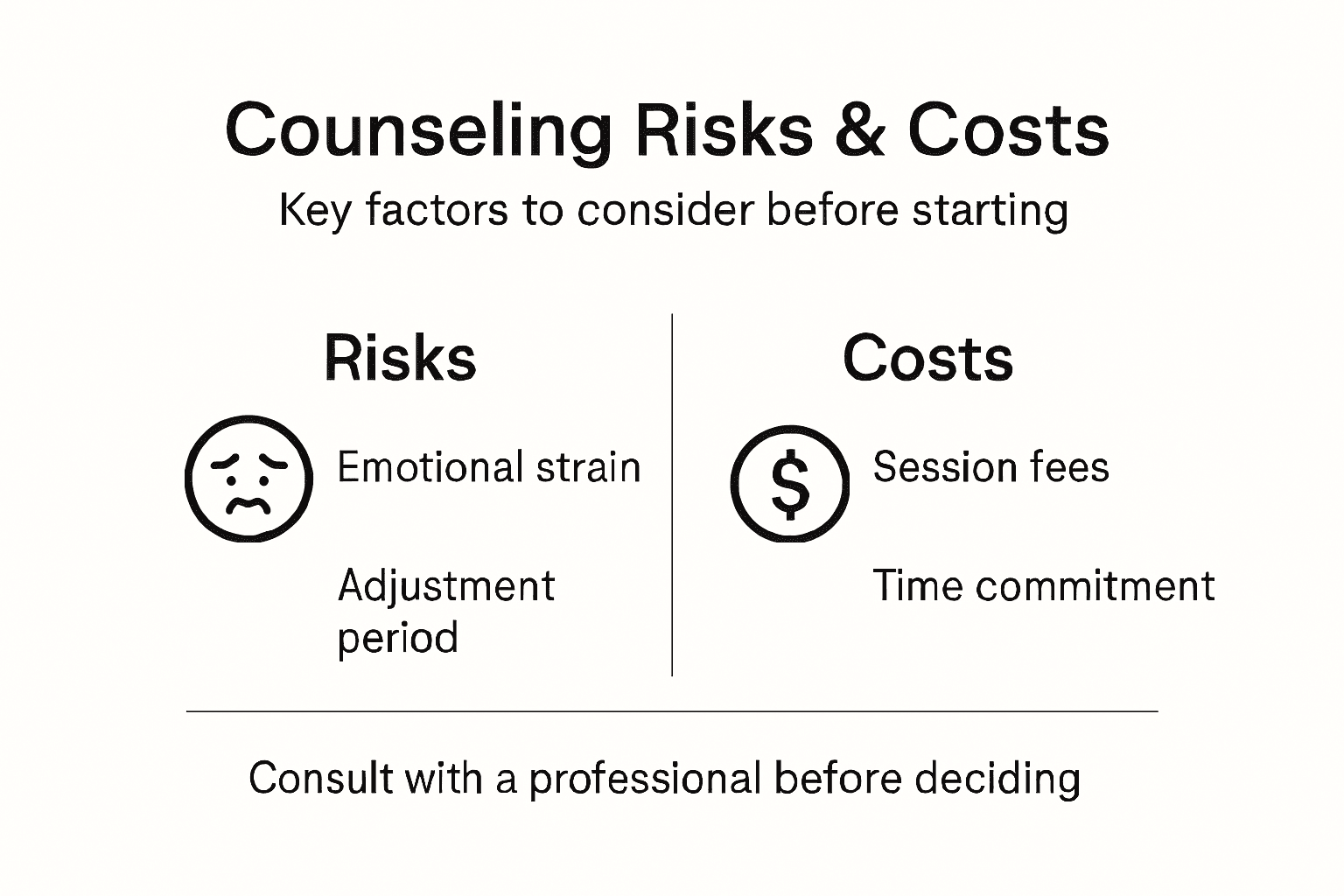
The impact of finances on mental health underscores the importance of understanding the economic dimensions of seeking professional psychological support. Transparent conversations about costs and potential risks can help individuals make informed decisions about their mental health journey.
Potential risks and costs of counseling include:
- Financial expenses associated with regular therapy sessions
- Emotional vulnerability during therapeutic conversations
- Potential temporary emotional discomfort when confronting difficult experiences
- Time commitment required for meaningful therapeutic progress
- Limited insurance coverage for mental health services
- Potential variability in therapist compatibility and approach
Understanding these risks does not mean avoiding counseling, but approaching it with informed preparedness. Professional counselors are committed to creating safe, supportive environments that minimize potential negative experiences and maximize personal growth opportunities.
Acknowledging potential risks is a sign of strength, not a reason to avoid seeking help.
Pro tip: Request a preliminary consultation to discuss potential risks, costs, and therapeutic approaches before committing to a long-term counseling relationship.
Alternatives and When to Consider Other Options
Mental health support extends beyond traditional counseling, offering diverse approaches tailored to individual needs and preferences. Alternative support systems provide flexible options for individuals seeking psychological assistance through different modalities and engagement styles.
The different types of psychotherapy demonstrate the range of interventions available, helping individuals choose the most appropriate mental health strategy. Understanding these alternatives empowers people to find the most effective path for their personal growth and emotional well-being.
Alternative mental health support options include:
- Online therapy and telehealth counseling platforms
- Support groups and peer counseling networks
- Self-help resources and mental health applications
- Workplace employee assistance programs
- Holistic wellness approaches like meditation and mindfulness training
- Community mental health workshops and educational programs
- Short-term coaching and solution-focused interventions
Each alternative offers unique benefits and may be more suitable depending on individual circumstances, accessibility, and personal comfort levels. Professional mental health experts recommend exploring multiple options to find the most effective approach for individual needs.
The following table highlights counseling and alternative support options:
| Support Type | Interaction Style | Best For |
|---|---|---|
| In-person Counseling | Face-to-face sessions | Complex or deep-seated concerns |
| Online Therapy | Virtual or phone chats | Remote or busy individuals |
| Peer Support Groups | Group discussions | Shared experiences and connection |
| Self-help Resources | Independent learning | Self-motivated improvement |
| Workplace Programs | Organization-based aid | Employees needing quick support |
Mental health support is not one-size-fits-all, but a personalized journey of healing and growth.
Pro tip: Consult with a mental health professional to evaluate which alternative support option best matches your specific emotional needs and lifestyle constraints.
Discover Your Path to Meaningful Change with Expert Counseling
If you are feeling overwhelmed by emotional challenges or seeking personal growth through proven therapeutic approaches discussed in the article, you are not alone. Many individuals face anxiety, relationship difficulties, or the need for deeper self-understanding and healing. At Bergen County Therapist, we believe counseling is a collaborative journey that empowers you to regain control over your life and build emotional resilience.
Take the next step toward a brighter future by exploring our tailored services, including Family Therapy Archives – Dr. Stephen Oreski & Associates or browse insightful resources within our General Archives – Dr. Stephen Oreski & Associates to deepen your understanding. Schedule a free consultation today and connect with compassionate professionals dedicated to guiding you through personalized counseling solutions right here at Bergen County Therapist. Your journey toward meaningful change starts now.
Frequently Asked Questions
What is the purpose of seeking counseling?
Counseling aims to support individuals in navigating emotional challenges, developing coping strategies, and fostering personal growth and transformation through structured therapeutic processes.
Who can benefit from counseling?
Counseling is beneficial for a wide range of individuals, including those facing mental health concerns, relationship issues, career transitions, trauma recovery, and anyone seeking personal development and emotional well-being.
What types of approaches are used in counseling?
Counseling utilizes various therapeutic modalities, including Cognitive Behavioral Therapy (CBT), Psychodynamic Therapy, Humanistic Therapy, and Dialectical Behavior Therapy (DBT), among others, each tailored to meet individual needs.
What should I expect during my first counseling session?
In your first session, expect to discuss your reasons for seeking help, your background, and any specific challenges you’re facing, all within a safe and confidential environment. The counselor will outline the process and determine the best approach for your needs.
Recommended
- How Counseling Can Help – Dr. Stephen Oreski & Associates
- 7 Key Benefits of Counseling for Mental Health – Dr. Stephen Oreski & Associates
- Marriage Counseling for Stronger Relationships – Dr. Stephen Oreski & Associates
- 3 Ways Individual Counseling Can Help Your Marriage – Dr. Stephen Oreski & Associates
- Graceland Hospice Care | Compassionate End-of-Life Care